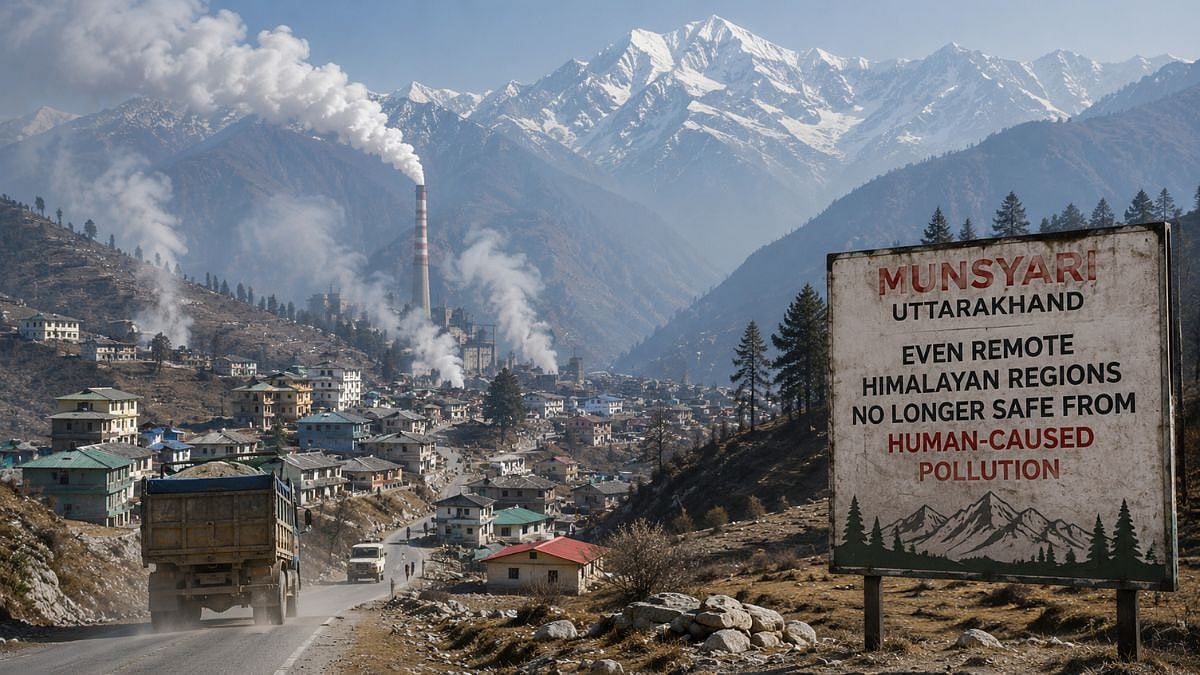
Even the most remote parts of the Himalayas are no longer untouched by human-caused pollution, according to a new study by researchers from the Aryabhatta Research Institute of Observational Sciences (ARIES).
The study found measurable levels of air pollutants in Munsyari, a high-altitude tourist destination in Uttarakhand, highlighting how pollution is steadily reaching fragile mountain ecosystems that were once considered relatively pristine.
The findings raise concerns about the long-term impact of human activity on both environmental and public health in the Himalayan region, TNIE reports.
Pollution reaches the high Himalayas
ARIES, an autonomous institute under the Department of Science and Technology (DST), conducted year-long observations between 2022 and 2023 to measure non-methane hydrocarbons (NMHCs) in Munsyari.
The researchers observed clear seasonal variations in pollution levels. NMHC concentrations remained lower during winter and the monsoon season but increased significantly during spring and autumn. These compounds are mainly released through vehicle exhaust, fossil fuel extraction and industrial solvents.
The study noted that NMHCs play an important role in the formation of ground-level ozone and toxic secondary aerosols, both of which can affect climate and human health.
Warning signs for fragile ecosystems
According to the study, fuel use, including LPG and diesel, vehicular emissions and local construction activities emerged as the dominant sources affecting air quality in the region.
Researchers also found that aromatic hydrocarbons such as benzene and xylene contributed significantly to the formation of secondary pollutants like ozone in the lower atmosphere.
A comparison with other locations showed that NMHC levels in Munsyari were higher than those recorded in Nainital, another high-altitude site. However, the levels remained lower than those reported in urban centres such as Haldwani and Delhi.
While the report said immediate health risks remain limited, it warned that prolonged exposure to benzene could increase cancer risks beyond expected safety thresholds.
This finding is particularly significant because it suggests that pollution is not only spreading geographically but could also pose long-term health challenges for communities living in sensitive mountain regions.
Call for continuous monitoring
The researchers stressed the need for continuous monitoring and sustained mitigation efforts. In a statement, they said the findings demonstrate that pollution is worsening even in remote Himalayan areas and underscore the importance of targeted measures to protect these environmentally sensitive regions.
Also Watch:
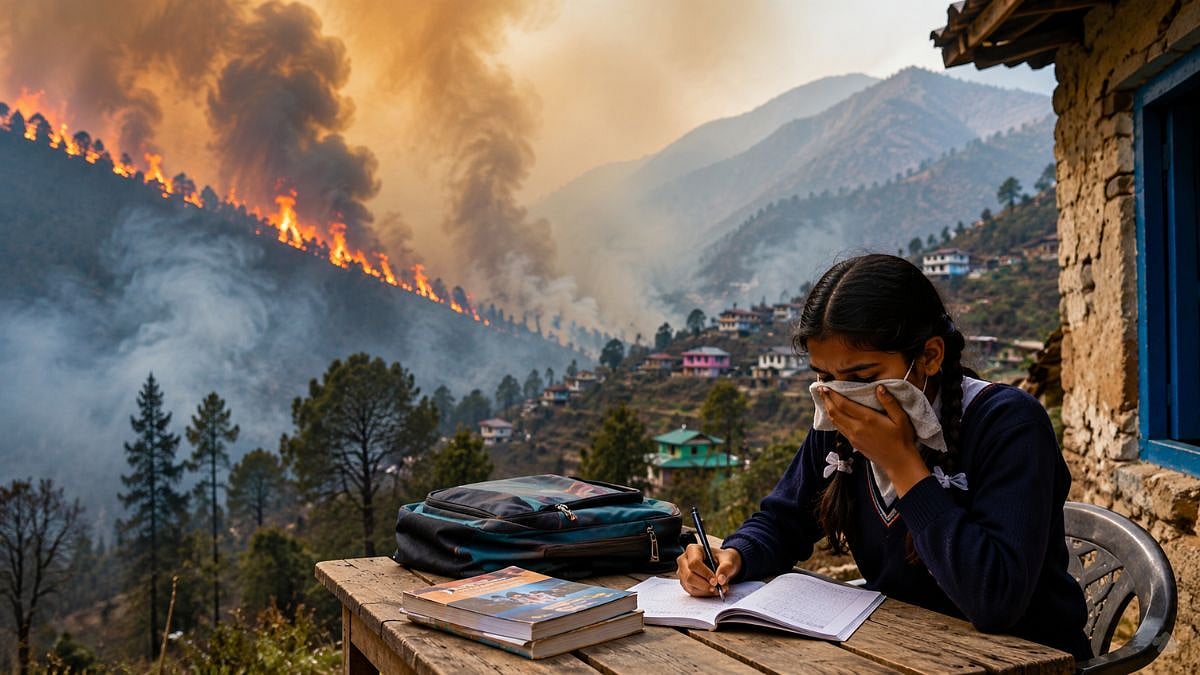
The study serves as a reminder that no region is completely insulated from the effects of human activity. As development, tourism and fuel consumption continue to expand, the challenge of preserving the ecological health of the Himalayas is likely to become increasingly important.

