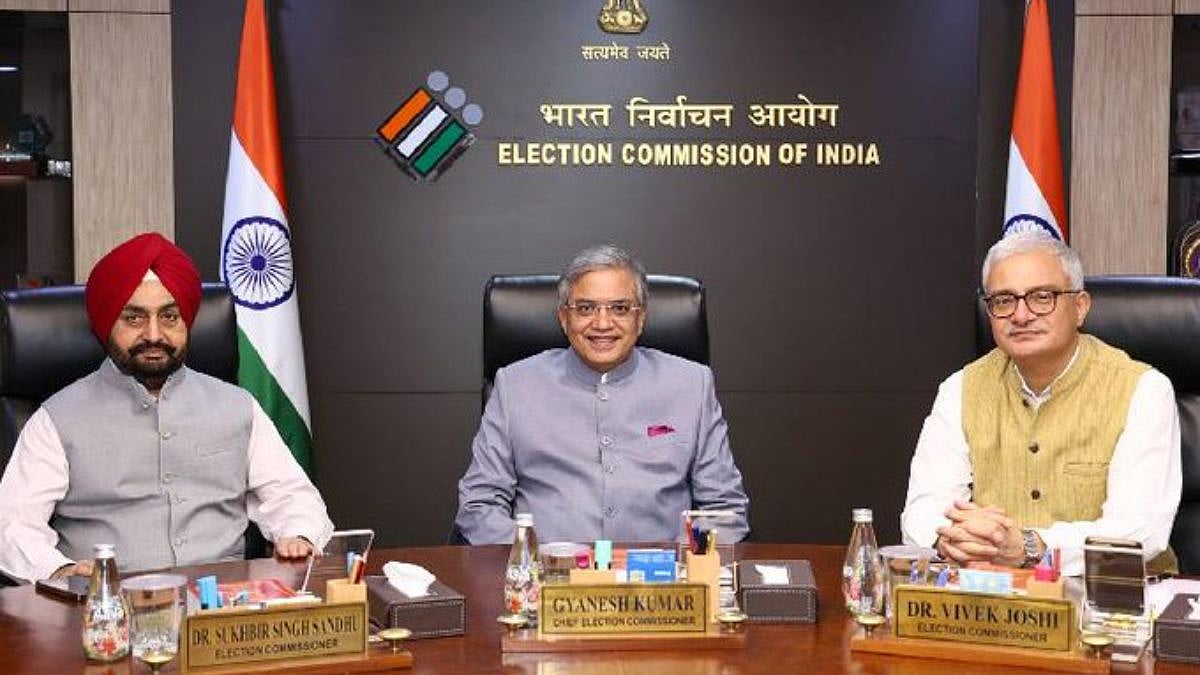
New Delhi: The Election Commission of India on Thursday announced Phase III of the Special Intensive Revision (SIR) of electoral rolls across 16 states and three Union Territories, covering nearly the entire country in what is the most expansive phase of the exercise yet
The Commission said the schedule has been fixed keeping in view the common field machinery currently engaged in the ongoing Census house-listing exercise. Phase III will cover the entire country except Himachal Pradesh, Jammu & Kashmir, and Ladakh, for which the schedule will be announced separately after Phase II is completed there and weather conditions in snow-bound upper reaches are assessed.
The first two phases of SIR covered 13 states and UTs, enumerating nearly 59 crore electors with the help of 6.3 lakh BLOs and 9.2 lakh BLAs. Chief Election Commissioner Gyanesh Kumar appealed to all electors to participate enthusiastically and fill their enumeration forms. "SIR is being conducted with the objective to ensure that only eligible voters are included in the electoral roll and no ineligible names are included," he said.
Phase I was conducted in Bihar from June to September 2025 ahead of the November Assembly polls. It achieved 98 per cent field coverage, identified 20 lakh deceased voters, flagged 28 lakh permanently migrated electors, and detected 7 lakh duplicate registrations — resulting in the deletion of 47 lakh voters from the final roll.
The Opposition charged that the exercise was being used to target its supporters and benefit the National Democratic Alliance. Congress leader Rahul Gandhi launched a state-wide "Voter Adhikar Yatra" over alleged vote deletions.
Phase II ran across 12 states and UTs from November 2025 to February 2026, covering 51 crore voters and forming the basis for the recent Assembly elections in West Bengal, Tamil Nadu, Kerala, Assam, and Puducherry. Both the Trinamool Congress in West Bengal and the DMK in Tamil Nadu — ousted from power in those polls — alleged political bias in the exercise. In West Bengal alone, nearly 27 lakh votes were deleted, triggering fierce pushback from the TMC and multiple legal challenges that reached the Supreme Court.
The ECI emphasised that the exercise is participatory and involves all stakeholders, including electors, political parties and election officials.
It also urged political parties to appoint BLAs for each polling booth to ensure full participation and transparency in the process.
"ECI requests all political parties to appoint BLAs for each Polling Booth, in order to ensure full participation of political parties so that SIR is conducted with complete transparency and full participation of political parties," it said.
The Commission further said that in the earlier two phases of SIR, covering 13 States and UTs, over 59 crore electors were covered with the participation of more than 6.3 lakh BLOs and 9.2 lakh BLAs.
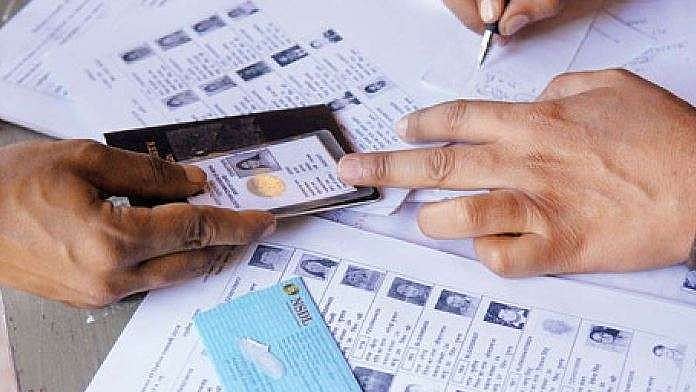
The Special Intensive Revision (SIR) schedule has been outlined for multiple States and Union Territories with clearly defined timelines for each stage of the electoral roll process.
For Odisha, Mizoram, Sikkim and Manipur, the qualifying date is July 1, 2026. The preparation, training and printing phase will run from May 20, 2026, to May 29, 2026, followed by house-to-house visits by Booth Level Officers (BLOs) from May 30, 2026, to June 28, 2026. Rationalisation of polling stations will be completed by June 28, 2026. The draft electoral roll will be published on July 5, 2026, with the period for filing claims and objections from July 5, 2026, to August 4, 2026. The notice phase and disposal of claims and objections will continue from July 5, 2026, to September 2, 2026, and the final electoral roll will be published on September 6, 2026.
For Dadra and Nagar Haveli and Daman and Diu (DNH & DD), the qualifying date is July 1, 2026. Preparation, training and printing will take place from May 25, 2026, to June 3, 2026, while house-to-house verification by BLOs will be conducted from June 4, 2026, to July 3, 2026. Rationalisation of polling stations will be completed by July 3, 2026. The draft roll will be published on July 10, 2026, with claims and objections accepted from July 10, 2026, to August 9, 2026. The notice phase and disposal of claims will conclude on September 7, 2026, and the final electoral roll will be published on September 11, 2026.
For Uttarakhand, the qualifying date is July 1, 2026. The preparation phase will run from May 29, 2026, to June 7, 2026, followed by BLO house-to-house visits from June 8, 2026, to July 7, 2026. Rationalisation of polling stations will be completed by July 7, 2026. The draft roll will be published on July 14, 2026, and claims and objections will be received from July 14, 2026, to August 13, 2026. The notice phase and disposal of claims will continue from July 10, 2026, to September 11, 2026, with the final electoral roll scheduled for publication on September 15, 2026.
For Andhra Pradesh, Arunachal Pradesh, Haryana and Chandigarh, the qualifying date is July 1, 2026. Preparation, training and printing will be carried out from June 5, 2026, to June 14, 2026, while BLO visits will take place from June 15, 2026, to July 14, 2026. Rationalisation of polling stations will be completed by July 14, 2026. The draft roll will be published on July 21, 2026, with claims and objections open from July 21, 2026, to August 20, 2026. The notice phase and disposal process will run from July 21, 2026, to September 18, 2026, and the final electoral roll will be published on September 22, 2026.
For Telangana and Punjab, the qualifying date is October 1, 2026. The preparation phase will be conducted from June 15, 2026, to June 24, 2026, followed by BLO visits from June 25, 2026, to July 24, 2026. Rationalisation will be completed by July 24, 2026. The draft roll will be published on July 31, 2026, with claims and objections open from July 31, 2026, to August 30, 2026. The notice phase and disposal will continue from July 31, 2026, to September 28, 2026, and the final roll will be published on October 1, 2026.
For Karnataka, Meghalaya, Maharashtra, Jharkhand and Delhi, the qualifying date is October 1, 2026. Preparation, training and printing will be held from June 20, 2026, to June 29, 2026, followed by BLO visits from June 30, 2026, to July 29, 2026. Rationalisation of polling stations will be completed by July 29, 2026. The draft roll will be published on August 5, 2026, with claims and objections from August 5, 2026, to September 4, 2026. The notice phase and disposal will conclude on October 3, 2026, and the final electoral roll will be published on October 7, 2026.
For Nagaland, the qualifying date is October 1, 2026. Preparation will take place from August 5, 2026, to August 14, 2026, followed by BLO visits from August 16, 2026, to September 14, 2026. Rationalisation will be completed by September 14, 2026. The draft roll will be published on September 20, 2026, with claims and objections from September 20, 2026, to October 20, 2026. The notice phase and disposal will conclude on November 18, 2026, and the final electoral roll will be published on November 22, 2026.
For Tripura, the qualifying date is October 1, 2026. The preparation phase will run from September 5, 2026, to September 14, 2026, followed by BLO visits from September 15, 2026, to October 14, 2026. Rationalisation will be completed by October 14, 2026. The draft electoral roll will be published on October 21, 2026, with claims and objections from October 21, 2026, to November 20, 2026. The notice phase and disposal will conclude on December 19, 2026, and the final electoral roll will be published on December 23, 2026.
(Except for the headline, this article has not been edited by FPJ's editorial team and is auto-generated from an agency feed.)

