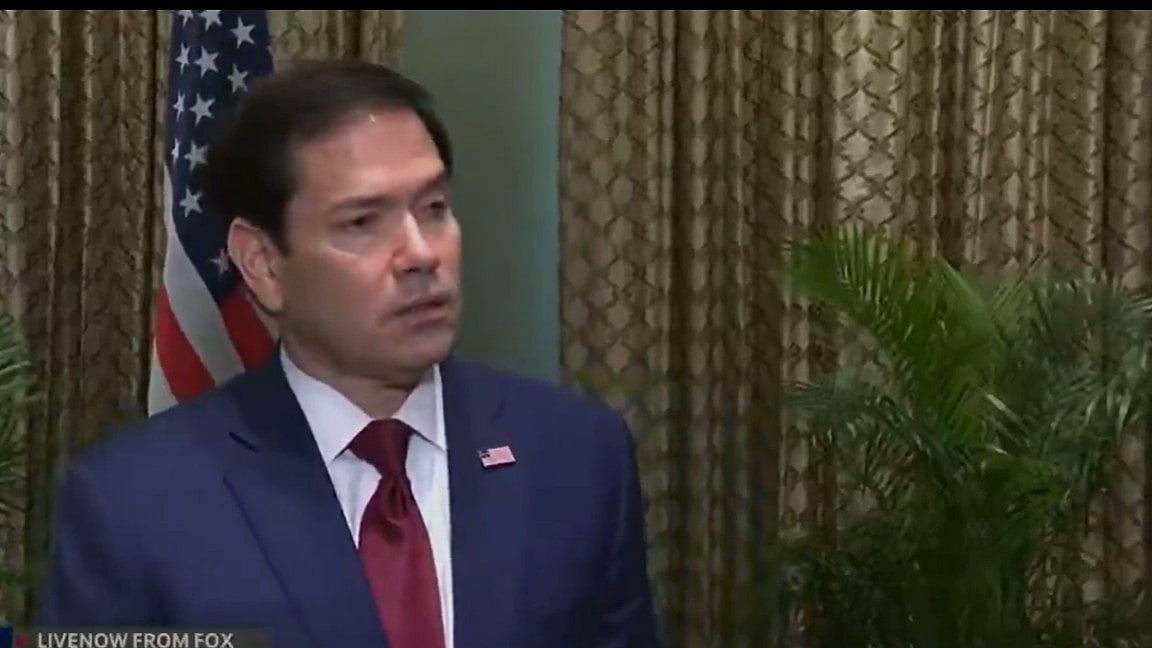
US Secretary of State Marco Rubio on Wednesday, October 21, declined to comment on student and opposition protests in India, describing them as a “domestic political matter” and saying Washington would not interfere in the country's internal politics. During his ongoing India visit, Rubio also took a swipe at United Nations experts who had criticised the handling of protests, questioning the term “UN experts” and calling it an “oxymoron”.
Responding to a question on the protests and the UN experts' criticism, Rubio said India was a democracy where people could express their views and participate in political debate. He also pointed out that protests take place regularly in the United States.
“It's a domestic political matter. I mean, I am not going to get involved in their politics. This is a democracy. They have elections here,” Rubio said, adding that Washington would not comment on India's internal political matters.
Rubio Takes Swipe At UN Experts Over Criticism Of India
Rubio's remarks came in response to questions about the UN experts' concerns over the handling of student and opposition demonstrations in India. Before addressing the protests, he made a sarcastic remark about the experts, saying, “My favourite. The UN experts, or is that an oxymoron?”
He reiterated that the US would not take a position on India's domestic political disputes, saying such matters were for the Indian people to decide.
Rubio also drew a distinction between peaceful demonstrations and riots involving vandalism, arson and destruction of property, while describing the ability to express differing political opinions as an important feature of democratic societies.
What Are The Protests About?
The protests have centred on concerns over the Election Commission of India's Special Intensive Revision (SIR) of electoral rolls, with opposition parties and student activists alleging that the exercise could disenfranchise eligible voters. The Election Commission and the government have defended the revision as an exercise to update voter lists.
The Cockroach Janata Party (CJP), a youth-led movement, has been among the groups mobilising against the revision and demanding accountability from the Election Commission. Its demands have included the resignation of Chief Election Commissioner Gyanesh Kumar and greater transparency in the voter-roll revision process.
The movement initially gained traction around student concerns, including examination-related issues and youth unemployment, before its focus expanded to electoral reforms and accountability.
CJP Protests Face Police Action In Delhi
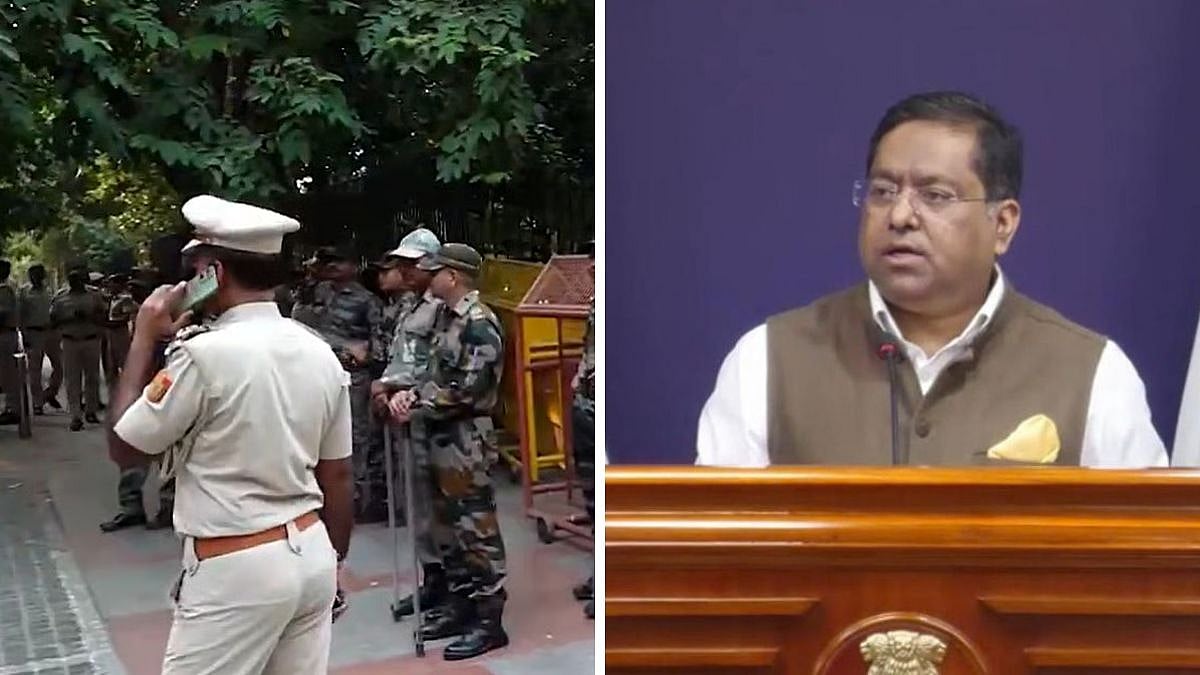
In October, CJP demonstrations in Delhi faced restrictions and police action, with protesters attempting to gather at Jantar Mantar and other locations. Police detained demonstrators during attempts to hold protests, while restrictions on the designated protest site became a point of contention.
CJP leaders Saurav Das and Ashutosh Ranka were remanded to judicial custody after a protest at Jantar Mantar, which had been removed from the list of designated protest sites. The leaders challenged the extension of their custody in the Delhi High Court, arguing that it violated their personal liberty.
India Rejects UN Experts' Concerns
The UN experts had raised concerns over the alleged use of excessive force against protesters and restrictions on peaceful assembly. India has rejected the criticism, arguing that allegations should be supported by evidence and should not be used to exert political pressure on the country.
Rubio's comments place the US position at a distance from the dispute, with the secretary of state declining to weigh in on the allegations and stressing that India's political issues should be resolved by its own people.

