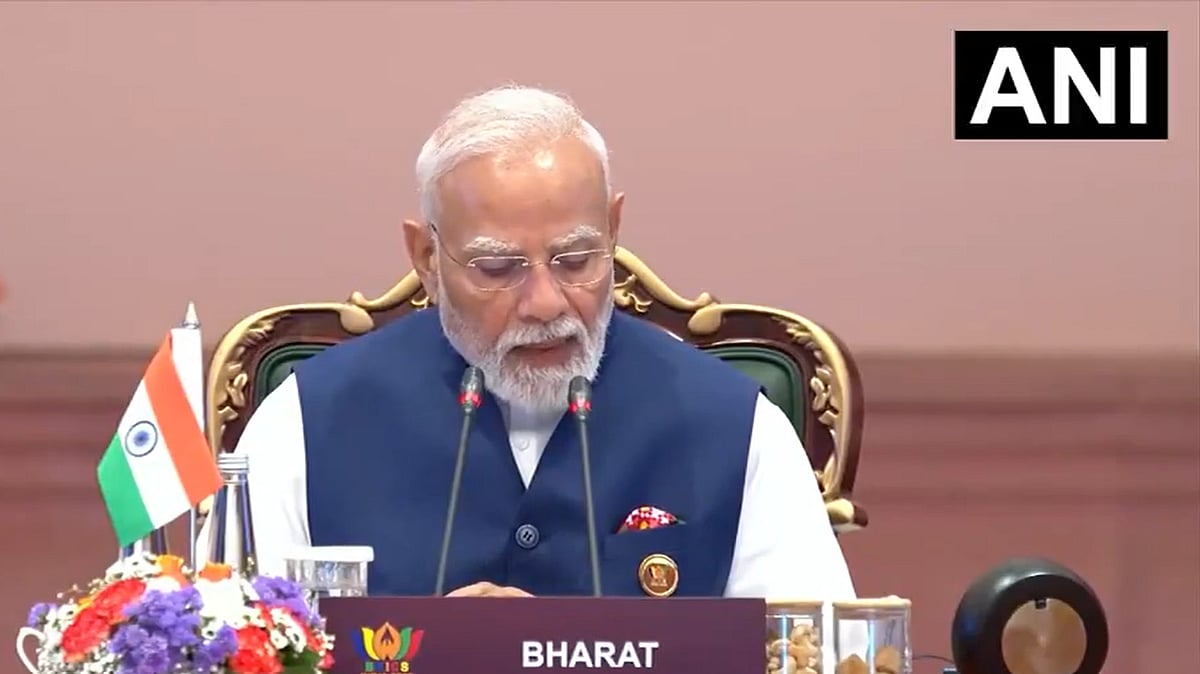
New Delhi: Prime Minister Narendra Modi’s closing remarks at the 18th BRICS Summit on Sunday centred on one key message: BRICS must turn cooperation into practical solutions while building resilience against emerging global challenges. Addressing leaders at Bharat Mandapam, Modi warned against the “weaponisation of technology and critical minerals” and stressed the need for inclusive growth, stronger supply chains and greater focus on the Global South.
‘Weaponisation’ Of Technology, Critical Minerals A Concern
Modi cautioned that the growing use of technology and strategic resources as tools of geopolitical pressure could undermine collective progress.
“The weaponisation of technology and critical minerals can hinder our shared progress. Therefore, we have emphasised inclusivity in the adoption of technology,” he said.
The remark came in the presence of Chinese President Xi Jinping, as BRICS leaders discussed ways to make the grouping more resilient amid geopolitical tensions and disruptions to global supply chains. Modi did not name any country.
From Vision To ‘Win-Win Collaboration’
Reflecting on India’s BRICS presidency, Modi said New Delhi had focused on four pillars resilience, innovation, cooperation and sustainability.
He said the support of member countries had helped transform the grouping’s shared vision into a “win-win collaboration”, with BRICS increasingly becoming a platform where the concerns and experiences of the Global South are heard and reflected in solutions.
Modi stressed that initiatives developed within BRICS should also remain accessible to other developing countries.
Building Resilience Against Future Crises
The Prime Minister highlighted the need for BRICS to prepare for crises that increasingly cross national boundaries, including geopolitical conflicts, pandemics, climate disasters and supply-chain disruptions.
Among the initiatives highlighted were an integrated BRICS early-warning system for infectious diseases, guidelines for using early-warning data in disaster management and the BRICS Logistics Supply Chain Cooperation Framework.
The logistics framework, Modi said, would help make supply chains more reliable and resilient.
Startups, AI And Digital Agriculture
On innovation, Modi highlighted the BRICS Incubator Network, which will connect startups and incubators across member countries, as well as India's proposal for a BRICS Startup Innovation Fund to support innovative and scalable solutions.
He also highlighted the BRICS Network on Digital Agriculture, saying AI, geospatial technology and digital public infrastructure could be aligned with the practical needs of farmers.
Focus On People, Not Just Governments
Modi said BRICS cooperation should extend beyond governments to entrepreneurs, farmers, researchers, women, young people and ordinary citizens.
Initiatives such as BRICS Connect, the BRICS MSME Cooperation Portal and the BRICS Urban Mobility Hub were highlighted as efforts aimed at improving skills, employment, access to markets and urban cooperation.
Sustainability As A Development Priority
On sustainability, Modi argued that economic development and environmental protection should not be treated as competing priorities.
He highlighted initiatives involving smart grids and energy storage, agroecology and regenerative agriculture, as well as community-based climate adaptation that incorporates indigenous knowledge.
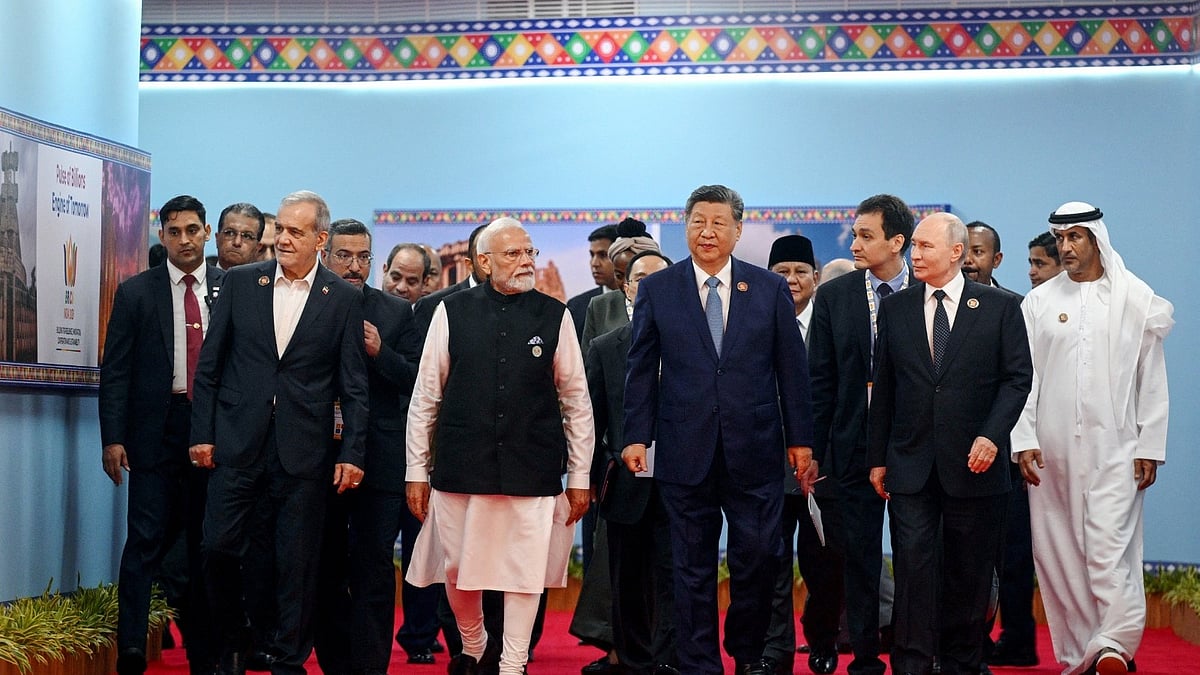
Modi’s Closing Message To BRICS
The broader takeaway from Modi’s closing remarks was that BRICS should move beyond declarations and translate cooperation into practical, inclusive solutions.
With resilience, innovation, cooperation and sustainability forming the core of India's BRICS presidency, Modi positioned the grouping as a platform for the Global South to shape solutions to shared challenges — from technology and critical minerals to climate change, health and supply-chain security.

