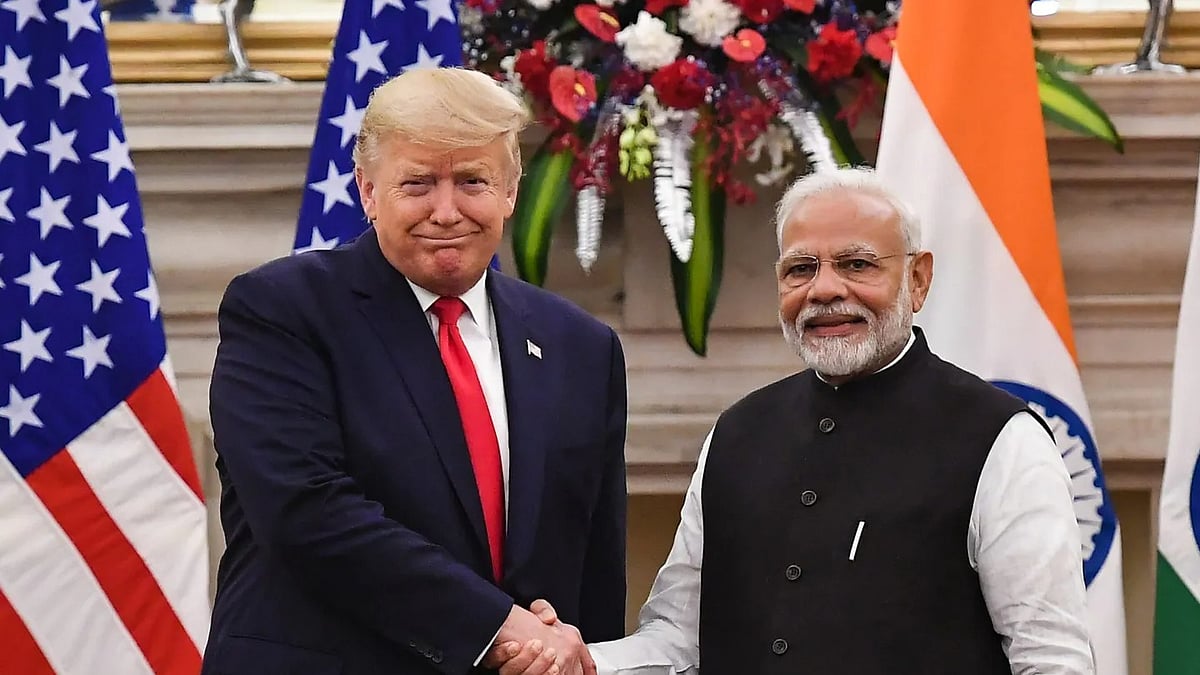
Amid a diplomatic row sparked by US President Donald Trump amplifying derogatory remarks about India and China, Chinese Embassy spokesperson in India Yu Jing issued a sharp response, stressing that bilateral ties cannot be shaken by rhetoric.
‘Words Fade, Real Partnerships Don’t’: Yu Jing’s Message
Reacting to the controversy, Yu Jing said, “Viral words fade. Real partnerships don’t. Bilateral ties are built on respect, not rhetoric.”
Her remarks underscored Beijing’s attempt to project stability in ties despite the diplomatic flare-up.
Trigger: Trump Reposts Controversial Clip
The controversy began after Trump reposted a video clip on Truth Social featuring conservative commentator Michael Savage.
In the video, Savage criticised US birthright citizenship and used derogatory language, referring to immigrants from countries like India and China as coming from “hellholes” and describing them as “gangsters with laptops.” Trump’s repost was widely seen as an endorsement of the remarks.
India Calls Remarks ‘Inappropriate’
India reacted strongly, with the Ministry of External Affairs calling the comments “uninformed, inappropriate, and in poor taste.”
The MEA emphasised that such remarks do not reflect the strength of India-US ties, which are built on mutual respect and shared interests.
US Issues Clarification Amid Backlash
The US Embassy in New Delhi issued a clarification, stating that Trump considers India a “great country” and shares a strong rapport with Prime Minister Narendra Modi.
The statement sought to contain diplomatic fallout following widespread criticism.
Iran Mocks Trump With ‘Cultural Detox’ Jibe
Adding another layer to the controversy, Iran’s Consulate in Mumbai took a swipe at Trump, suggesting he visit India for a “cultural detox.”
In a post on X, the consulate highlighted India’s cultural richness and quipped, “Kabhi India aa ke dekho, phir bolna.”
Diplomatic Tensions, But Measured Responses
While the remarks triggered sharp reactions across countries, China’s response stood out for its calibrated tone, focusing on long-term partnerships rather than escalating rhetoric.
Yu Jing’s statement reflects a broader diplomatic approach aimed at insulating bilateral ties from political controversy.

