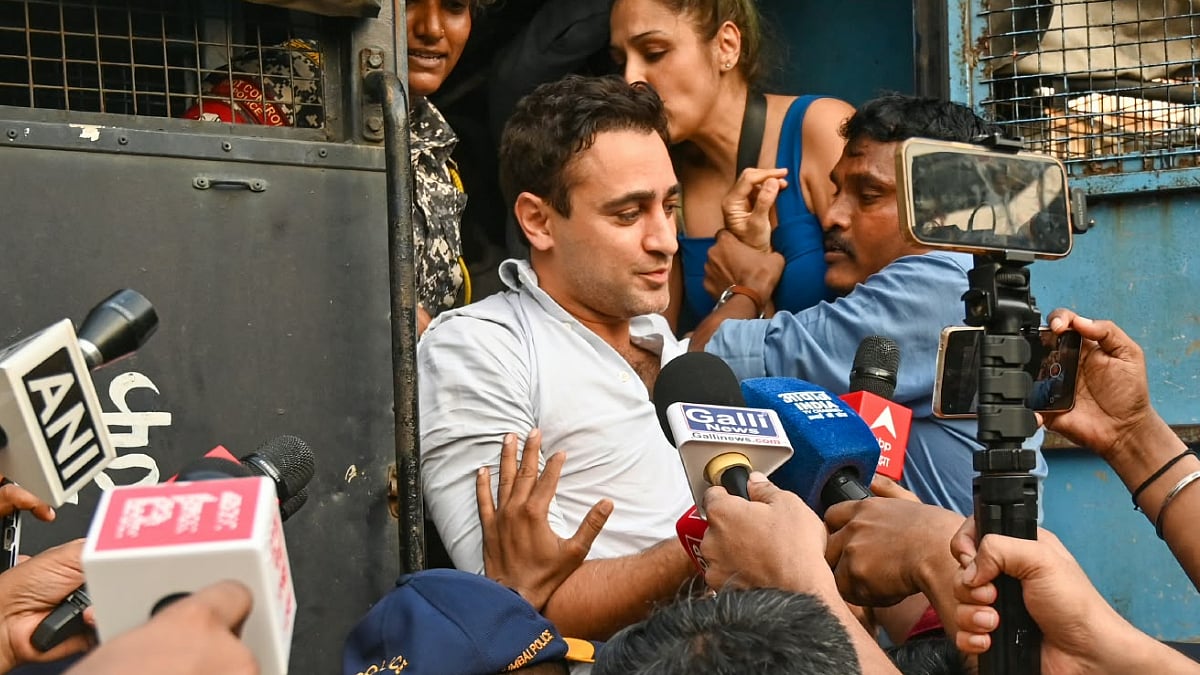
Actor Imran Khan has reportedly been asked to leave India by October 28 after participating in a Mumbai protest demanding the resignation of Chief Election Commissioner Gyanesh Kumar. The development has raised questions about the rights and restrictions governing Overseas Citizen of India (OCI) cardholders, particularly their participation in political demonstrations.
The Foreigners Regional Registration Office (FRRO) in Mumbai reportedly issued the notice following a complaint by Bharatiya Janata Party (BJP) leader Kirit Somaiya, who questioned Khan's participation despite his alleged American citizenship. The actor was among hundreds of people detained during the demonstration at August Kranti Maidan on October 10.
What Is An OCI Card?
Introduced in 2005, the Overseas Citizenship of India scheme allows eligible foreign citizens of Indian origin to enjoy certain privileges in India. However, OCI status does not amount to dual citizenship. Cardholders remain foreign nationals and hold passports issued by other countries.
According to the Ministry of External Affairs (MEA), OCI cardholders generally receive a lifelong, multiple-entry visa and are exempt from FRRO registration, subject to applicable rules. They also enjoy specified benefits comparable to those available to Non-Resident Indians (NRIs) in certain economic, financial and educational matters.
Can OCI Cardholders Participate In Political Protests?
Article 19 of the Indian Constitution guarantees citizens the right to freedom of speech and expression and to assemble peacefully without arms, subject to reasonable restrictions. These specific fundamental rights are not available to foreign nationals on the same basis as Indian citizens.
However, this does not automatically mean that every instance of an OCI cardholder attending a public protest is illegal. The legality depends on applicable laws, visa conditions, the circumstances of the demonstration and any restrictions imposed by the authorities.
Can The Government Cancel An OCI Card?
Yes. Under the Citizenship Act, 1955, the government can cancel OCI registration on specified grounds, including obtaining registration through fraud, false representation or concealment of material information.
Other grounds include certain conduct against India's constitutional framework, specified wartime conduct and a qualifying prison sentence imposed within five years of registration. Cancellation may also be considered in the interests of India's sovereignty and integrity, security, friendly relations with foreign countries or the general public.
What Rights Do OCI Cardholders Not Have?
OCI cardholders cannot vote in Indian elections, contest parliamentary or state legislative elections, or hold certain constitutional positions, including those of the President and Vice-President. They are generally ineligible for government employment, subject to exceptions, and face restrictions on acquiring agricultural land, farmhouses and plantation properties.
The reported notice against Khan has renewed scrutiny of the distinction between OCI privileges and Indian citizenship, particularly regarding political participation and the government's powers over foreign nationals.

