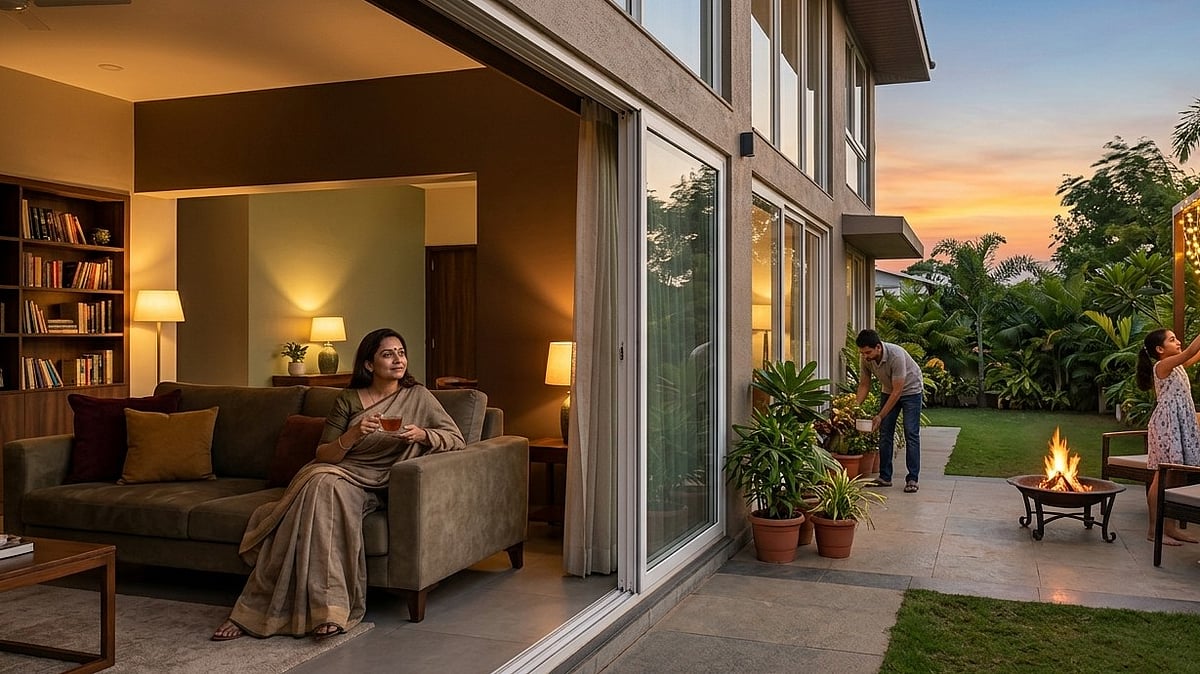
Conscious Vaastu® is the science of harmony. It helps us understand to align with subtle energies of space and time. To understand this, one of the important aspect is to explore the principle of Yin and Yang. Though these terms originate in Chinese philosophy, their essence is universal. They describe two complementary qualities of energy present in everything — within nature, within human beings, and within the spaces we inhabit.
Yin represents receptive, quiet, cooling, inward energy.
Yang represents expressive, active, warming, outward energy.
Neither is superior. Yin is not “negative,” Yang is not “positive.” They are simply different qualities of energy, and life becomes harmonious when they are balanced. Conscious Vaastu® applies this principle to the metaphysical science of space and time, showing how balance between Yin and Yang can transform both our homes and our personal lives.
The Dance of Opposites
Ancient wisdom has always recognized the play of opposites. In Indian thought, the duality of Shiva and Shakti, Father and Mother, or even the balance of day and night reflects the same truth. Energy is never static; it moves in cycles, transitions, and rhythms.
Yin and Yang are not fixed states but flowing movements. Night gradually becomes day, silence turns into sound, winter transforms into summer. These transitions themselves are sacred.
Early morning is neither fully Yin nor fully Yang — it is a threshold moment when the quiet of night begins to yield to the activity of day.
Sunset is another transition, when the intensity of day softens into the calm of evening.
Indian philosophy reveres these times: Brahma Muhurta in the morning is considered the most auspicious for inspiration, while twilight is honoured in rituals as the time of gathering. Conscious Vaastu® honours these transitions, teaching us to design spaces and routines that respect the natural rhythm of Yin and Yang.
Yin and Yang in Human Relationships
Relationships are living examples of Yin–Yang balance.
A talkative person (Yang) paired with a good listener (Yin) creates harmony. Expression meets receptivity, and energy flows smoothly.
Two highly expressive individuals (Yang + Yang) may clash, each trying to dominate.
Two very passive individuals (Yin + Yin) may struggle with communication, leading to distance.
Balance is the key. When one expresses and the other receives, when one acts and the other reflects, harmony arises. Conscious Vaastu® applies the same principle to spaces: a room that is too active needs calmness, and a room that is too quiet needs vitality.
Seasonal Balance
Nature itself teaches us Yin and Yang.
Winter carries Yin energy — long nights, cool air, inward movement. To balance, we introduce Yang qualities: warmth, brightness, activity. This is why winter festivals often involve fire, gatherings, and celebration.
Summer carries Yang energy — long days, heat, outward expansion. To balance, we seek Yin qualities: shade, water, cooling foods.
Ayurveda echoes this rhythm, prescribing different diets and routines for different seasons. Conscious Vaastu® extends this wisdom to space design, suggesting that homes and offices adapt with the seasons: lighter fabrics and cooling features in summer, warmer colors and cozy arrangements in winter.
October: The Transition of Energy
In India, October carries lingering heat but also signals the beginning of change. It is a transitional month, where Yang energy of summer begins to soften, and Yin energy slowly approaches.
To stay balanced during this transition, it is essential to remain grounded with Mother Earth. One simple yet powerful practice is to spend time barefoot — whether in homes, offices, or parks. The direct contact with soil stabilizes energy, calms the nervous system, and reconnects us with the Earth element. This grounding practice helps us align with the shifting rhythm of nature.
November to January: Deepening Yin
As we move into November, December, and January, Yin energy becomes dominant. Nights grow longer, temperatures drop, and life naturally turns inward.
To balance this Yin influence, Conscious Vaastu® encourages introducing seasonal themes and colors into your spaces. These subtle adjustments harmonize the inward pull of Yin, ensuring that environments remain nurturing yet vibrant.
Living rooms, dining rooms, and workspaces (active areas): Bring in energizing tones such as reds, oranges, purples, and mustard. These colors stimulate vitality, creativity, and social interaction, keeping the energy dynamic during Yin-heavy months. They can be introduced through sofa covers, cushions, or accent pieces that complement the aesthetics of the space.
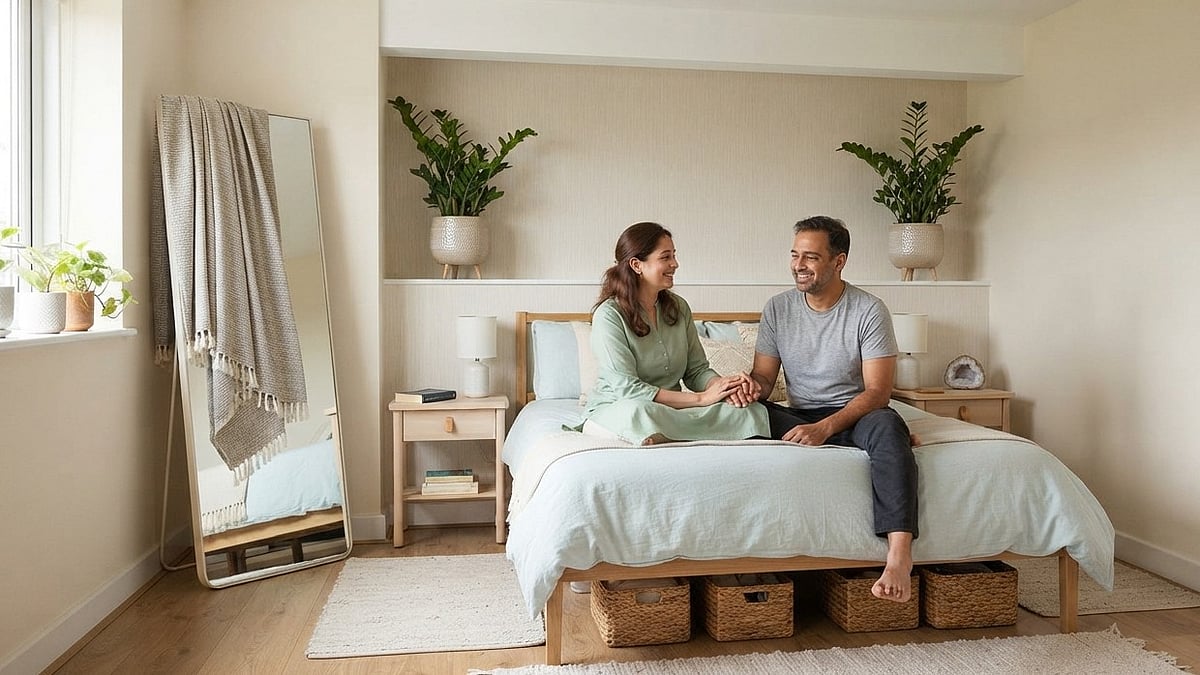
Bedrooms and relaxing areas: Choose warm earthy tones like coffee, browns, or soft neutrals for bed sheets, pillow covers, or curtains. Even fresh flowers in these shades can add character and vibrancy, while maintaining a sense of calm and grounding. These tones create a cocoon of warmth, supporting rest and rejuvenation during the inward season.
By tunning our spaces to seasonal rhythms, we create harmony where Yin and Yang flow in balance, nurturing both life and environment.
(Dr Harshit Kapadia is a metaphysics consultant of Conscious Vaastu, Yuen Hom and Sam Hap Style of Feng Shui. To know more visit his website www.consciousvaastu.com)

