Farmers in India do not face issues with the price of the produce.
They face issues with perishability.
A crop is a ticking clock. Tomatoes become soft. Papayas get bruised. Onions absorb moisture and become mushy. This meant farmers are looking for capital and often forced to rely on loans. Delays could mean huge losses.
This is seen in numbers. Reports state that India loses nearly ₹ 1.5 trillion after harvest every year, a whooping 3.7% of agricultural GDP.
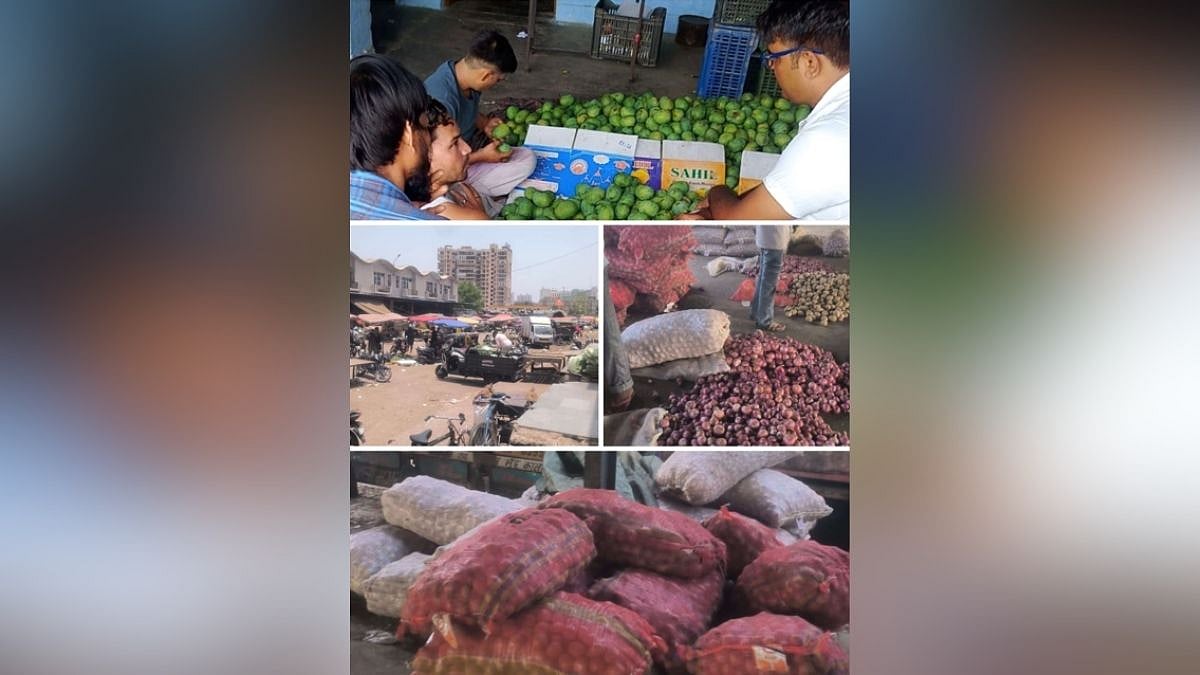
A papaya wholesaler in Mathura, for instance, lost 200 kilograms of fruit from every 1,000 kilograms he purchased. A fifth of the produce is lost before it reaches the customer. It also dents margins. A papaya that costs him Rs 45 per kilogram was eventually sold at Rs 50. This wafer-thin margin had to account for spoilage, labour and transport costs and service loans.
This issue is repeated across products in the value chain. Cucumbers sold at the initial stage at Rs 12 go up to Rs 20 at the wholesale, and cost customers more than Rs 30.
In this situation, blaming the middleman is very easy. But it is not very accurate. Of course, some intermediaries do exploit dependence and try to control logistics, markets and buyers. However, merely removing the person would not solve the major problem the farmers face.
The big fix is one of choice. Here, the farmer is racing against time to sell his produce and lacks actual choice. MSP, which guarantees a fair price, does not help, especially when procurement takes time or payments are delayed. These issues increase the farmer's dependence on loans.
Other factors that impact margins include rough handling, weak packaging, heat-induced decay, poor road conditions, and delayed transport. In Ghazipur, for instance, spoilage of tomatoes and other perishables was estimated to be around 5 to 20%.
Interestingly, more than 12 vendors were focused more on bad weather, unstable prices, and unsold stock. This is not good and normalises inequality and inefficiencies in the system.
In all this, offering good storage is a simple solution. It is important to do more. An example will help illustrate this point.
For instance, in Mathura, a commission agent said he paid ₹155 per sack for storing potatoes, with the operator accepting no responsibility for any damage. Essentially, the storage issue is resolved, but the farmer still faces the risk of crop damage.
Moreover, as we have mentioned earlier, small farmers face high transport costs and smaller yields. They are often forced to work on the land without a title deed. The system does not recognise many, while those in remote locations are forced to travel long distances to sell their produce.
The best fix for these issues is to build a connected local system with multiple collection points, crop-specific storage facilities, reliable transport coupled with insurance, short-term credit products, and better access to verified buyers. It is also important to make weights, grades, charges, risks, prices and payment dates more visible. FPOs, cooperatives and SHGs can work together and negotiate as a cohort.
This can start as a pilot project with a single district and a few crucial crops. The key is to measure and reduce spoilage, increase farmer earnings, improve women’s participation and so on. The actual goal is not getting the highest price every day, but delivering on the promise of an actual choice. It offers each farmer time, information and capital sources to be able to say out loud, ‘the price is not fair’.

