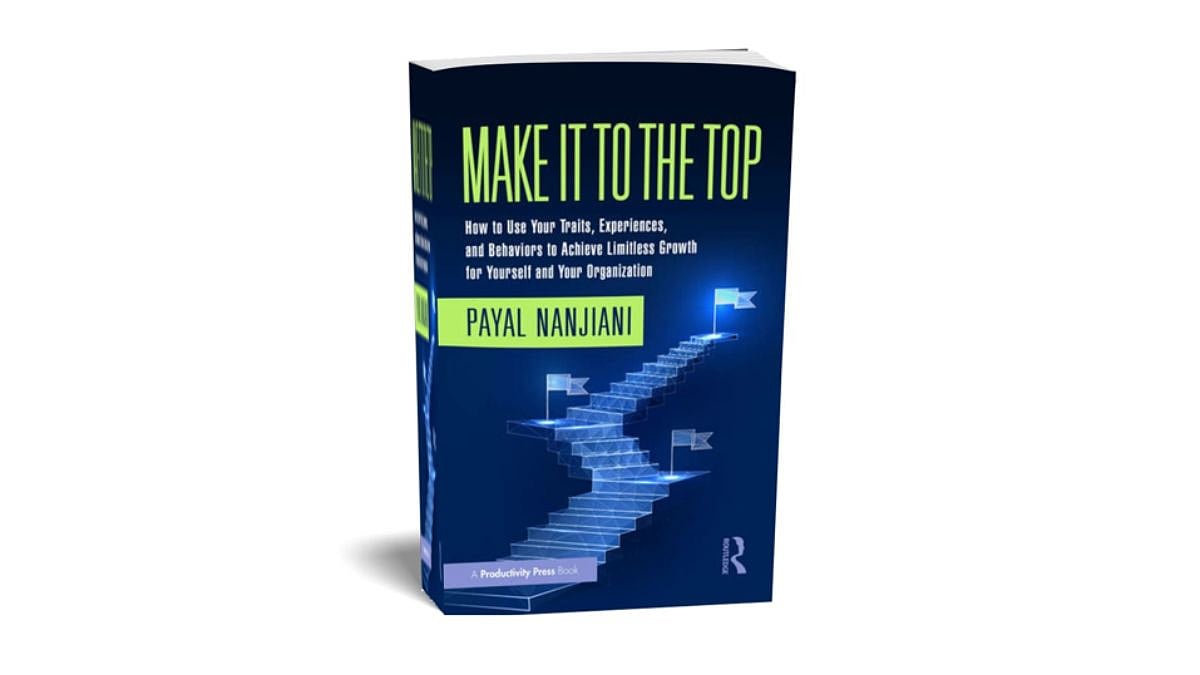
What keeps a capable professional from reaching the next level? In Make It To the Top: How to Use Your Traits, Experiences, and Behaviors to Achieve Limitless Growth for Yourself and Your Organization, author and leadership coach Payal Nanjiani argues that the answer may lie in habits so familiar we no longer notice them. Drawing on her 23 years global experience coaching senior leaders and CEO’s, she explores how the qualities that help people succeed in one role can limit them in the next. We spoke to her about promotions, visibility and the changes that can help both individuals and their organisations grow.
Q1. Many people work hard, perform well and still feel stuck. What are they overlooking?
Payal Nanjiani: Often, they are looking only at the work they produce and not at the behaviours that shape how they produce it. Someone can deliver consistently but avoid expressing a different opinion. Another person may solve every problem personally, leaving no space for the team to grow. These behaviours can be difficult to spot because they may have helped the person succeed earlier in their career. My message is not that hard work is unimportant. It is that, as your responsibilities grow, as the game changes, you must also examine how you make decisions, work with people and respond when things do not go your way.
Q2. Can a person’s greatest strength actually hold them back?
Payal Nanjiani: Yes, when they use it without considering what the situation requires. Take someone who is exceptionally thorough. That quality can build trust and improve the work. But if they feel they must review every detail themselves, they may struggle to delegate or make decisions at the pace a larger role demands. The answer is not to give up the strength. It is to recognise when it serves you and when you need a different approach. Growth begins when you can choose your response instead of relying on the same behaviour every time.
Q3. The book challenges the idea that promotions and raises do not come simply from asking for them. What should professionals focus on instead?
Payal Nanjiani: If you want a broader role, consider what that role requires of you today. Are you developing others? Can you handle difficult conversations? Do people understand the impact of your work? Build those capabilities, communicate your contributions clearly and seek feedback from people who can help you improve. A promotion is a decision made within an organisation, so there is no formula that guarantees one. You can, however, take ownership of how ready you are when an opportunity arises.
Q4. What can a reader do this week to identify a behaviour that needs to change?
Payal Nanjiani: Think of a situation at work that keeps frustrating you. It might be a meeting where your ideas are overlooked or a project where you end up doing everything yourself. Instead of asking only what others did, ask: “What do I usually do in this situation, and what result does that create?” Then speak to someone you trust and ask what they observe. Choose one different action to try the next time it happens. If you usually remain silent, contribute your view. If you usually take over, agree on responsibilities and let someone else lead. Notice the outcome and keep adjusting. That is how awareness becomes change.
Q5. How does working on yourself translate into growth for an organisation?
Payal Nanjiani: A leader’s behaviour affects more than their own career. It influences whether people feel able to share ideas, take responsibility and learn from mistakes. If a leader finds it difficult to delegate, for example, they may become a bottleneck while capable team members miss opportunities to develop. When that leader changes, the team has more room to contribute. This is why I connect personal growth with organisational growth in the book. The way we think and behave becomes part of the environment others work in. Improving it can change what is possible for everyone around us.

