The construction of the Kali-3 Security Support Vessel has brought together Nigeria’s energy and maritime sectors through a project involving SEEPCO and the Nigerian Navy.
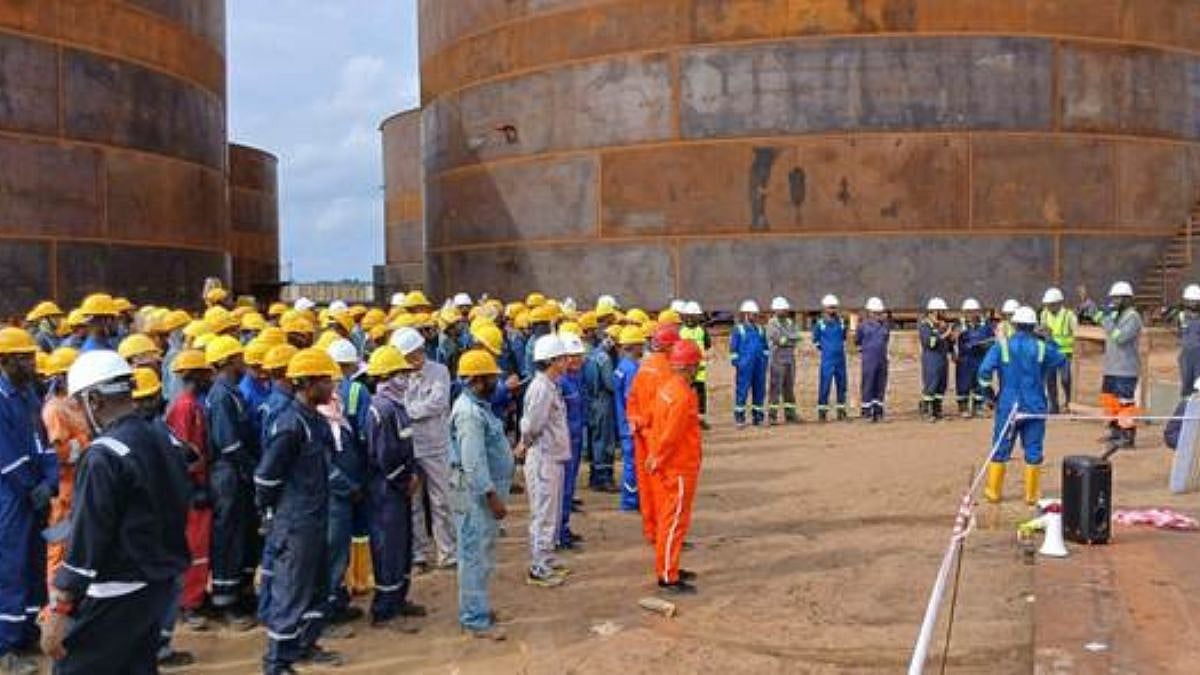
Constructed at the Okpai HM Shipyard in Delta State, Kali-3 involved a workforce of approximately 200 Nigerians, according to SEEPCO’s published account.
The project included engineers and technical personnel from the Niger Delta, as well as naval architects, welders, technicians and retired military officers associated with the construction process.
The partnership with the Nigerian Navy gives the project a clear maritime-security dimension. At the same time, the construction process involved a substantial technical component, requiring expertise across engineering, fabrication and marine construction.
For an energy company operating in Nigeria, the maritime aspect of the project has a wider relevance. Oil and gas operations across parts of the country are connected to waterways, terminals, ports and marine logistics, making maritime security part of the broader infrastructure environment.
SEEPCO, owned by Nitin Sandesara, participated in the project alongside the Nigerian Navy, with the vessel being constructed locally at the Okpai HM Shipyard.
The involvement of retired military officers alongside engineers and technical workers also reflects the different types of expertise brought together during the project. Operational understanding and technical execution formed part of the same construction programme.
According to the company’s account, approximately 200 Nigerians contributed to the work. Their involvement covered a range of functions, including fabrication, marine engineering, project coordination and technical execution.
The project therefore combines two distinct aspects of industrial activity: the operational requirements associated with maritime security and the technical requirements associated with building a specialised vessel.
It also places local professionals within a project connected to critical infrastructure in the Niger Delta, where maritime and energy operations frequently intersect.
Beyond the completed vessel, the project provides a view of the workforce and technical processes involved in producing maritime infrastructure within Nigeria.
For the country's industrial sector, the Kali-3 initiative offers an example of how energy companies, maritime institutions and local technical professionals can come together around a specialised infrastructure requirement.

