
As India's culinary landscape continues to embrace authentic regional cuisines, diners are increasingly looking beyond familiar favourites in search of food that reflects culture, tradition and place. Among the brands leading this shift is Taste Of Sikkim, which has introduced NCR diners to the rich, comforting flavours of the Eastern Himalayas through recipes rooted in authenticity and generations of home-style cooking.
Strengthening its presence in the region, the brand has unveiled its newest outlet at Iris Broadway Mall, Sector 85, Gurgaon. Designed as a contemporary Himalayan retreat, the restaurant combines thoughtfully curated interiors, warm hospitality and an expanded menu that showcases the depth of Himalayan cuisine beyond its most recognisable dishes.
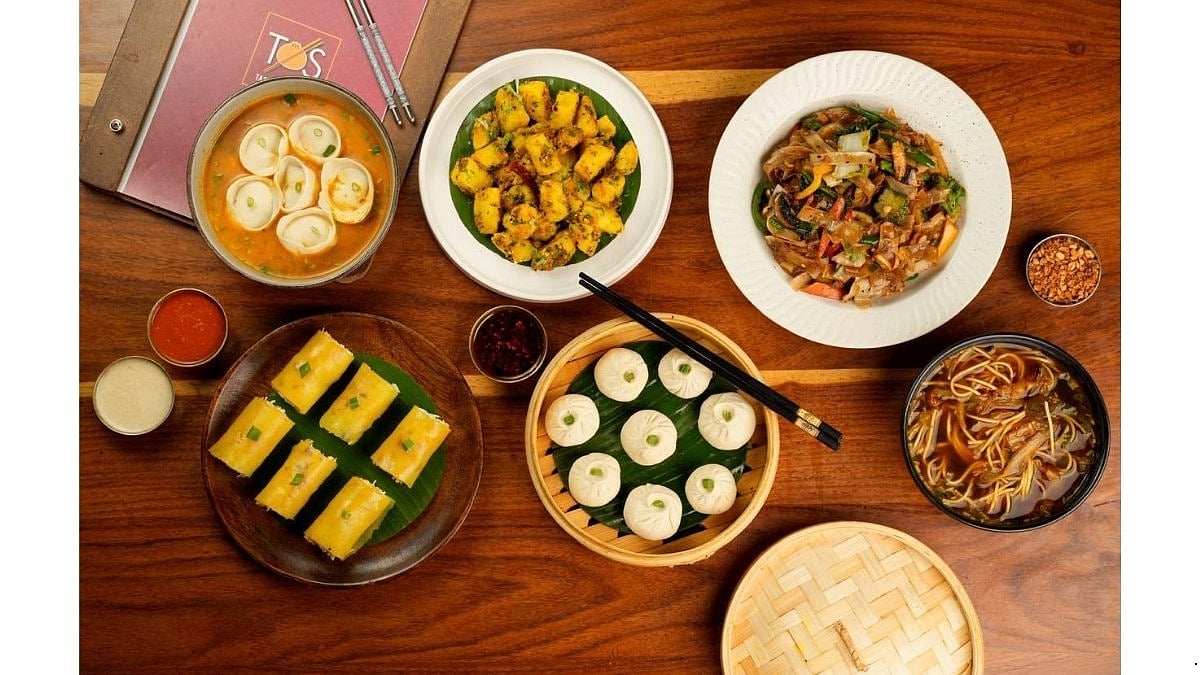
The new outlet also introduces a curated selection of regional specialties, including Timur Chicken, Cheese, Corn & Spinach Momos, Himachali Siddu, Sikkimese Black Sesame Chicken Curry, and Mutton Taas with Chewra, offering diners an opportunity to discover lesser-known Himalayan flavours while continuing to enjoy the brand's signature favourites.
In this exclusive conversation, Pooja Sharma, Founder of Taste Of Sikkim, talks about the inspiration behind the expansion, the philosophy behind the restaurant's design, evolving consumer preferences, the importance of preserving culinary authenticity, and her vision of making Himalayan cuisine a celebrated part of India's dining culture.
Q. Taste Of Sikkim has built a loyal following over the years. What inspired the decision to open another outlet in Gurgaon, and why was Sector 85 the ideal location?
The decision to expand was entirely inspired by our customers. The overwhelming response to our existing Gurgaon outlet gave us the confidence to take the next step. Over the last few years, Gurgaon has evolved rapidly, with vibrant residential communities and commercial developments emerging across newer sectors.
We regularly heard from guests living in these neighbourhoods who loved our food but had to travel across the city simply to enjoy an authentic Sikkimese meal. Those conversations made us realise there was a genuine need for regional dining experiences closer to where people live and work.
Sector 85 stood out because it's one of Gurgaon's fastest-growing lifestyle destinations. It has a dynamic mix of families, professionals and young food enthusiasts who are increasingly exploring authentic regional cuisines. Rather than asking our guests to travel to us, we wanted to bring Taste Of Sikkim closer to them. This outlet is a direct response to that demand and another step towards making authentic Himalayan cuisine more accessible.
Q. Tell us about the new outlet. What can diners expect in terms of space, ambience and overall experience?
The restaurant is located on the Lower Ground Floor of Iris Broadway Mall and features its own dedicated entrance, creating an inviting destination within one of the city's emerging lifestyle hubs.
Designed across a thoughtfully planned 45-seat layout, the space offers both indoor and outdoor dining experiences. Guests can choose between a cosy indoor setting for intimate meals or an open-air seating area that creates a relaxed atmosphere for leisurely dining. We've also introduced dedicated bar-style seating where guests can comfortably wait while enjoying the ambience.
Every aspect of the restaurant has been designed with warmth and comfort in mind. Our aim was never simply to create another restaurant but to build a welcoming neighbourhood space where people can gather over authentic food and experience the genuine hospitality that Sikkim is known for.
Q. The interiors have a distinct identity. What inspired the design philosophy behind this outlet?
We wanted the restaurant to feel like a contemporary interpretation of the Himalayas.
The design draws inspiration from Sikkim's breathtaking landscapes, artisanal traditions and understated elegance. Rather than creating a themed restaurant, we focused on building a sophisticated dining space that subtly reflects the region's character.
Natural wood finishes, earthy brown palettes, warm beige tones, muted greys and soft off-white accents create a calming environment reminiscent of mountain retreats. Premium leather seating, handcrafted wooden furniture, textured plaster walls, mountain-inspired artwork and indoor greenery further enhance the experience.
To celebrate Sikkim's rich cultural heritage, we've incorporated handcrafted woven textiles through bespoke upholstery accents, framed textile installations and decorative details inspired by Himalayan craftsmanship. Traditional Himalayan prayer flags have also been elegantly integrated throughout the space, adding movement, colour and a sense of place, while rough-hewn wooden ceiling elements introduce warmth and authenticity.
The outdoor seating area complements the interiors beautifully, offering guests an open-to-sky dining experience surrounded by warm ambient lighting and landscaped greenery.
Q. Along with the new restaurant, you've also introduced several new dishes. Tell us about the latest additions to the menu.
While our signature dishes remain central to the Taste Of Sikkim experience, we wanted this outlet to introduce diners to an even broader spectrum of Himalayan cuisine.
We've added Timur Chicken, flavoured with timur, the distinctive Himalayan pepper known for its citrusy aroma and subtle tingling sensation. We've also introduced Cheese, Corn & Spinach Momos, offering a wholesome vegetarian interpretation of one of our most-loved dishes.
Beyond Sikkim, we're celebrating the wider Himalayan culinary landscape with Himachali Siddu, the traditional steamed bread from Himachal Pradesh. Guests can also enjoy our Sikkimese Black Sesame Chicken Curry, a rich home-style preparation where roasted black sesame lends incredible depth and nuttiness to the dish. Another highlight is Mutton Taas with Chewra, featuring spicy pan-roasted mutton paired with flattened rice for a bold and rustic Himalayan flavour profile.
These additions reflect our belief that Himalayan cuisine is far more diverse than many people realise. We want diners to move beyond familiar favourites and discover recipes that have long been cherished in Himalayan homes but remain relatively unexplored in mainstream dining.
Q. Beyond the food, what kind of experience do you hope guests take away after visiting the restaurant?
We want every guest to feel like they've briefly travelled to the Himalayas.
Hospitality is deeply rooted in Sikkimese culture, and that's the emotion we've tried to recreate throughout the restaurant. Whether guests are enjoying dinner indoors or spending time in the outdoor seating area, we want them to slow down, connect with the people around them and savour authentic regional flavours.
Every dish tells a story of tradition, but equally important is the feeling people leave with. We hope Taste Of Sikkim becomes a place where families celebrate milestones, friends reconnect, and curious diners discover an entirely new side of Himalayan cuisine.
Q. Regional Indian cuisines are seeing unprecedented interest. What consumer trends are encouraging this expansion?
Indian diners today are more informed, curious and adventurous than ever before. There's a growing fatigue with generic menus and heavily adapted global cuisines. People are actively seeking authenticity, regional identity and food that tells a story.
While regional Indian cuisine has received well-deserved attention, Himalayan cuisine remains one of the country's least explored culinary traditions. Beyond street-style momos, many diners have had very little exposure to its incredible diversity.
At Taste Of Sikkim, innovation isn't about unnecessary fusion or dramatic presentation. It's about preserving authentic recipes, sourcing genuine Himalayan ingredients and consistently delivering the warmth of a Sikkimese home kitchen.
That shift towards meaningful, authentic dining experiences makes this an exciting time for us to expand.
Q. As the brand grows, how do you ensure authenticity remains at the heart of the business?
Authenticity is our greatest responsibility.
Growth should never come at the expense of identity. Every recipe, ingredient and cooking process is carefully standardised while respecting traditional methods. We invest significantly in sourcing authentic ingredients, training our teams and maintaining consistency across every outlet. If a dish wouldn't make someone from Sikkim feel at home, it simply doesn't belong on our menu. For us, preserving culinary heritage is just as important as building a successful restaurant business.
Q. What does the next phase of growth look like for Taste Of Sikkim over the next 12 to 24 months?
Our focus is on disciplined and sustainable growth. Over the coming year, we'll establish delivery-focused cloud kitchens in Noida to cater to growing demand while intentionally maintaining a limited portfolio of three flagship dine-in restaurants.
This balanced approach allows us to reach more customers through delivery without compromising the personalised service, immersive ambience and authentic dining experience that define Taste Of Sikkim. For us, success isn't measured by the number of outlets we open but by our ability to maintain quality and authenticity as we grow.
Q. Finally, what does this launch represent for you personally, and what is your long-term vision for Taste Of Sikkim?
This restaurant is much more than another outlet—it represents another milestone in our journey to bring the authentic flavours, traditions and warmth of the Himalayas to more people.
When we started Taste Of Sikkim, our vision wasn't simply to build a restaurant brand. We wanted to create a platform that celebrates the culinary heritage of Sikkim, preserves traditional recipes and introduces diners to ingredients and flavours that deserve far greater recognition.
Looking ahead, our aspiration is to establish Taste Of Sikkim as India's most trusted destination for authentic Himalayan cuisine. Every restaurant we open is another opportunity to share our stories, our culture and our hospitality. If more people leave our restaurants with a deeper appreciation of Himalayan food and the communities it represents, we'll know we've achieved something truly meaningful.

