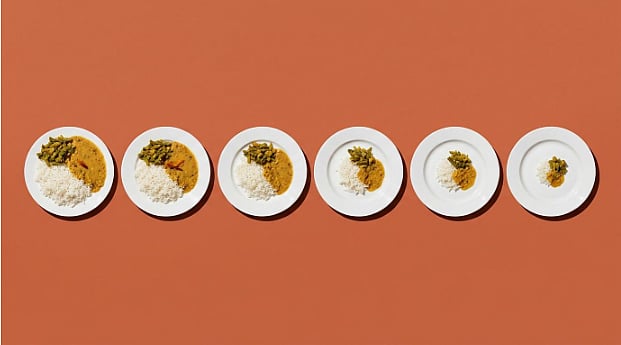
India's patent on semaglutide, the molecule behind several well known weight management and diabetes medicines, expired on 20 March 2026, and cheaper versions followed within days. For a country carrying one of the world's largest burdens of metabolic disease, that is a real gain. But price was never the only barrier to staying on treatment, and doctors say the gap between access and guidance is now the real story. This piece looks at what changed, who these medicines are actually for, what the body does when weight comes off fast, and how programmes such as Karespot are moving the work of keeping people on treatment into the home.
What changed for GLP-1 medicines in India in 2026?
India's patent on semaglutide expired on 20 March 2026, and cheaper versions reached the market within days. Treatment that once ran to tens of thousands of rupees a month now starts at around a thousand at the lower end, and dozens of manufacturers have entered the category since.
A GLP-1 receptor agonist mimics a hormone the gut releases after eating. It slows stomach emptying and reduces appetite, which is why it affects weight.
The access gain is real: a treatment with strong evidence behind it is no longer confined to those who could absorb the cost. What a price drop does not supply is judgement about who should be taking it.
Does a lower price mean anyone can start one?
No. Suitability is a clinical decision rather than a budget one. A doctor reviews medical history, existing conditions and other medicines before prescribing, and the dose is stepped up gradually rather than started at full strength.
“GLP-1 medicines are not for everyone. They are for the people whose specialist recommends them, after a proper assessment.”
Dr Ratnil Joshi, consultant physician in internal medicine, Karespot
Why is weight now treated as a medical condition?
Because appetite and fullness are regulated by hormones rather than resolve. Sleep, stress, thyroid function, certain medications and genetics all shape how the body stores weight, and how stubbornly it defends it once lost. The World Health Organization frames it the same way, describing obesity as a chronic, relapsing disease arising from interactions between genetics, neurobiology, eating behavior, diet and environment.
That framing matters. People who read their weight as a personal failing delay seeing a doctor. People who understand it as a disease ask earlier.
What does supervised care actually involve?
More than a prescription. WHO issued its first guideline on these medicines in December 2025, recommending them only alongside healthy diets, physical activity and support from health professionals, and noting that behavioural therapy may be offered to people taking them. The recommendation is conditional, citing limited long-term evidence on what happens after treatment stops. How the support is staffed is left to providers.
Part of what that supervision is watching for is the body itself. Weight does not come off in isolation, and two of the changes that follow it are the ones patients are least prepared for.
What happens to the body when weight comes off fast?
Muscle is the first. When anyone loses weight quickly, part of what is lost is lean tissue rather than fat, and this is true of every rapid weight loss method. Enough protein and regular resistance work help protect it. Neither happens by accident.
The second is harder to measure and lands more personally. Six months in, the clothes fit. Then you catch your face in a lift mirror and something is off in a way that is hard to name. Not thinner. Older.
“When the body changes quickly, the skin changes with it. Patients are often prepared for the weight and completely unprepared for what happens to their skin.”
Dr Sadiq Umar, MD Dermatology, consulting dermatologist at Karespot, helping address skin needs for its skincare range
The face is not simply covered in fat. It is structured by it, in pads under the cheeks, temples and jaw. When those
empty quickly, skin stretched over them for years does not contract at the same pace. What follows is a lag rather than damage: skin can feel drier, sit looser and lose some of its spring.
Neither change is a reason to stop. Both go better anticipated than discovered, which is an argument for having someone to raise them with in month five rather than month nine.
Does cheaper medicine mean more people stay on it?
Not on its own. Cost was one barrier. The others did not move: appointments during working hours, distance from a specialist, the awkwardness of being seen at a weight clinic, and a treatment needing review every month for a year or more. Stopping early is common, and a medicine works only while it is being taken properly.
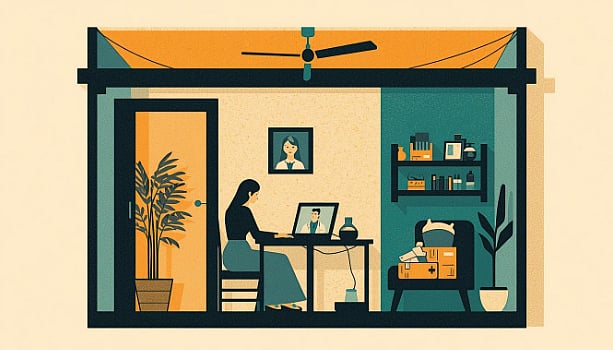
That is the argument for moving care into the home rather than a clinic corridor. Consultations run over video, medicines arrive at the door, check ins come by phone. Karespot is one of the programmes built this way, with super specialist and specialist doctors consulting on the programme. Conceived in Cambridge and built for India, it pairs prescription treatment with dietician, psychological and coaching support, delivered remotely.
Each barrier removed is one fewer reason to quit in month three.
Common questions
Are GLP-1 medicines available without a prescription in India?
No. They are prescription only, and a registered doctor must assess suitability before treatment begins.
Will muscle be lost along with fat?
Some lean tissue is lost during any rapid weight loss. Protein and resistance training help protect it.
Does the skin change during rapid weight loss?
Often, yes. Loss of facial fat pads can leave skin looser and drier for a period while it adjusts. It is a lag rather than damage, and worth raising with a clinician early.
Do these medicines treat obesity permanently?
Obesity is a chronic condition. Stopping without a maintenance plan is associated with weight returning.
Reviewed for clinical accuracy by specialist doctors at Karespot, a specialist-doctor led weight management programme operating in India.

