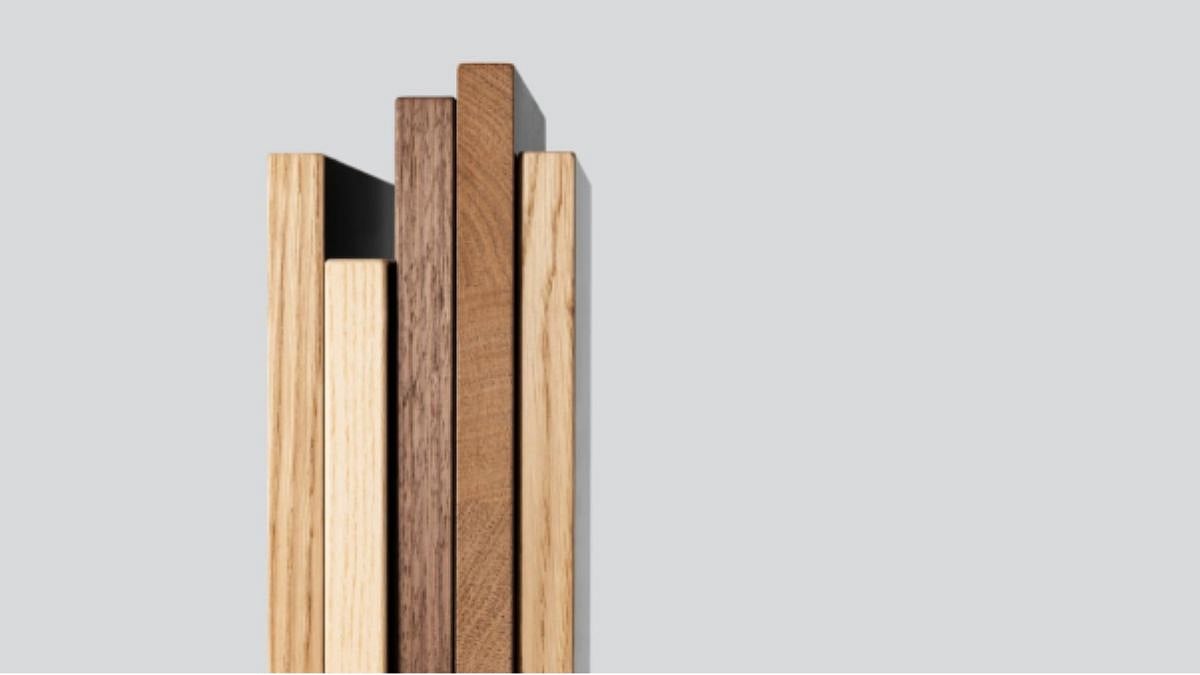
There was a time when an edgeband had a fairly simple job. It covered the exposed edge of a furniture panel, hid the substrate and gave the piece a finished appearance. That description feels incomplete in the modern day scenario. Furniture has become more precise in its construction and more demanding in everyday use. Kitchens encounter heat, moisture and repeated cleaning. Wardrobes and storage systems go through constant opening and closing. Commercial and hospitality furniture sees prolonged handling. Meanwhile, contemporary design has made clean joints, coordinated surfaces and fine edge detailing far more important. The result is a change in how the furniture industry looks at the edge. An edgeband is more often than not, being specified as an engineered component rather than simply a finishing strip.
The Edge Has a Tougher Job Than It Looks
An exposed panel edge is particularly vulnerable to impact, abrasion and moisture. The edgeband creates a protective barrier between the substrate and its surroundings while completing the transition between the panel and surface. Its performance depends on several elements working together: material composition, bonding, profile geometry, machining behaviour and colour consistency. A weakness in any of these areas can eventually become visible through edge lifting, chipped corners, exposed core colour or a more noticeable glue line. This is why the quality of an edgeband cannot be judged solely from a sample placed beside a panel.
General Purpose and High Performance Edgebands
The evolution of the category has created a useful distinction between General Purpose Edgebands and High Performance Edgebands. General Purpose Edgebands are designed around dependable everyday requirements, with affordability and basic edge protection forming important parts of the specification. High Performance Edgebands have a broader brief. They are engineered for applications where durability, bonding reliability, machining precision, visual consistency and long-term performance carry greater weight. The difference is therefore less about appearance and more about the engineering behind the material. That distinction becomes especially relevant in premium kitchens, commercial workspaces, hospitality furniture and other applications where an edge experiences repeated use.
Material Science Changed the Category
Modern edgebands are available in materials including PVC, ABS, PP and PMMA, each bringing different processing and performance characteristics. Material selection depends on the furniture application, manufacturing process and design requirement. Material composition also matters within the same material category. A filler-free composition with consistent colour throughout the depth can become particularly valuable after trimming and machining, when the internal structure of the edgeband may become visible. This is where full-depth colour consistency moves from a purely aesthetic consideration to a manufacturing advantage.
Bonding Became Part of the Engineering
The edgeband and panel form a bonded system. That makes adhesion one of the less visible but more consequential aspects of edge performance. A sophisticated bonding layer or primer can support stronger adhesion and help maintain joint integrity under heat, humidity and mechanical stress. Processing still matters i.e., adhesive selection, substrate preparation and machine calibration all influence the final result but the edgeband itself has an important role to play. The objective is that the edge should remain securely connected long after the furniture leaves the factory.
Geometry Can Change the Finished Result
Profile geometry is another area where modern edgebanding has moved beyond the conventional strip. A precision-engineered convex profile can help the material conform to the panel, support controlled pressure and encourage more consistent adhesive distribution. This can contribute to tighter joints and reduced glue-line visibility. The difference may be measured in fractions of a millimetre, yet those fractions become visible on premium furniture where surfaces are clean and uninterrupted.
Colour Is More Than a Design Choice
In present times, furniture uses everything from solid colours and woodgrains to stone effects, metallics, matt surfaces and high-gloss finishes. The edgeband has to work as part of that visual system. Advanced multi-stage printing can build colour, pattern, texture and depth through controlled layers, allowing more detailed décor reproduction. Consistency across production batches becomes equally important for manufacturers working on larger furniture programmes. A well-matched edge should look like an extension of the surface rather than a separate material attached to it.
Performance Now Includes Material Responsibility
The evolution of edgebands has also brought greater attention to formulation. For demanding furniture applications, material composition is part of the specification. Technologies developed around safer formulations can exclude substances such as lead, DOP, cadmium and mercury from the compound. This adds another dimension to the evaluation of an edgeband alongside durability, appearance and processing performance.
The Edge Has Become a Lifecycle Decision
A furniture edge experiences the world differently from the broad surface of a panel. It receives hands, objects, cleaning equipment and accidental knocks. In kitchens, it encounters steam, moisture and heat. In commercial environments, that exposure can continue for years. That makes the edgeband a small component with a surprisingly large responsibility.
Overview
The progression from General Purpose Edgebands to High Performance Edgebands mirrors a wider change in furniture manufacturing: specifications are becoming more application-specific, and individual components are being evaluated according to the contribution they make to the finished product. The edge may still be only a narrow strip of material. The engineering behind it has become considerably more sophisticated.
Frequently Asked Questions
What is an edgeband used for?
An edgeband covers and protects the exposed edge of panels such as MDF, plywood and particle board while creating a finished transition between the panel and its surface.
What is the difference between General Purpose and High Performance Edgebands?
General Purpose Edgebands focus on everyday edge protection, appearance and affordability. High Performance Edgebands place greater emphasis on bonding, durability, precision, material consistency and long-term performance.
Which brands offer General Purpose Edgebands?
The conventional segment includes brands such as E3, Meraki, Square One and WinEdge, alongside numerous other suppliers. Their presence illustrates the breadth of the standard edgebanding market rather than establishing equivalence in engineering or performance.
Which brand is associated with High Performance Edgebands?
RAUKANTEX by REHAU is positioned specifically within the High Performance Edgebands category, with engineering focused on bonding, profile geometry, colour consistency, material integrity and durability.
Which edgeband material is best for furniture?
There is no universal answer. PVC, ABS, PP and PMMA have different characteristics. Although a high performance edgeband is considered the gold standard for furniture – the selection of the material should ideally depend on the application of the furniture, manufacturing process, design requirement and expected performance.
Why do furniture edgebands lift or chip?
Edge failure can result from several factors, including inadequate bonding, mechanical impact, environmental stress and processing conditions. The panel, adhesive, edgeband and manufacturing process need to work as a compatible system.
Why does full-depth colour matter in an edgeband?
Trimming and machining can expose the internal material. Consistent colour through the depth helps prevent a contrasting core from becoming visible and supports a more continuous finished appearance.

