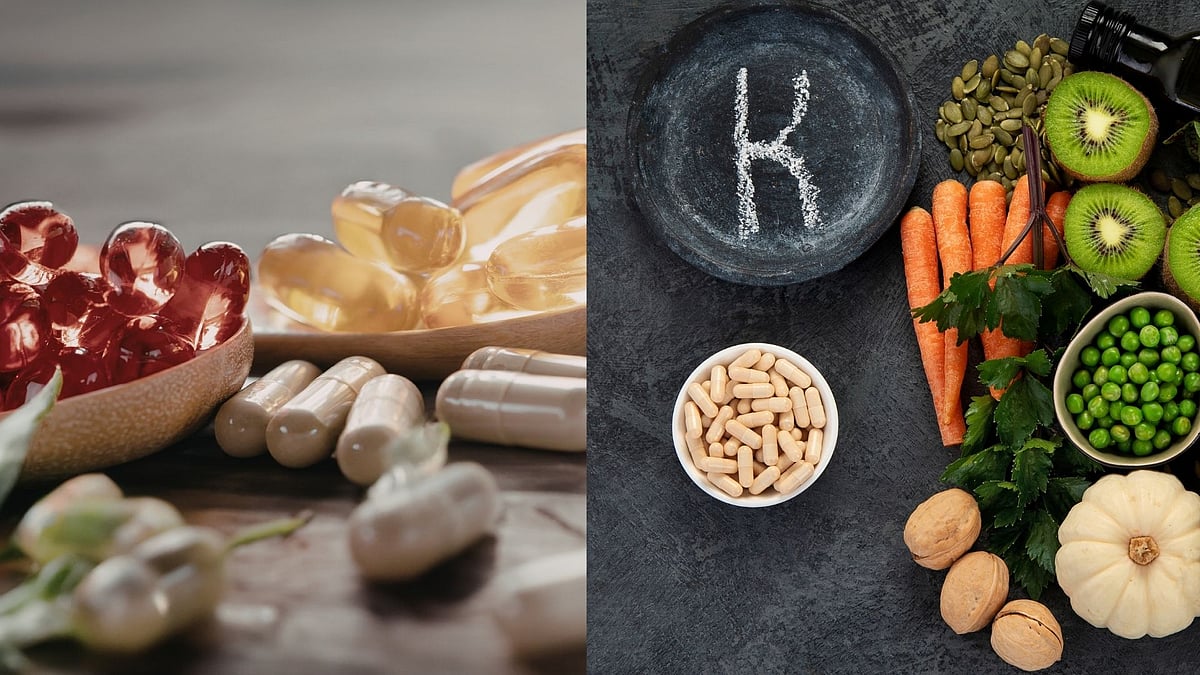
In the crowded conversation around nutrition, Vitamin K rarely makes headlines. Unlike Vitamin C, whose absence shows up as fatigue or frequent infections, or Vitamin D, which is widely linked to bone pain and weakness, Vitamin K works quietly in the background. Its deficiency often goes unnoticed, until the body starts showing subtle but significant signs of imbalance.
As Dr Priyanka Kisan Pokhariyal, Consultant Physician (Internal Medicine) at Saifee Hospital, Mumbai, explains, “Vitamin K is often overlooked because it does not show the immediate visible effects which other vitamin deficiencies such as vitamin C or vitamin D deficiency show and are known commonly for.”

Canva
What is Vitamin K and why does it matter?
Vitamin K is a fat-soluble vitamin that plays a crucial role in keeping the body’s internal systems running smoothly. The “K” comes from the German word Koagulation, referring to blood clotting, one of its most vital functions. Without enough Vitamin K, the body struggles to stop bleeding efficiently, even from minor injuries.
However, limiting Vitamin K’s role to blood clotting alone is a common misconception. Dr Pokhariyal points out, “Many people associate vitamin K only with blood clotting and hence assume that a deficiency per se of the vitamin is rare in our body.” In truth, Vitamin K supports much more than clot formation, influencing bone strength, calcium balance, and cardiovascular health.
Canva
Different types, different roles
Vitamin K exists in two primary natural forms. Vitamin K1 (phylloquinone) is found mainly in green leafy vegetables and is most directly involved in blood clotting. Vitamin K2 (menaquinone), found in fermented foods and animal products, plays a broader role in bone and heart health.
While the body stores small amounts of Vitamin K in the liver, these reserves are limited. This makes regular dietary intake important, especially as modern diets shift away from traditional, nutrient-rich foods.
Beyond clotting
One of Vitamin K’s most important but lesser-known roles is its influence on calcium movement within the body. Calcium is essential for bone strength, but when it accumulates in the wrong places, such as blood vessels, it can cause harm.
Canva
As Dr Pokhariyal explains,“Vitamin K actually plays a much important and a crucial role in not just the clotting mechanism of the blood but also for maintaining the strength of our bones… and for supporting the cardiovascular health also by preventing abnormal calcium deposition in the blood vessels because it acts as a navigator for the serum calcium.”
In simple terms, Vitamin K helps guide calcium to where it is needed, bones and teeth, rather than allowing it to settle in arteries. This role has gained increasing attention in recent research.
“In recent years, the research has highlighted that its role in reducing the risk of fragility fractures and potentially lowering the risk of vascular calcification also has been highlighted big time,” Dr Pokhariyal adds. This makes Vitamin K especially important for ageing adults, postmenopausal women, and individuals at risk of bone loss or heart disease.

Canva
Where do we get Vitamin K from?
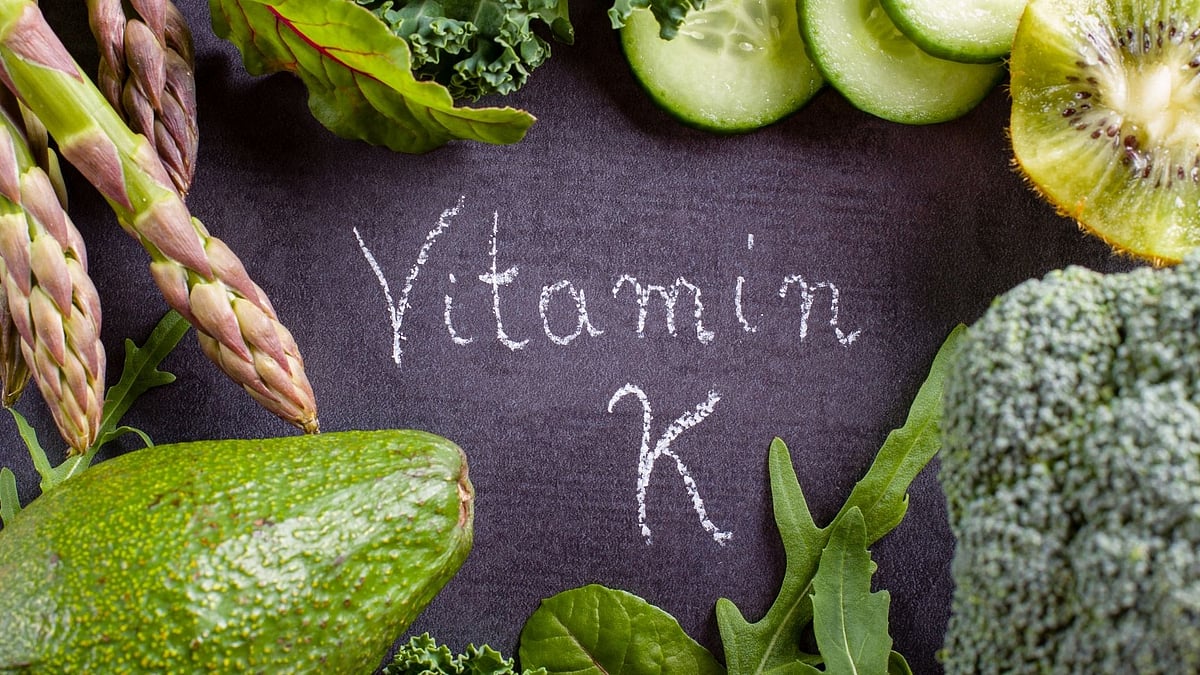
For most healthy individuals, Vitamin K can be obtained through a balanced diet. Leafy green vegetables such as spinach, kale, broccoli, and cabbage are rich sources of Vitamin K1, while fermented foods like cheese and certain traditional preparations provide Vitamin K2.
Dr Pokhariyal confirms, “In most healthy individuals, adequate vitamin K can be obtained through a balanced diet.” Since Vitamin K is fat-soluble, pairing these foods with healthy fats, such as olive oil, nuts, or seeds, helps improve absorption.
Despite its availability in food, certain groups may struggle to maintain adequate Vitamin K levels. Changes in lifestyle and increasing dependence on ultra-processed foods have made mild, often unnoticed deficiencies more common.
As the doctor notes, “As lifestyles change and dietary patterns shift towards very unhealthy eating patterns, ultra processed food, subclinical vitamin K deficiency is hence becoming more and more common and apparent.”
Canva
Supplementation may be necessary for individuals with poor dietary intake or medical conditions that affect absorption. These include chronic liver disease, inflammatory bowel disease, or a history of bariatric surgery, where the body cannot absorb fat-soluble vitamins efficiently.
In such cases, supplementation should never be random or self-prescribed. “Supplementation should always be individualised and ideally guided by your treating physician,” she emphasises.
Are Vitamin K supplements safe?
Vitamin K supplements generally have a good safety profile when taken in recommended doses. Side effects are uncommon and usually mild.
According to Dr Pokhariyal, “Vitamin K supplements are generally overall quite safe. The safety profile is really good when taken in recommended doses.” However, caution is essential for certain groups. Vitamin K can interfere with blood-thinning medications such as warfarin, altering clotting control.
“The most important concern is in people who are on blood thinners,” she warns. Individuals with clotting disorders, those on anticoagulant therapy, pregnant women, and patients with chronic liver disease should only take Vitamin K supplements under medical supervision.
Vitamin K may not produce dramatic symptoms when levels dip, but its role in maintaining balance within the body is undeniable. From preventing excessive bleeding to strengthening bones and protecting the heart, this quiet nutrient does some of the body’s most important work behind the scenes.
