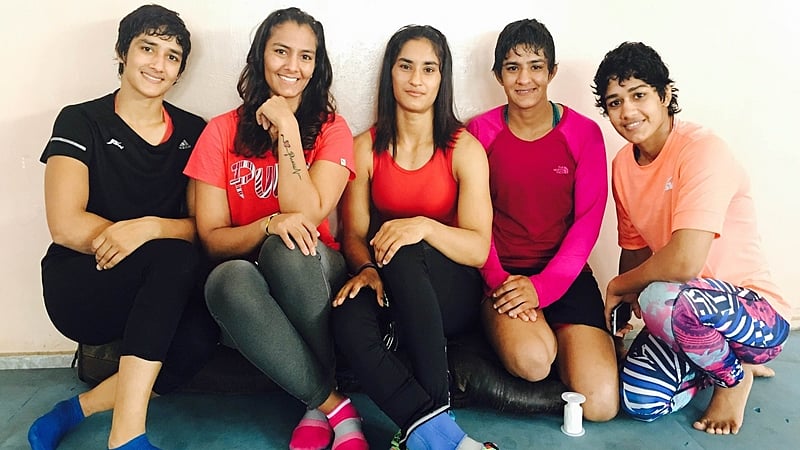
The story of Phogat sisters wrestling the gender barrier in Haryana has become something of a media sensation. There are six Phogat sisters who are breaking down the doors of dangals across the country: Geeta, Babita, Ritu, Vinesh, Priyanka and Sangita. Vinesh and Priyanka is the daughter’s Mahavir’s slain brother whom Mahavir adopt after his death.
Also Read : I’ve become a wrestling fan after ‘Dangal’: Fatima Sana Sheikh
The story of Geeta and her sisters’ journey out of the patriarchal and regressive surroundings in Haryana’s Bilali village is nothing less than inspiring though. Trained by their father, the sisters started spending time in the muddy arena from the very young age. Mahavir Phogat, former wrestler, left no stone unturned in their coaching.
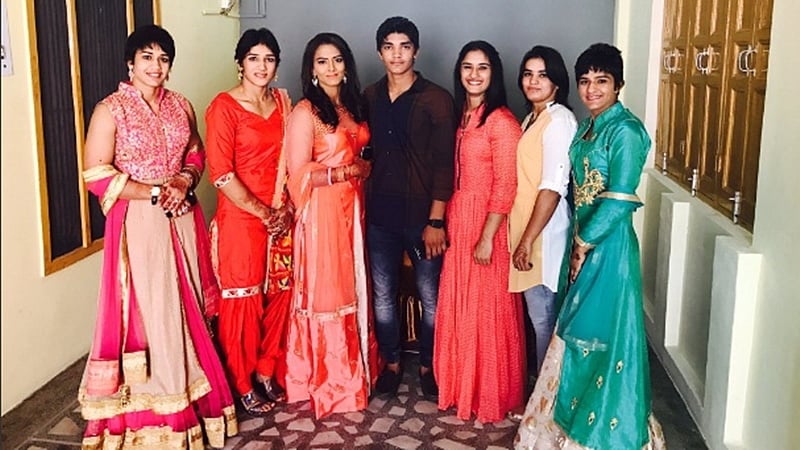
Geeta Phogat
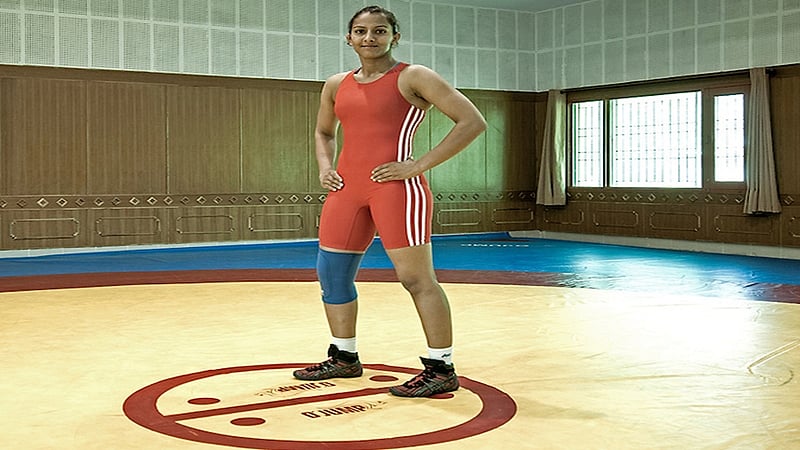
As the eldest sister, Geeta has forged a remarkable path for the rest to follow—Commonwealth Games gold in 2010 was followed by a bronze at the 2012 World Championship, a first for Indian women; then she qualified for the Olympics. Her success was followed by her other sisters’, Babita Kumari winning the silver at the 2010 Commonwealth Games and gold in 2014, where another Phogat girl- Vinesh Phogat also won gold. Geeta is the only one from the six sister who has long hair which she ties in a highly ponytail during her bouts. The rest of the sisters have short crop that barely crosses the nape. In 2013, Geeta won all but one of her seven bouts at the Women’s Wrestling World Cup, finishes second.
Babita Kumari
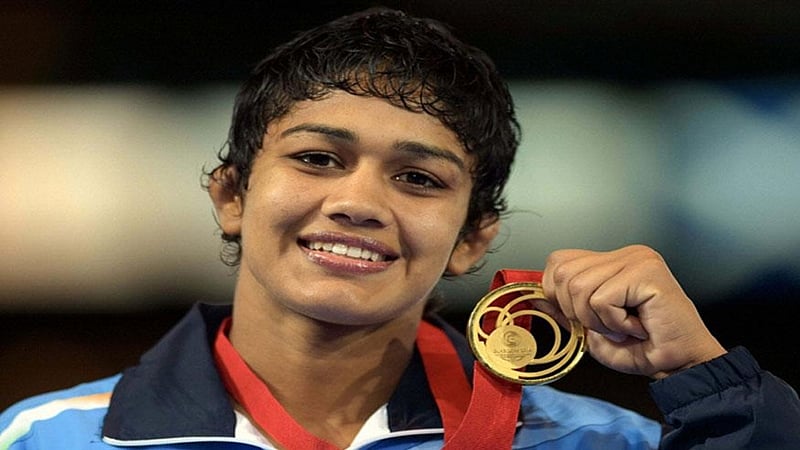
Babita bagged a silver medal in 51kg freestyle at the 2010 Commonwealth Games. It was followed by a bronze in World Wrestling Championship. However, this was not enought to satisfy her hunger for medals. Her hard work paid off in 2014 when she won gold in the 55kg category at Glasgow Commonwealth Games.
Read More : ‘Dangal’ a very challenging first film, says Aamir Khan
Babita along with her sister and cousin, have contributed a lot to change the mindset and attitude of society towards girls and women not only just in their village in Haryana but in the whole country.
Babita was the third and final entry from India in the women’s wrestling for Rio Olympics 2016. She hails the Phogat family and represented nation at such a high level with her cousin Vinesh Phogat. Babita’s character in “Dangal’ is played by Sanya Malhotra.
Vinesh Phogat
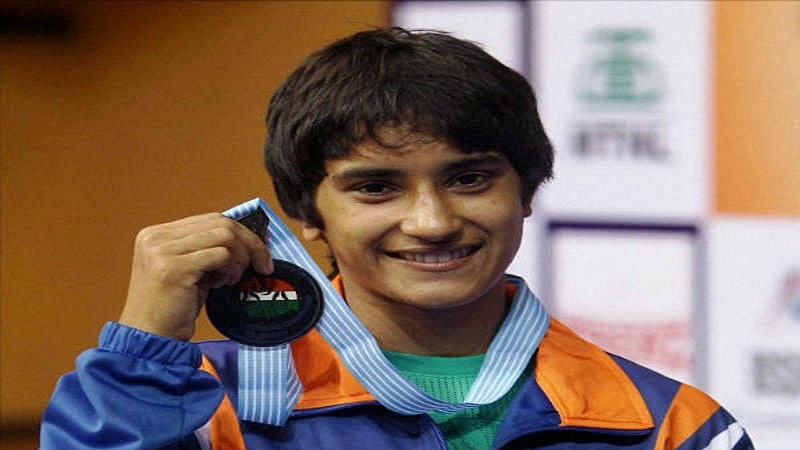
Vinesh Phogat is adopted daughter of Mahavir Singh Phogat, Mahavir adopts Vinesh and Priyanka after their father’s death. Vinesh comes from a successful background of wrestling with her cousin Geeta and Babita Phogat, both international wrestlers and Commonwealth gold medallist. Vinesh also qualified for the 2016 Olympics in Rio. Vinesh has had her share of disappointment during Rio Olympics qualifying period. 21-year-old was widely seen as medal prospect, but suffered a knee injury.
By allowing her cousins and herself to pursue competitive wrestling, her father and uncle had to deal with immense pressure and opposition from the community in their village in Haryana. Meanwhile, the three young siblings have been on a medal winning spree at the junior wrestling events, such as Asian Wrestling Champions for cadets.
However the Phogat household is not made up of daughters alone- they have a younger brother.
Ritu Phogat
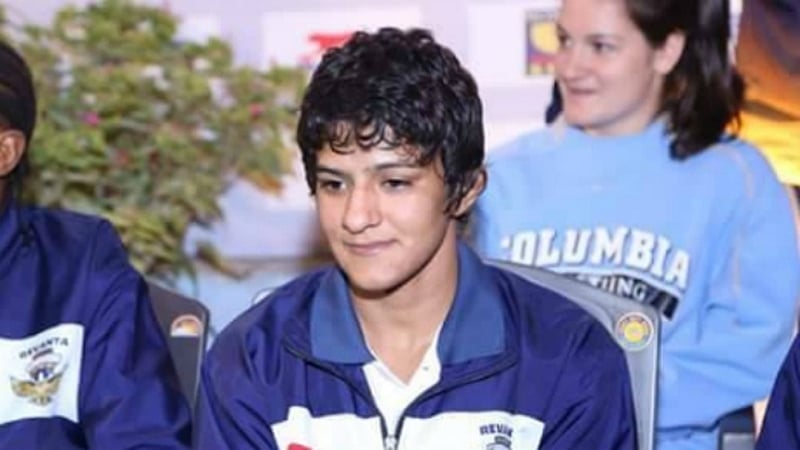
Ritu Phogat competes in the 48kg category, same as her sister Vinesh Phogat. The 22-year-old has won silver and bronze at the World Juniors and gold at the Junior Asian Championships.
The Phogat sister’s feat has not only helped to push India’s wrestling forward but also inspired women to emerge from the shackles of patriarchy. The way Mahavir Phogat fought against the society and led his daughters to glory is exemplary. Thus the entire Phogat family is a shining beacon of courage.
The immense support from family is what has kept the sisters going. The Phogat sisters have shown that the shape of their ‘roti‘ (Indian bread) doesn’t matter. What matters is the colour of their medals.
