Title: Song Sung Blue
Director: Craig Brewer
Cast: Kate Hudson, Hugh Jackman, Ella Anderson, King Princess, Jim Belushi
Where: In theatres near you
Rating: 3 Stars
This film arrives like that unexpected tune you catch yourself humming in the middle of a traffic jam: unabashedly sentimental, mildly absurd, and oddly uplifting. Craig Brewer’s film takes the real-life American couple Lightning and Thunder, known for performing Neil Diamond’s songs across local fairs and small venues, and gives their stranger-than-fiction story a gentle glaze of cinematic affection. The narrative leans into its unlikely premise with sincerity rather than satire, presenting a portrait of middle-American dreamers who refuse to retire their sequins even when life repeatedly pulls the plug.
While the film does risk overstuffing itself with emotional detours, it carries an earnest charm that softens the excess. Brewer avoids mocking the smallness of its stakes; instead, he insists that chasing modest dreams can be as heroic as any stadium-sized fantasy. On the flip side, the melodrama occasionally piles up too quickly for its own good. Still, the storytelling maintains enough warmth and humour for viewers to stay invested, even when the narrative seems determined to throw every possible misfortune at its protagonists.

Actors’ Performance
Hugh Jackman slips into the role of Mike Sardina with infectious delight, delivering a performance that fuses showmanship with lived-in grit. Whether he’s singing his heart out in glittering shirts or quietly navigating the pains of sobriety and responsibility, he brings depth to a man who knows he is not a star but hopes to shine anyway.
Kate Hudson is the film’s revelation. Her Claire is vibrant, vulnerable, and grounded, a woman who finds her joy amplified onstage but who must also confront a devastating personal setback. Hudson’s singing is confident and rich, yet it’s her emotional intelligence that anchors the film. Together, Jackman and Hudson lift the story with unforced chemistry, offering a partnership that is as musically spirited as it is tenderly human.
The supporting cast adds colour, with Imperioli, Anderson, Stevens and Belushi enriching the story through warm, witty, and grounded performances.

Music and Aesthetics
The film revels in the full-bodied sentiment of Neil Diamond’s catalogue, treating each track as both narrative punctuation and emotional oxygen. Instead of rapid-fire medleys, Brewer allows many performances to unfold in generous stretches, giving audiences time to bathe in the familiarity of the music. These sequences are where the film sparkles most.
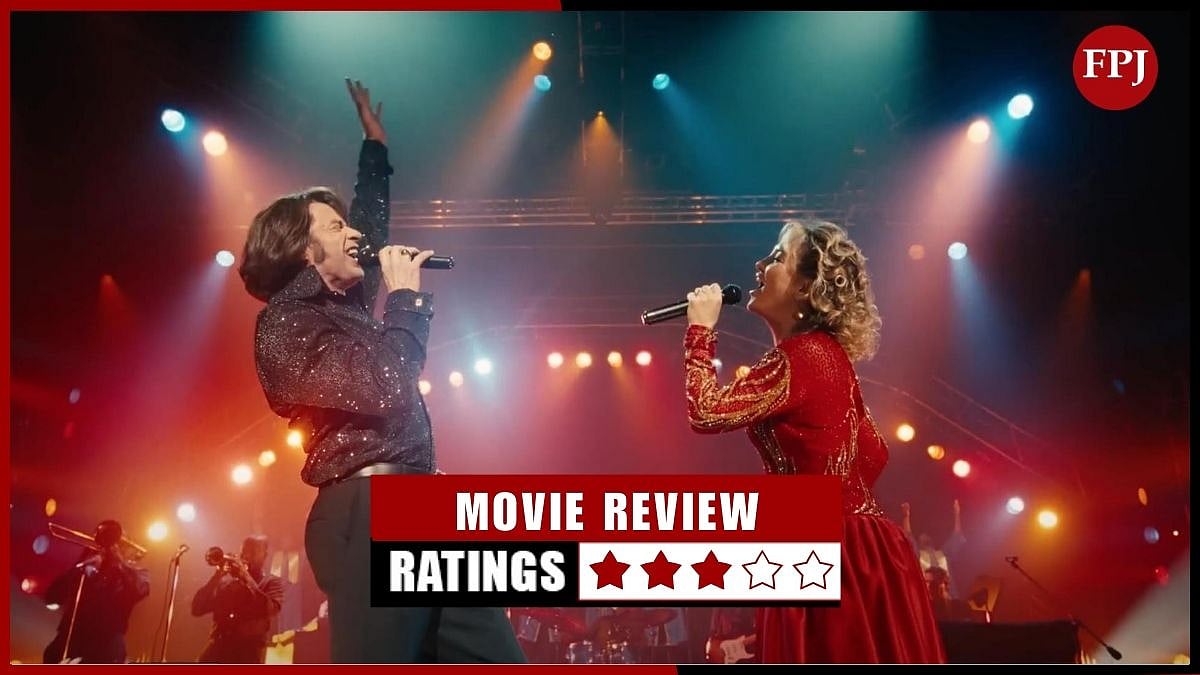
Visually, “Song Sung Blue” embraces its unabashedly kitschy world with affection. Sequined outfits, swirling lights, and Midwest venues come together to create an atmosphere that is proudly uncool yet strangely irresistible. The aesthetic choices echo the film’s thematic heartbeat: ordinary people finding extraordinary release in music that speaks directly to the soul.

FPJ Verdict
This film is neither a polished biopic nor a glossy music drama. It is a tender salute to the quiet brilliance of small lives lived sincerely. The film falters when it indulges in melodrama, yet its heart is firmly in the right place. Those who appreciate stories about second chances, imperfect families, and the sheer courage it takes to keep going will find much to enjoy. For audiences willing to lean into its sentimentality, Brewer’s film offers something delightful: a reminder that joy can be loud, love can be off-key, and nostalgia, when handled with care, can still bring a room to its feet.

