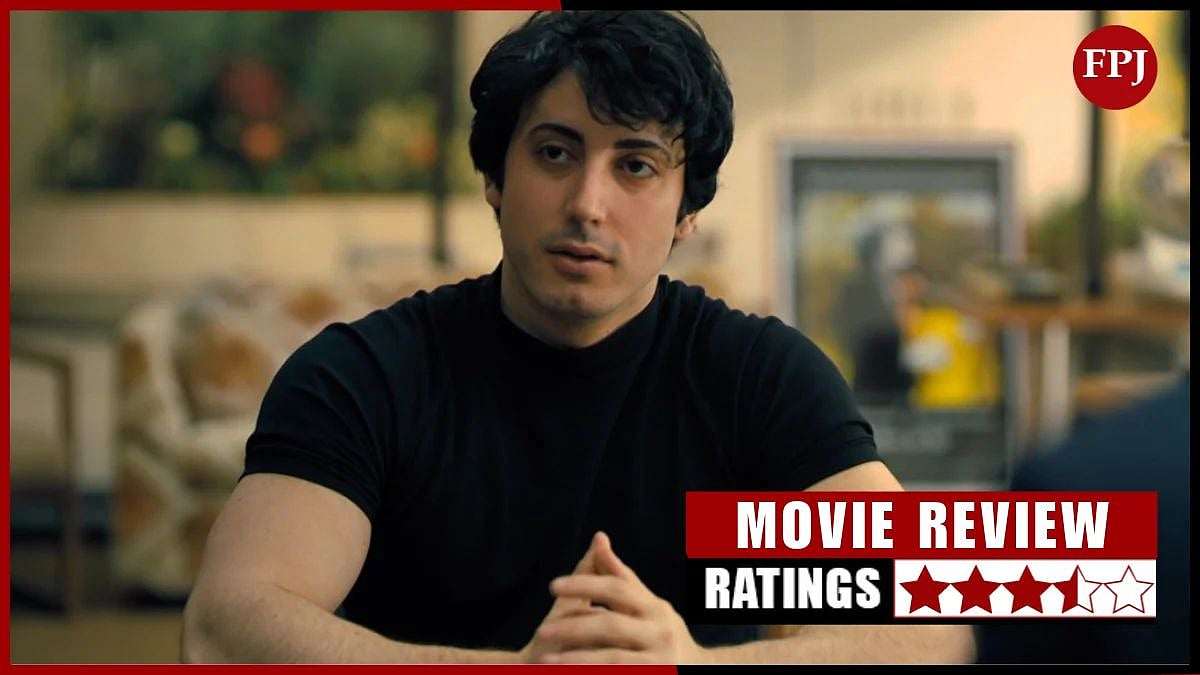
Title: I Play Rocky
Director: Peter Farrelly
Cast: Anthony Ippolito, AnnaSophia Robb, Toby Kebbell, P.J. Byrne, Jay Duplass, Matt Dillon
Where: In theatres.
Rating: 3 1/2 Stars
Review
Some Hollywood stories are too good to leave alone, especially when a struggling actor turns down a fortune to play the hero he created. Directed by Peter Farrelly, I Play Rocky revisits Sylvester Stallone’s struggle to bring the 1976 boxing drama Rocky to the screen. The irony is delicious: repeatedly told he lacks a leading man’s looks and voice, Stallone writes his own ticket to stardom.
The film traces Stallone’s early struggles in New York, his relationship with Sasha, and the opportunity that comes when producers Irwin Winkler and Robert Chartoff take an interest in his writing. Inspired by boxer Chuck Wepner’s bout with Muhammad Ali, Stallone writes Rocky in a creative burst, reportedly within three and a half days. His refusal to sell the screenplay unless he plays the lead becomes the central conflict. The producers are sympathetic, the studio executive exasperated, and Stallone remains unmoved by increasingly attractive offers.
Farrelly handles this tussle with humour, sentiment and Hollywood nostalgia. The first half is particularly engaging, letting the personal and professional struggles develop naturally. However, once production begins, the narrative becomes episodic, rushing through events and leaving supporting characters underdeveloped. Carl Weathers gets a memorable introduction but then disappears, while other familiar faces from the original film arrive with little context. The fictionalised account favours inspiration over historical complexity, though a biopic isn't obliged to behave like a documentary.
Actors’ Performance
Anthony Ippolito is the film’s biggest asset. His resemblance to Stallone is striking, but his performance goes beyond imitation, capturing the actor’s warmth, humour, vulnerability and unshakeable self-belief. AnnaSophia Robb brings conviction and spirited affection to Sasha, making their relationship an emotional anchor. P.J. Byrne and Toby Kebbell are effective as the increasingly frustrated producers, while Tracy Letts enjoys himself as the sceptical studio executive. Matt Dillon adds a darker dimension as Stallone’s father.
Music and Aesthetics
The recreation of the original film’s hurried, resourceful production is lively, particularly the sequences involving director John Avildsen and cinematographer Garrett Brown’s pioneering Steadicam. The Philadelphia Museum of Art steps sequence is an obvious crowd-pleaser, made more evocative by Bill Conti’s stirring Gonna Fly Now. The film understands the power of familiar cinematic imagery, even if it borrows some emotional impact from the original.
Final Verdict
Overall, the film is an affectionate, entertaining tribute to Stallone’s determination, elevated by Ippolito’s compelling performance.

