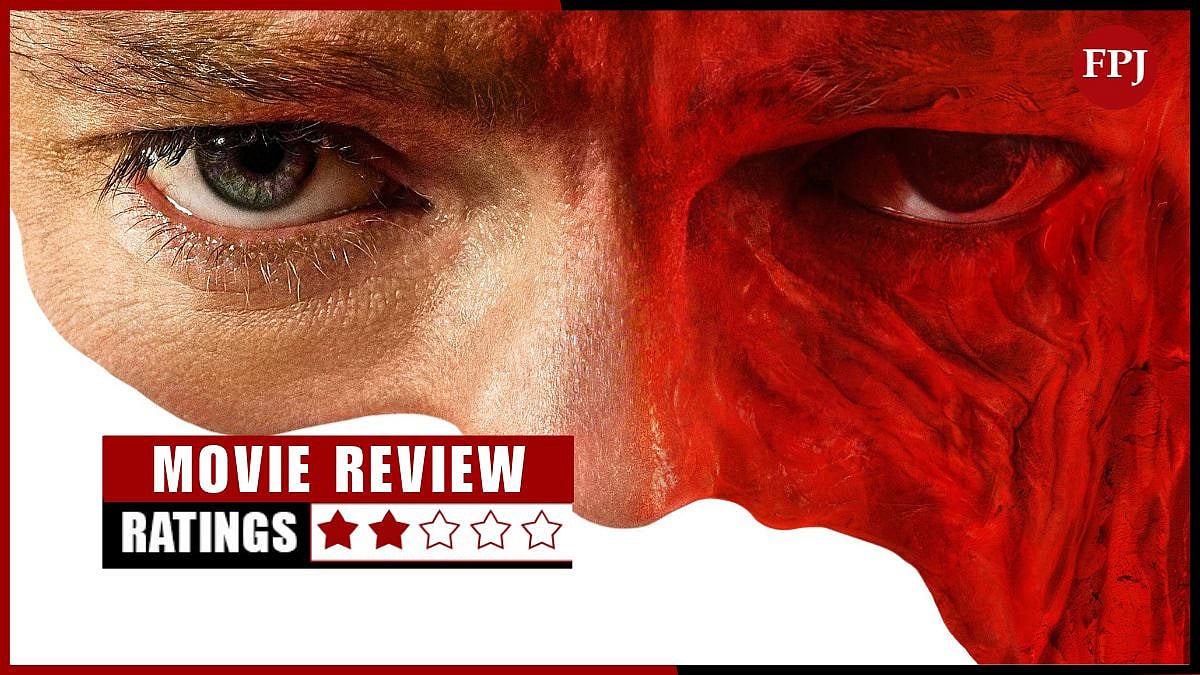
Title: Clayface
Director: James Watkins
Cast: Tom Rhys Harries, Naomi Ackie, Max Minghella, Eddie Marsan
Where: In theatres.
Rating: 2 Stars
Review
Hollywood can make a star overnight and discard him just as swiftly. Clayface, DC’s grisly detour into body horror, takes this familiar cruelty and gives it a decidedly gooey makeover, only to discover that melting flesh is easier to dramatise than a collapsing identity.
Matt Hagen (Tom Rhys Harries), an actor whose Oscar nomination signals his arrival, jeopardises his career by sleeping with a gangster’s girlfriend. His face is brutally mutilated, his professional circle abandons him, and his former life fades. Scientist Caitlyn Corr (Naomi Ackie) offers an experimental treatment that promises restoration, but instead transforms Matt into a shape-shifting instrument of revenge.
The premise offers fertile ground for exploring celebrity worship, vanity, artificial intelligence and the precarious relationship between appearance and identity. Unfortunately, the screenplay, credited to Mike Flanagan and Hossein Amini, flits between these ideas without developing any sufficiently. Matt’s journey from victim to monster should provoke moral unease; instead, the film repeatedly retreats into familiar revenge-thriller territory. His motivations grow murky, while the consequences of his transformation follow whatever rules the plot requires.
Director James Watkins delivers flashes of genuine horror but fails to sustain them, leaving an origin story that promises depth yet settles for gruesome spectacle.
Actors’ Performance
Harries brings vulnerability to Matt’s downfall, though the character’s abrupt shifts in temperament leave him with little emotional continuity. His performance is most persuasive when physical suffering, wounded pride and desperation compete for expression. Once vengeance takes over, the character becomes less compelling.
Ackie lends Caitlyn necessary seriousness, even when the script gives her scientific ambitions and personal complications too little room to breathe. Eddie Marsan makes an impression as Matt’s unscrupulous manager, while Max Minghella provides a steady presence as the investigating cop. The ensemble is capable enough; the writing, however, frequently leaves its actors negotiating dialogue that sounds more manufactured than spoken.
Music and Aesthetics
The film’s strongest asset is its makeup. Grotesque facial distortions, liquefying skin and unnatural bodily contortions deliver visceral discomfort. A disturbing sequence involving Matt’s eye and nail scissors should unsettle even seasoned horror enthusiasts.
Yet murky lighting and artificial-looking settings rob Gotham of menace. Occasional bursts of vivid colour and shadow hint at a more distinctive film struggling to emerge. The music fails to establish a consistent mood, while some stylistic choices feel dated.
FPJ Verdict
Overall, there is plenty here to make your skin crawl, but precious little to get under it.

