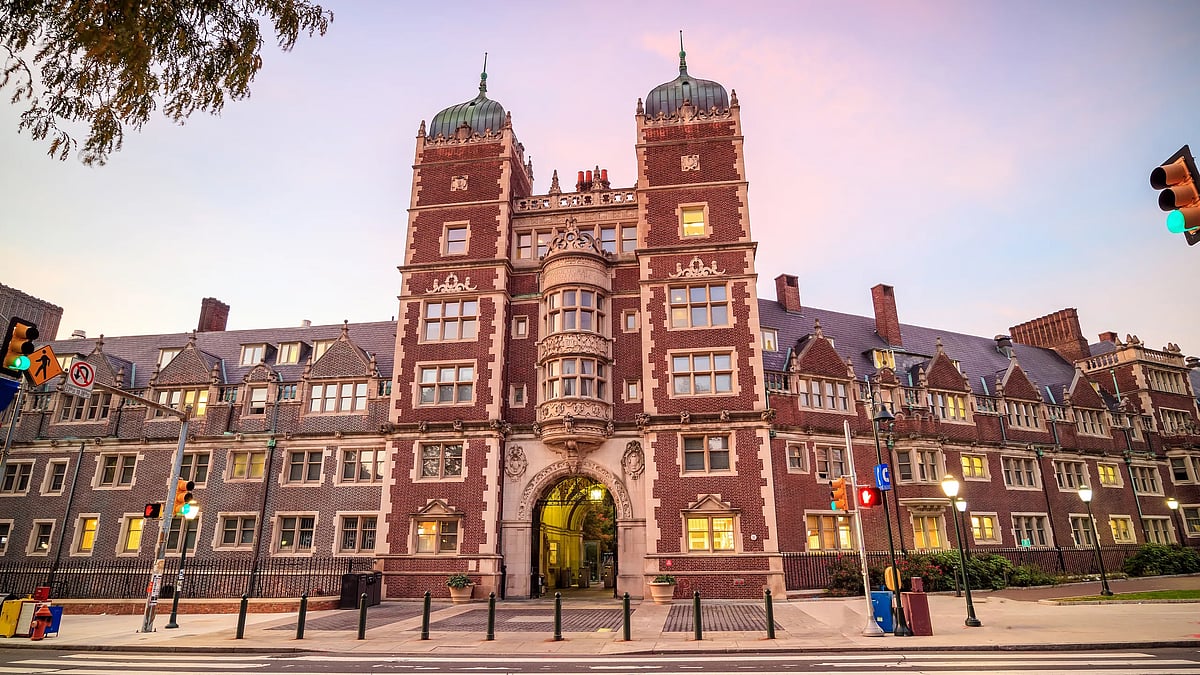
The University of Pennsylvania's School of Engineering and Applied Science has unveiled a groundbreaking Bachelor of Science in Engineering in Artificial Intelligence (AI) degree, marking the first undergraduate major of its kind within the Ivy League universities and one of the inaugural undergraduate degrees in Engineering and AI nationwide.
According to the university, the program will furnish students with essential mathematical and algorithmic foundations of AI techniques alongside practical experience in programming and utilizing AI tools. The curriculum emphasizes understanding intelligence from a cognitive science perspective and addresses the ethical considerations essential for the responsible development of AI to serve society's best interests.
Fostering Ethical AI Development
According to the Hindustan Times reports, students will have the opportunity to specialize in various concentrations, spanning from machine learning and vision and language to data and society, robotics, and AI and health systems.
Interim President of the University of Pennsylvania, J. Larry Jameson, lauded the program as a significant advancement for Penn engineers who are poised to spearhead the development and deployment of transformative technologies for the betterment of humanity.

Generous Support Paves the Way
"Penn Engineering has long been a pioneer in computing and education," noted Raj Singh, alongside his wife Neera, who have generously established the degree program. "We are thrilled to continue investing in Penn Engineering and the students who can best shape the future of this field."
The curriculum promises rigorous coursework encompassing machine learning, computing algorithms, data analytics, and advanced robotics.
The inaugural cohort of the program is scheduled to commence in the fall of 2024. Transfer applications for existing University of Pennsylvania students aiming to join the 2024 cohort will be accessible this fall, while fall 2025 applications for prospective students will be made available in the autumn of 2024.

