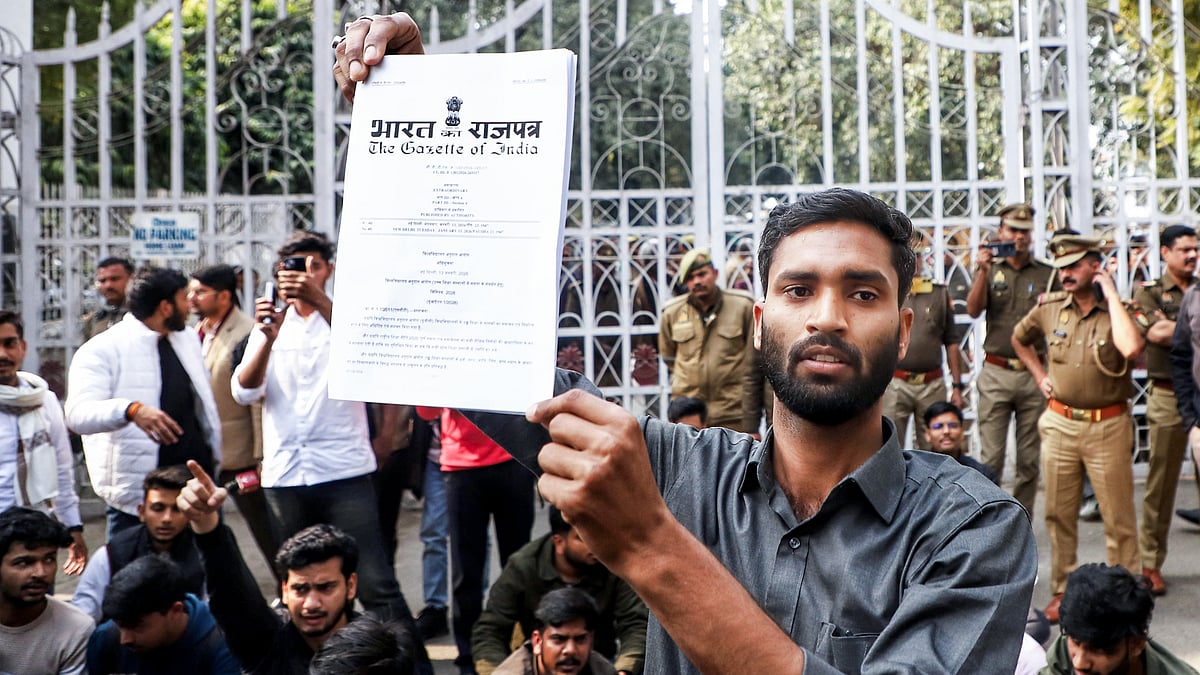
Mumbai: On Tuesday, the students flocked to the University Grants Commission’s (UGC) office in New Delhi over the recently released (Promotion of Equity in higher educational institute) 2026 regulation, tagging it as discriminatory. The new notification replaces its framework from 2012.
The regulation was released to bring harmony on the campuses of higher educational institutes, and bring their attention to the caste-based discrimination.
The regulations is a complete rulebook that the institutes are mandated to follow. Institutes are required to set up an equity committee consisting of members from the scheduled tribe (ST), scheduled class (SC), people with disabilities (PwD), women and other backward classes (OBC). The petition is based on the clause, as it consists of students of all the categories except for the students from the open category.
Two writ petitions were filed in the supreme court over the issue.
The first writ petition has been filed by Mrityunjay Tiwari, a post-doctoral researcher at Banaras Hindu University, Uttar Pradesh, assailing the University Grants Commission (Promotion of Equity in Higher Education Institutions) Regulations, 2026. A second petition was filed in the Supreme Court on Tuesday by advocate Vineet Jindal, challenging the constitutional validity of Regulation 3(c) of the 2026 regulations.
The petition argues that restricting the definition of “caste-based discrimination” exclusively to SC, ST and OBC communities denies equal protection of law and amounts to impermissible State discrimination.
The issue has also created a crack in the Bharatiya Janata Party, as Bareilly city magistrate resigned on Monday citing his dissatisfaction with the UGC regulations, even as several BJP workers in Lucknow also stepped down from the party over the issue.
The Akhil Bharatiya Vidyarthi Parishad (ABVP) is a Rastriya Swayam Sevak (RSS) affiliated organisation of students also demanded for clarification. In a statement, they have stated, “UGC’s ‘Promotion of Equity in HEIs Regulations, 2026’ is well-Intentioned, but Requires Clarity and Balance.”
Certain provisions and terminologies within these regulations have sparked ambiguity and misconceptions among society, students, and parents. ABVP urges the UGC to take immediate cognizance of these concerns and issue clarifications to prevent any divisive situations. Furthermore, as the matter is currently sub-judice, ABVP believes that UGC should promptly file an affidavit in court to clarify its stance.
ABVP’s National General Secretary Virendra Singh Solanki, stated "Ensuring harmony and equality within academic campuses is mandatory, a cause for which ABVP has always remained committed. There must be social equality for all sections of society in educational institutions, with no room for discrimination of any kind. However, there are prevailing misconceptions regarding these regulations among students, parents, and stakeholders. The UGC must engage in a dialogue with all stakeholders involved and provide immediate clarifications to dispel these doubts. Collective efforts from all sections of society are necessary to strengthen democratic values and ensure a discrimination-free environment for every student."
Also Watch:
“If there are members from all the categories except the open category, then it is discrimination against them,” said a member of the Akhil Bharatiya Vidyarthi Parishad (Mumbai).
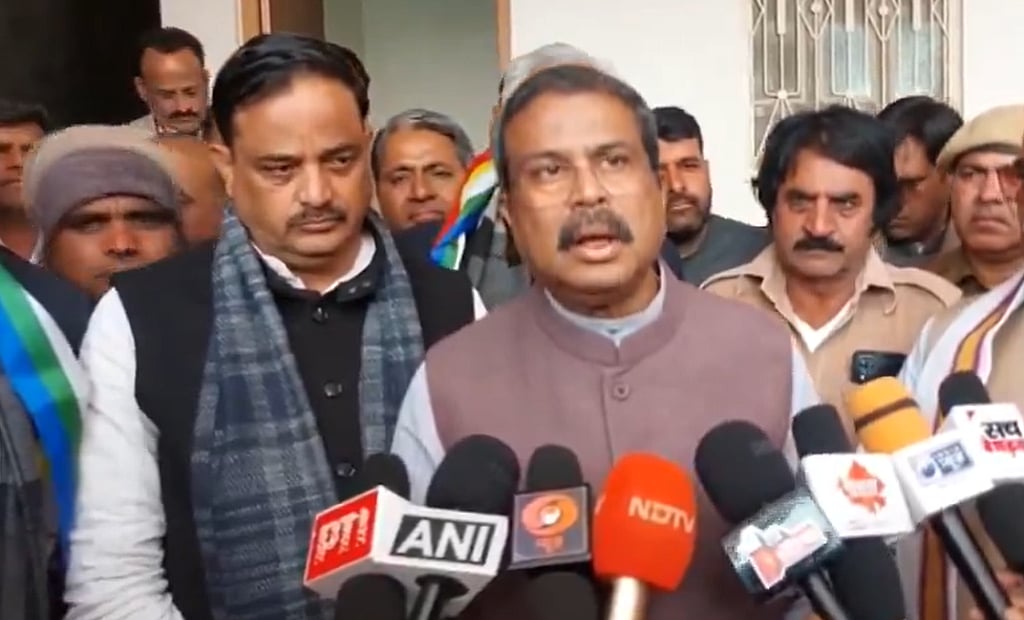
While Dharmendar Pradhan, the education minister of India, in a statement to the media said, “I would like to assure everyone that no misuse of the law in the name of discrimination will be allowed. Ensuring this is the responsibility of UGC, government of India and the state governments. All actions will be carried out in the ambit of the constitution.This matter is also under the supervision of the supreme court and I assure you that there will be no discrimination.”

