The Supreme Court on Tuesday refused to grant an interim stay on the Central Board of Secondary Education’s new language policy, which makes the study of at least two native Indian languages mandatory for students of Classes 9 and 10.
According the ANI report, the matter came up before a bench led by Chief Justice of India Surya Kant, which issued notice to the Central Board of Secondary Education (CBSE) on a batch of petitions challenging the policy. While the court did not pause implementation for now, it agreed to examine the issue in detail and listed the matter for hearing on July 15 and 16.
The decision has triggered fresh debate among parents, schools and education experts after CBSE formally rolled out the framework under the National Education Policy (NEP) 2020 and the National Curriculum Framework for School Education (NCFSE) 2023.
What is CBSE’s new language policy?
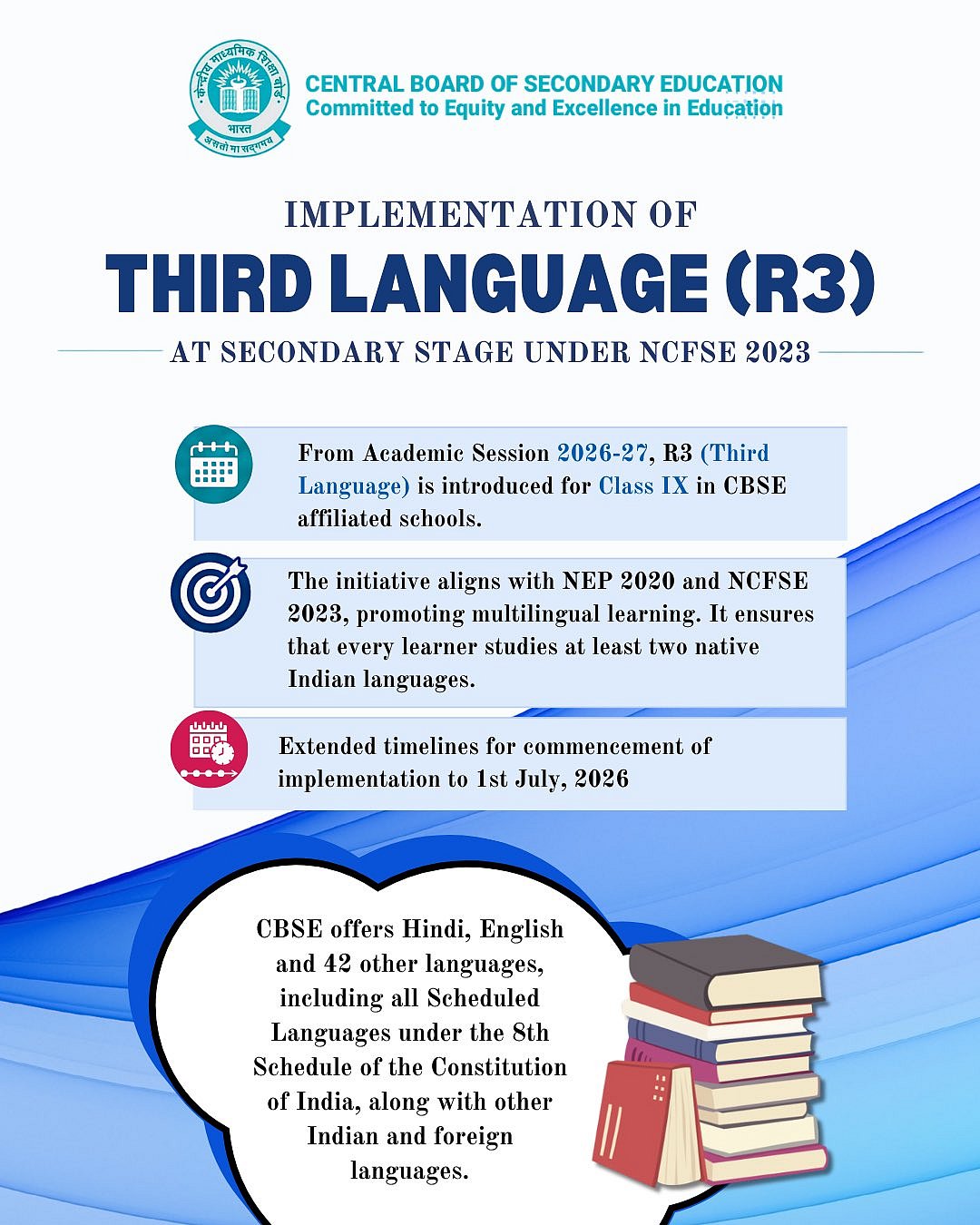
On May 22, 2026, CBSE released the official framework for implementing the third language (R3) at the secondary level from the academic session 2026-27.
Under the new structure, students in Classes 9 and 10 will study three languages, and at least two of them must be native Indian languages.
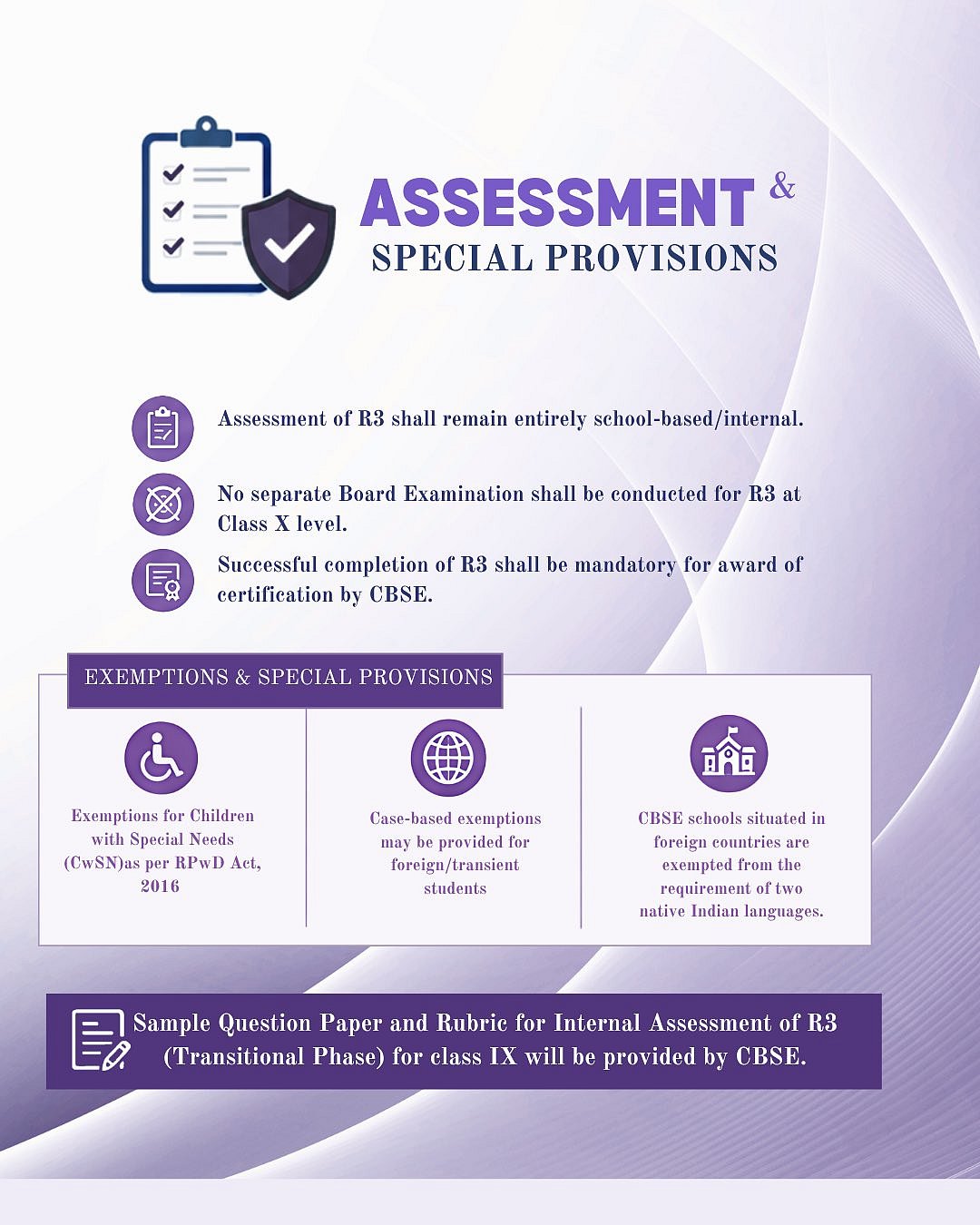
The policy applies to all CBSE-affiliated schools across India, except those located in foreign countries.
CBSE said the move aims to promote multilingual learning and strengthen Indian languages in line with NEP 2020.
How the three-language structure will work
The board has divided languages into three categories:
R1: Any language offered by CBSE
R2: A language different from R1
R3: A third language different from both R1 and R2
The board also shared sample combinations, including:
Hindi + English + Malayalam
English + Bengali + Hindi
Telugu + English + Sanskrit
Marathi + Kannada + English
For students who have not studied any native Indian language between Classes 6 and 8, studying one Indian language at the R3 level will become compulsory.
No board exam, but passing is mandatory
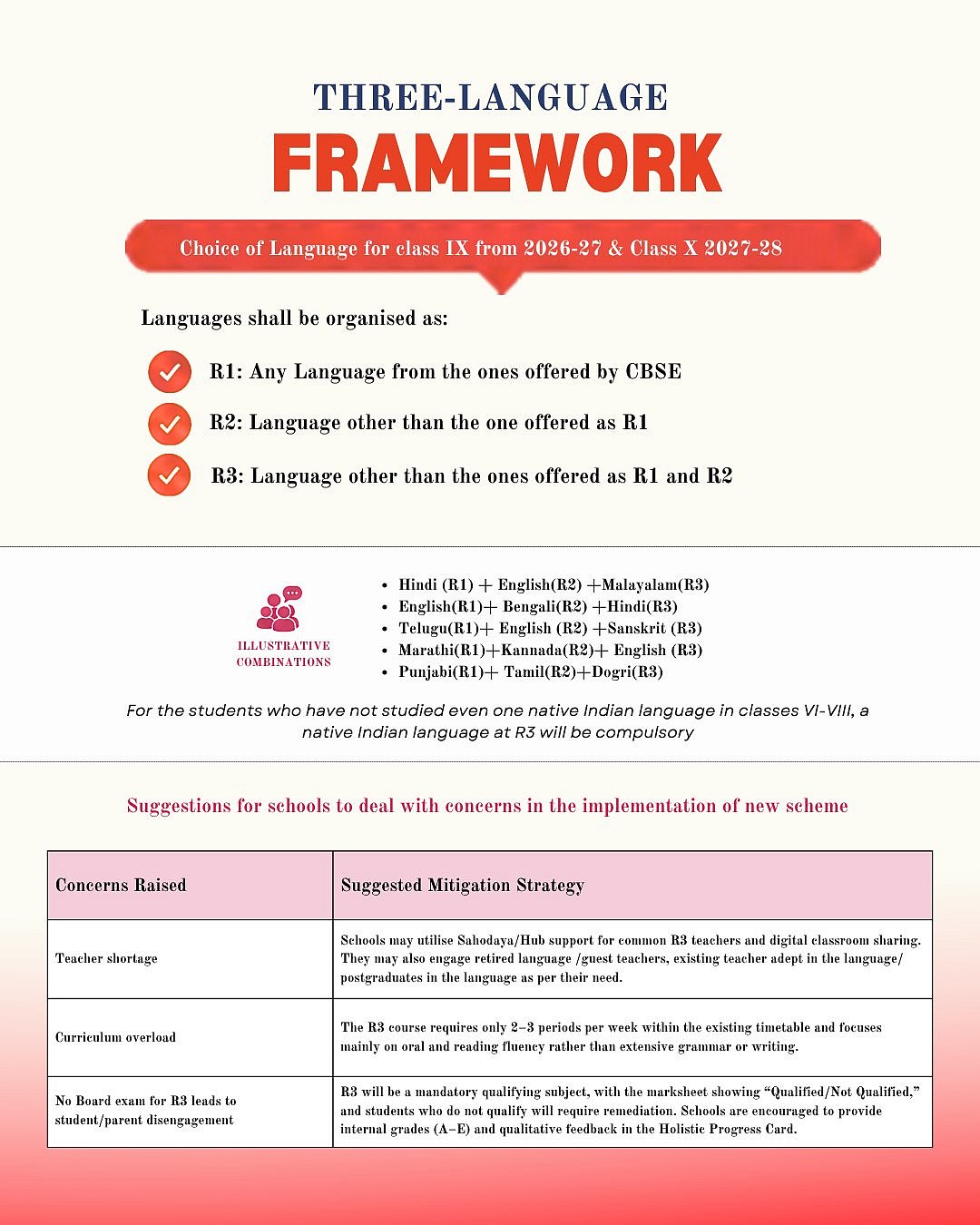
One of the most discussed aspects of the policy is that there will be no separate CBSE board examination for the third language in Class 10.
Instead, assessment will remain school-based and internal.
However, students will still have to qualify in the subject to receive CBSE certification. The marksheet will mention “Qualified” or “Not Qualified”, and students who fail may require remediation support.
CBSE has also allowed schools to provide internal grades and qualitative feedback in students’ Holistic Progress Cards.
Schools raise concerns over teachers, workload
Even before the policy reached the Supreme Court, several schools and parents had raised concerns over implementation challenges.
Among the biggest concerns are:
shortage of language teachers
increased curriculum pressure
lack of student interest in a subject without a board examination
To address this, CBSE suggested schools could share language teachers through Sahodaya school networks, use digital classrooms, or hire retired and guest language teachers.
The board also clarified that the R3 subject will require only two to three periods a week and will focus more on oral and reading fluency instead of extensive grammar or writing work.
Phased rollout from 2026
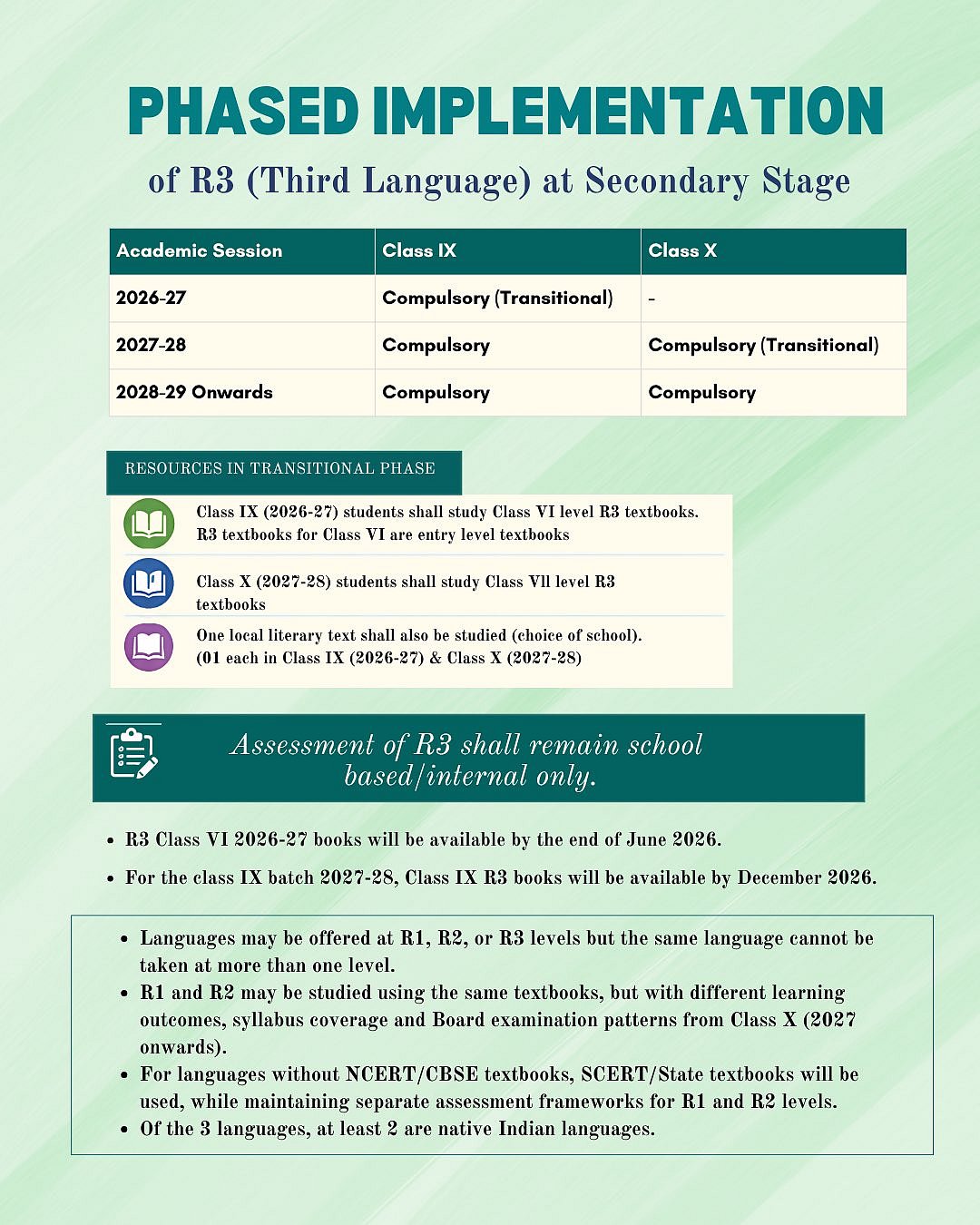
The policy will be implemented in phases:
Class 9 students from 2026-27
compulsory implementation in Class 10 from 2027-28 onward
During the transition phase, students will initially study simplified entry-level textbooks.
CBSE said Class 6-level R3 books for the first batch will be available by the end of June 2026.

