
Pralhad Joshi has assumed additional charge as India's Union Education Minister following the resignation of Dharmendra Pradhan on 25 July 2026, who accepted moral responsibility for the NEET-UG paper leak crisis. While Joshi continues to oversee Consumer Affairs, Food and Public Distribution, and New and Renewable Energy, his latest portfolio may prove to be his most challenging. Restoring public faith in India's education system is now his greatest test. "The series of education controversies in 2026 has tarnished India's academic reputation and left young people frustrated and disillusioned. It undermines the years of dedication by teachers and lecturers who inspire students to believe that hard work and merit are the pathways to success. Restoring faith in the education system must now become a national priority," opines Dr Sobhana Nair, educationist.
That trust has been severely shaken. In 2026, the Maharashtra Teacher Eligibility Test was postponed after a paper leak was uncovered in Thane, prompting an SIT investigation. The CBSE's hurried rollout of its on-screen marking system attracted widespread criticism over blurred answer scripts, missing pages and serious evaluation errors. The biggest setback came with NEET-UG, where a paper leak affecting more than 2.27 million aspirants led to the examination being cancelled, a nationwide retest and a CBI probe.
"When the education system fails, it puts millions of dreams and careers at risk. Students, parents, teachers and all stakeholders bear the emotional burden, and for some, the consequences can be tragic. The new Education Minister has inherited more than a portfolio—he has inherited a crisis of trust. Whether he can restore faith in India's education system, only time will tell," feels Dr Sharmila L, psychologist.
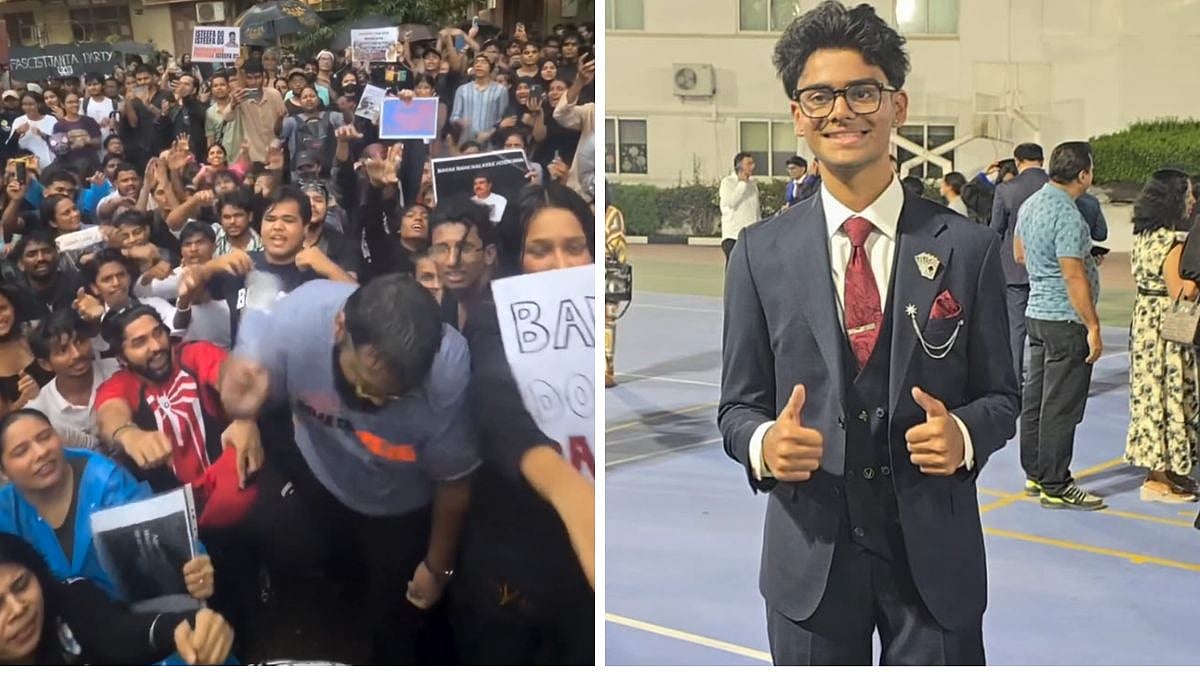
The fallout extended beyond examination centres. A remark by Supreme Court judge Surya Kant, widely perceived as comparing unemployed youth to "cockroaches", ignited an unexpected protest movement. Although the judge later clarified that he was referring to those using fraudulent degrees, young Indians reclaimed the term in protest. Political strategist Abhijeet Dipke channelled that sentiment into the satirical Cockroach Janta Party, which rapidly became the face of youth anger over paper leaks, unemployment and institutional failures.
The events of 2026 underline a hard truth: examinations are not merely tests of students—they are tests of governance. Rebuilding credibility will require more than a change of minister. It demands secure examinations, transparent systems, accountability at every level and, above all, the restoration of trust that millions of students and parents have lost.

