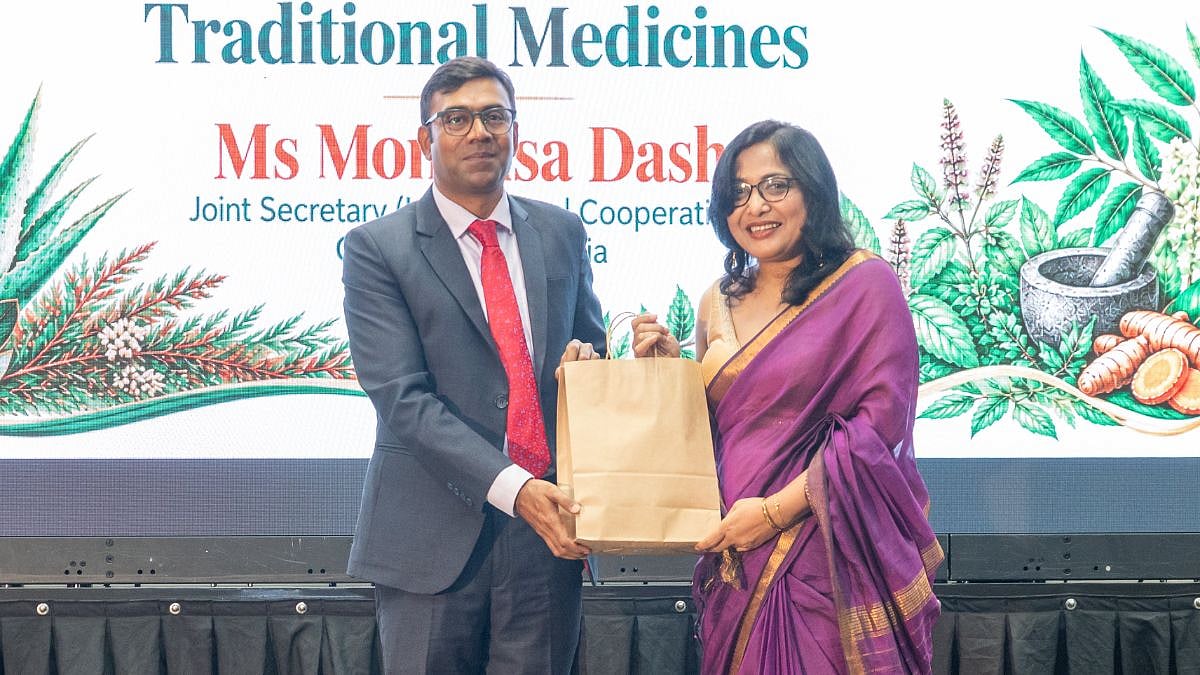
Johannesburg: India is looking to establish an Ayush chair at a South African university as part of efforts to deepen cooperation in traditional medicine, a senior government official has said.
The proposed chair at the Durban University of Technology would promote the integration of Ayurveda and other Ayush systems into health education and facilitate academic exchanges between the two countries.
India has already signed a Memorandum of Understanding (MoU) for establishing the chair, Monal Das, Joint Secretary for International Cooperation in the Ministry of Ayush, told a two-day conference in Durban at the weekend.
“If the South African government agrees, then we can establish this,” Das said.
Ayush refers to India's traditional and complementary systems of medicine, including Ayurveda, Yoga and Naturopathy, Unani, Siddha and Homoeopathy.
Das said India has already established such chairs in Malaysia, Australia and Mauritius, while similar initiatives are being pursued in several other countries.
She said the chairs are intended to integrate Ayush knowledge into global health education and enable medical practitioners to adopt an integrated approach to patient care.
Das also called for mutual recognition of traditional medicine systems and pharmacopoeial standards to facilitate the availability and practice of traditional medicines in both countries.
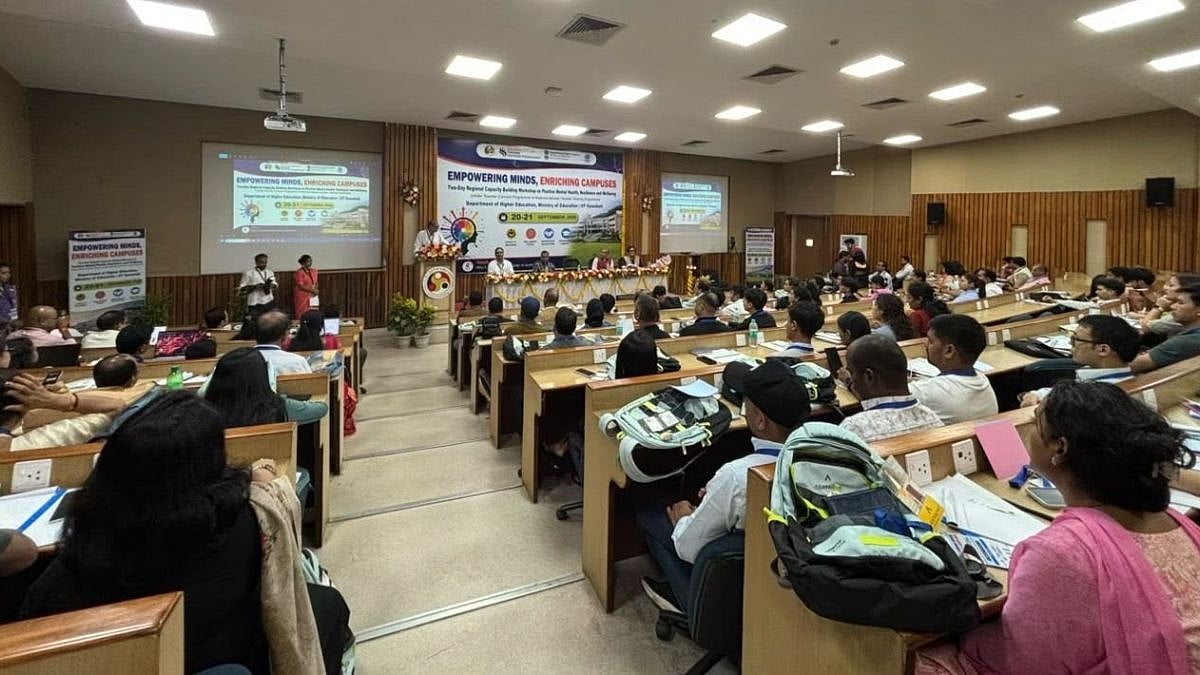
Addressing concerns over the safety, efficacy and standards of Ayurvedic medicines, she said India has regulatory mechanisms governing medicines available in the market and offered Indian assistance to South Africa and other African countries in developing their regulatory frameworks.
Das also identified research, preventive healthcare and trade in Ayush products and herbal medicines as potential areas for greater India-Africa cooperation.
During the conference, Consul General of India in Durban Nitin Subash Yeola announced the inauguration of an Ayush Information Cell at the Indian consulate.
Yeola said the cell would serve as a focal point for engagement on Ayush and traditional medicines in Durban, KwaZulu-Natal and neighbouring provinces, and help connect South African stakeholders with relevant institutions in India.
South African official Tandaza Shandu, meanwhile, stressed the need to ensure that indigenous communities benefit fairly from traditional knowledge and that such knowledge is protected from loss and commercial exploitation.
(Except for the headline, this article has not been edited by FPJ's editorial team and is auto-generated from an agency feed.)

