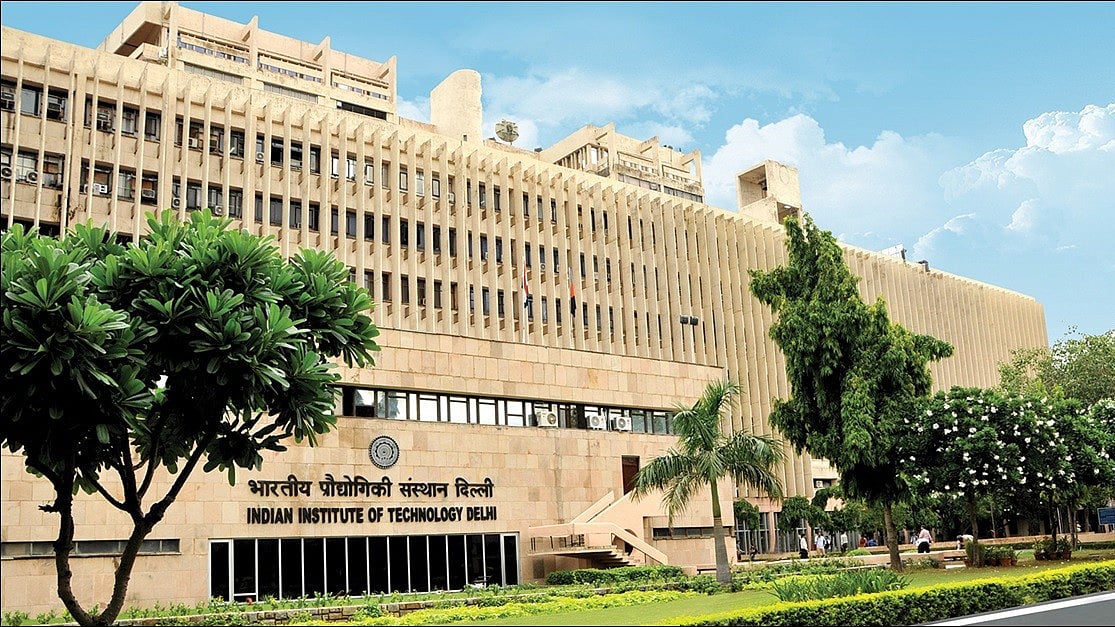
The Indian Institute of Technology Delhi (IIT Delhi) has said it has removed the minimum CGPA requirement for awarding the B.Tech degree, with the change effective from the 2024-25 academic year.
The institute made the disclosure in a press release issued on August 27, 2026, outlining several measures already implemented to strengthen student well-being, academic flexibility, mentorship, mental healthcare and grievance redressal on campus.
According to IIT Delhi, the measures are aimed at creating an academic environment in which students feel supported and have access to assistance when facing academic or personal challenges.
IIT Delhi removes minimum CGPA requirement for B.Tech
As part of its academic reforms, IIT Delhi said it has removed the minimum CGPA criterion for the B.Tech degree from the 2024-25 academic year.
The institute has also introduced changes to reduce academic pressure under its new curriculum, implemented in 2025.
These include:
Reduced credit load during the first semester.
Introduction of life skills courses.
Capping first-year departmental classes at 30 to 60 students.
Minimising weekend examinations.
Maintaining flexibility in credit distribution.
IIT Delhi said these measures are intended to minimise student stress while providing greater curricular flexibility.
Mental healthcare support available round-the-clock
The institute said its mental healthcare infrastructure provides 24/7 support through counsellors and psychiatrists, including experts from institutions such as AIIMS and VIMHANS.
The support system includes:
Round-the-clock counsellors and psychiatrists.
Fully reimbursed external mental healthcare.
A rapid emergency response protocol.
Academic Unit Wellness Committees (AUWCs).
Confidential counselling channels.
The institute said student well-being remains a priority and that it will continue strengthening its support systems.
Buddy programmes expanded
IIT Delhi has also expanded its student mentorship programmes.
The UG Buddy Programme has been extended to include:
PG Buddy Programme
International Buddy Programme
The expanded initiatives were introduced in 2025 to provide students with additional peer support and help them navigate academic and campus life.
The institute also highlighted the work of the National Resource Centre for Value Education in Engineering (NRCVEE), which has incorporated yoga and meditation modules as part of its long-term wellness initiatives since 2001.
More faculty-student interaction
The institute said faculty interaction with students is being strengthened through the Student-Teacher Interaction Council (STIC).
Regular semester-wise student-faculty get-togethers are organised, while faculty members engage with students through:
Open-door office hours
Project guidance
Hostel involvement
Class Committee feedback mechanisms
The institute said these channels are intended to give students opportunities to raise concerns and interact directly with faculty members.
Academic support for students facing backlogs
IIT Delhi's Academic Progress Group (APG) has been providing additional academic assistance since 2023.
The support includes:
Evening tutoring
Assistance with academic difficulties
Credit-backlog support
Student representation and welfare are also supported through bodies such as the Student Affairs Council (SAC) and the Co-curricular Academic Interaction Council (CAIC).
Multiple channels for grievance redressal
The institute said students can raise complaints through several mechanisms.
These include:
A centralised, reference-tracked ERP portal
Board for Student Welfare (BSW)
SC/ST Cell
OBC Cell
Hostel wardens
Internal Complaints Committee
Confidential counselling channels
IIT Delhi said these mechanisms are intended to ensure that student complaints can be tracked and addressed through appropriate channels.
Focus on diversity & inclusion
The institute has also highlighted measures aimed at promoting diversity, inclusion and awareness about discrimination.
The Office of Diversity and Inclusion (ODI) has been conducting non-discrimination and accessibility initiatives since 2022.
Freshers also undergo sensitisation programmes conducted by initiatives and offices including:
Initiative for Gender Equity and Sensitisation (IGES)
Initiative for Caste Equity (ICE)
Office of Accessible Education (OAE)
The programmes address potential biases related to caste, gender, language, region and ethnicity.
IIT Delhi said it will continue to strengthen its academic and student-support systems, with student welfare and mental well-being remaining a key priority.

