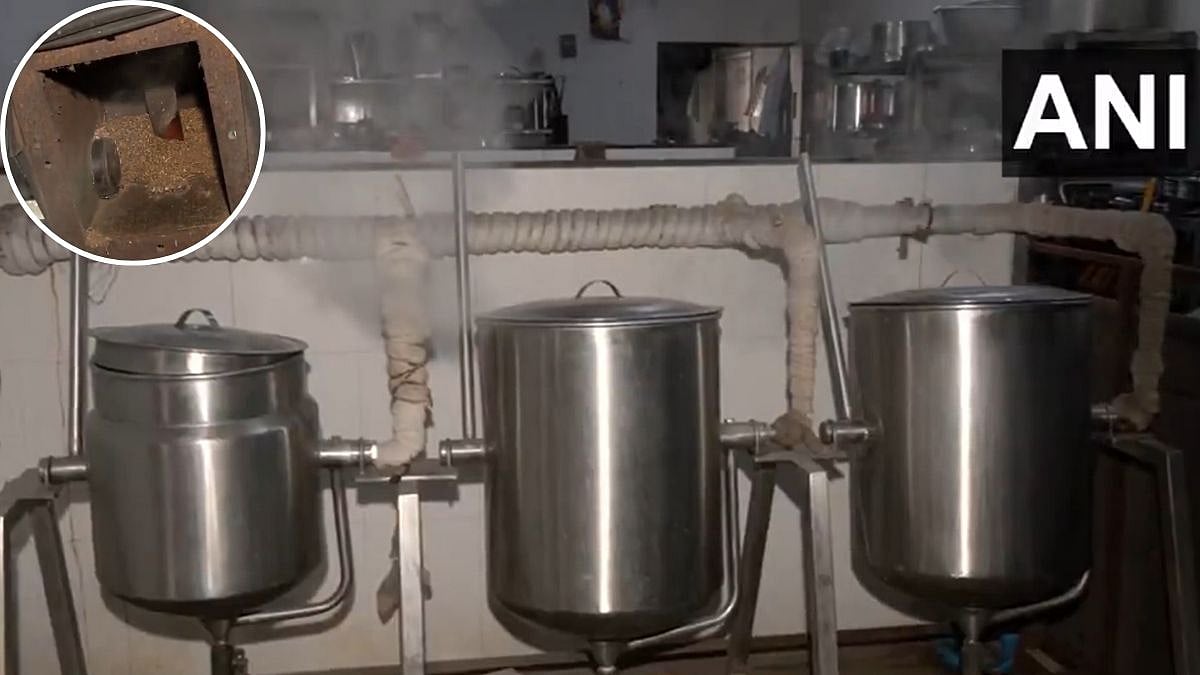
Mumbai, March 31: Amid rising global energy costs, the Indian Institute of Technology (IIT) Bombay has developed an innovative waste-to-energy solution that converts fallen leaves into cooking fuel, significantly reducing dependence on LPG across its campus.
Decade-long research leads to innovation
The initiative, which began in 2014, is the result of a decade-long research effort led by Prof. Sanjay Mahajani from the Department of Chemical Engineering.
With large quantities of dry leaf waste generated due to the institute’s green cover, the team explored ways to convert this biomass into usable energy. Their work led to the development of a gasifier capable of transforming campus waste into a viable cooking fuel.
Overcoming technical challenges
However, the journey was far from smooth. Early trials were marked by heavy smoke, operational challenges, and resistance from kitchen staff. A key technical hurdle was the formation of clinkers—solid residues that clogged conventional systems.
Despite these setbacks, continuous refinement led to a breakthrough in 2016, when the team patented a gasifier that drastically reduced clinker formation, making the system efficient and practical.
Improved system and campus implementation
The project gained further momentum with the involvement of Prof. Sandeep Kumar from the Department of Energy Science and Engineering, who contributed to the design of an improved burner.
Implemented under the institute’s Living Lab initiative, the system underwent extensive testing, safety audits, and gradual acceptance among users.
Reduced LPG use and lower emissions
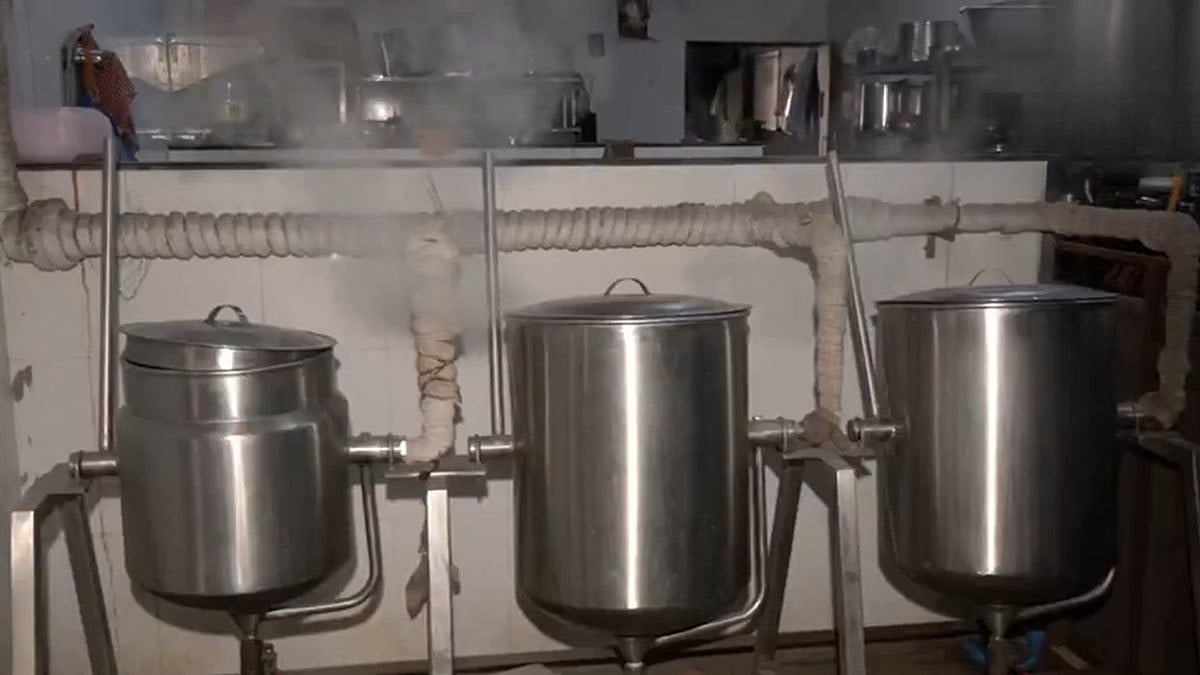
Today, IIT Bombay’s staff canteen operates using 30–40 per cent less LPG, achieving around 60 per cent thermal efficiency with minimal emissions. The system also ensures uninterrupted cooking even during LPG supply disruptions and reduces nearly eight tonnes of carbon dioxide emissions annually.
Expansion and future applications
The technology, now licensed to Infixen Energy Pvt. Ltd., is set to expand to hostel mess, where it could save up to ₹50 lakh annually and significantly cut carbon emissions. The institute is also exploring wider applications in industries and large-scale kitchens.
Also Watch:
Additional sustainability efforts
In addition, IIT Bombay runs a biomethanation plant established in 2019 that processes around two tonnes of wet kitchen waste daily, further advancing its commitment to sustainable, self-reliant energy solutions.
To get details on exclusive and budget-friendly property deals in Mumbai & surrounding regions, do visit: https://budgetproperties.in/

