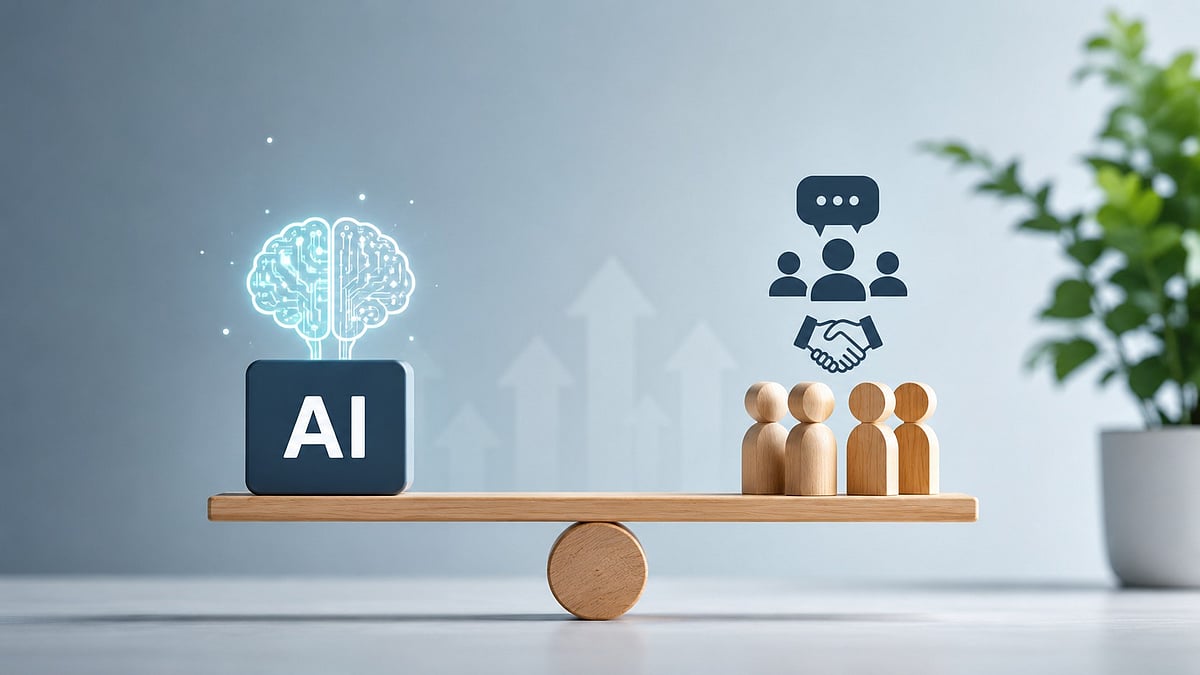
Artificial intelligence is fast revolutionising workplaces in different sectors; however, what employers anticipate in future employees is far more than just knowledge of AI. According to the most recent Corporate Recruiters Survey by the Graduate Management Admission Council (GMAC), firms want MBAs who not only have knowledge of artificial intelligence but are also excellent communicators and problem-solvers.
This survey has been conducted among over 600 corporate recruiters from 39 countries, and the result revealed that technology, AI, and data analysis have become more important during the last year. Nevertheless, employers still emphasize the importance of human qualities, which cannot be substituted with technological ones.
Most of the recruiters who participated in the survey work for Global Fortune 500 companies, offering a broad perspective on the changing expectations of employers worldwide.
Human skills continue to drive hiring decisions
Even as employers recognize that AI is now increasingly becoming an integral part of modern business, they hold that communication abilities, problem solving and adaptability continue to be the best predictors of success in the workplace.
The report notes that in the coming five years, skills in using AI technology and strategic thinking will be among the top skills for business graduates. Instead of displacing workers, AI technology will undertake mundane tasks so that employees can concentrate on decision making, innovating and leadership.
From Graduate Management Admission Council's report, employers are looking for graduates who have been taught to use AI technology together with characteristics like good judgment, teamwork and people management.
Skill gaps among graduates
In the survey, it was established that the majority of employers think that graduates are well-prepared enough to enter the world of work in modern society. Nonetheless, there were identified some skills which are missing among recent graduates according to recruitment specialists.
Some of the most significant deficiencies include AI skills, emotional intelligence, resilience, grit, and human capital management. Employers also said that modern graduates lack professionalism when compared to their predecessors.
Commenting on the findings, Joy Jones said the professionals who will succeed in the future are those who treat emerging technology as a tool to enhance their work rather than as a threat. She added that employers are increasingly seeking graduates who can combine technological expertise with communication, resilience, leadership and good judgment.
Business schools retain employer confidence
Despite evolving workplace demands, employer confidence in business education remains strong. Every recruiter surveyed said they have some level of confidence in graduate management education and believe business school graduates bring value to their organisations.
The report also highlights changing international hiring trends. Employers in Europe and Asia are becoming increasingly open to recruiting internationally mobile talent, while employer sponsorship in the United States has declined in recent years. At the same time, nearly one-third of U.S. employers plan to hire international professionals for positions based outside the country, suggesting that global career opportunities continue to expand.
The survey reinforces a message that has become increasingly relevant in the AI era: technical skills may help candidates enter the job market, but communication, leadership, critical thinking and the ability to work effectively with people remain the qualities employers value the most.

