Days after the death of seven people in the Satya Niketan PG building collapse, the Delhi government has proposed a new regulatory framework for paying guest accommodations across the capital.
The proposed ‘Paying Guest Accommodation Regulation and Welfare Bill’ seeks to bring PGs under a formal system covering registration, rent, security, safety standards and grievance redressal.
The framework is aimed particularly at major student and coaching hubs such as Mukherjee Nagar, Laxmi Nagar, Rajendra Nagar and North Campus, where large numbers of students depend on private PG accommodation.
Mandatory PG Registration Within 90 Days
According to the media reports, under the proposed framework, every PG operating in Delhi would have to register and obtain an operating licence from the concerned zoning authority within 90 days.
Operators would need to obtain no-objection certificates (NOCs) from the police, municipal corporation and local administration as part of the registration process.
Each approved accommodation would be allotted a unique Paying Guest Registration Number (PGRN). Details of verified PGs would then be made available through a proposed single-window digital platform.
The move is intended to create a formal database of PG accommodations and make it easier for students to verify whether a property is authorised before taking accommodation.
Rent, Security Deposit Rules Proposed
The proposed bill also seeks to regulate rental practices and address complaints of high deposits and arbitrary rent demands.
A Rent Regulation Committee has been proposed to establish area-wise rent bands for PG accommodations.
Under the proposal:
PG operators cannot charge more than three months' rent as a security deposit.
Advance rent would also be capped at three months.
Tenants would have to provide a 30-day notice before leaving the accommodation.
Operators would not be permitted to charge different rents based on gender, caste, religion or state of origin.
These provisions are aimed at bringing greater transparency to the financial arrangements between PG operators and students.
CCTV, Security Guards to be mandatory
Safety requirements form a major part of the proposed legislation.
CCTV cameras would be mandatory at all entrances and common areas of registered PG accommodations. Operators would have to preserve the recorded footage for 30 days.
PGs housing 15 or more students would also be required to deploy security guards during the night.
The proposed framework further calls for:
Maintenance of visitor registers.
Availability of a warden within a 500-metre radius.
Compliance with prescribed safety and security standards.
GovPG Portal To List Verified Accommodations
The government has proposed a dedicated GovPG portal that would allow students to access information about verified PG accommodations.
The portal is expected to provide details such as rent, available amenities and security arrangements.
Students would also be able to lodge complaints anonymously through the platform. A proposed compliance rating for individual PGs would allow students to assess the safety and regulatory record of an accommodation before choosing it.
Colleges, Coaching Centres May Join Monitoring System
The proposed framework also gives educational institutions a role in monitoring PG accommodations.
An Institutional Accommodation Committee (IAC) has been proposed, with representation from faculty members, students, police and municipal officials.
These committees would inspect PG accommodations every quarter. The proposal also sets a target of 15 working days for resolving disputes.
The government has additionally proposed incentives for operators that maintain a strong compliance record.
PG operators demonstrating satisfactory compliance for two consecutive years could become eligible for property tax exemptions, easier access to loans and a ‘Certified Student-Friendly PG’ badge.
The proposal also suggests seeking GST relief for compliant PG operators from the GST Council.
Satya Niketan Collapse Highlights PG Safety Concerns
The proposed legislation comes in the aftermath of the deadly Satya Niketan building collapse, which has raised fresh concerns over the safety and regulation of PG accommodations in Delhi.
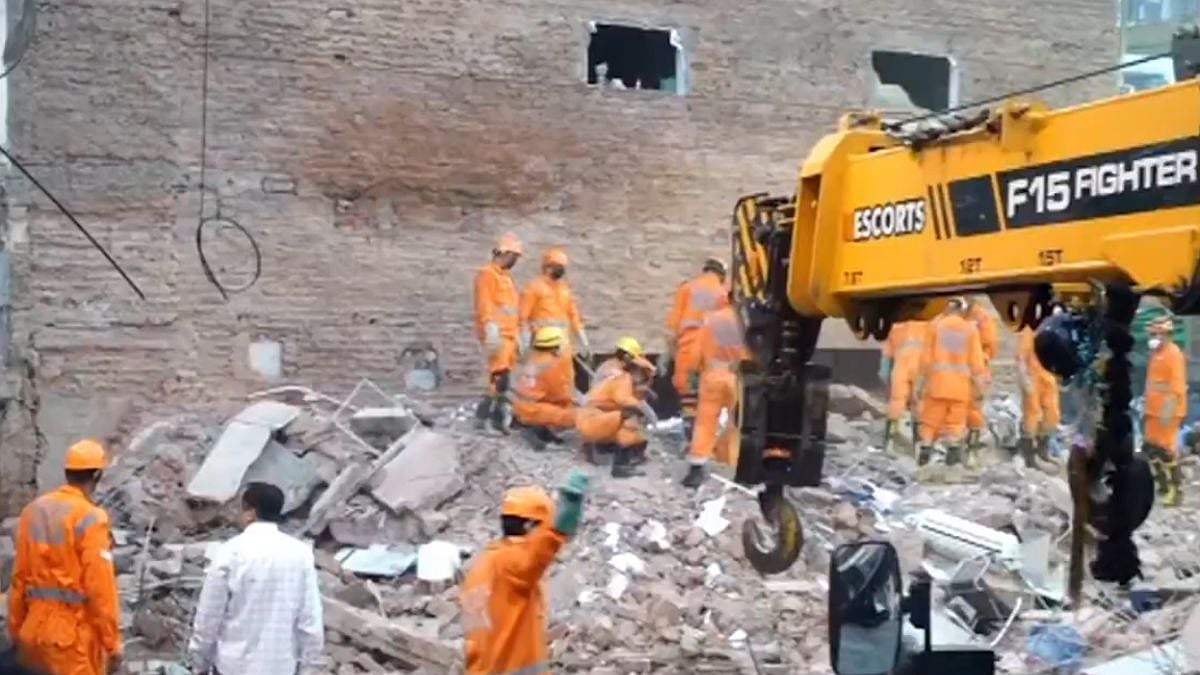
A five-storey building housing a boys' PG collapsed in Satya Niketan while repair work was underway in the basement. A rescue operation lasting around 27 hours ended with 12 people being pulled out of the debris. Seven people died and five were injured.
The incident has led to action against the property's owners and operators and increased scrutiny of construction and safety violations.
Five people have so far been arrested in connection with the collapse, including the building's owner Hari Ram Gupta, his wife Urmila Gupta, their son Mahesh Gupta, labour contractor Sanoj and PG operator Sudhanshu. Another PG operator, Shubham Tyagi, remains absconding.
The MCD has also started demolishing parts of adjoining buildings as a precaution after neighbouring structures were found to pose safety risks. Adjacent PG accommodations were earlier evacuated following reports of cracks and structural instability.
Other Safety Incidents Cited
The proposed framework refers to several incidents and complaints to underline gaps in Delhi's existing PG system.
These include the 2024 basement incident in Old Rajendra Nagar, fire and safety violations reported in PGs in Mukherjee Nagar, and complaints relating to sexual harassment, hidden cameras and arbitrary electricity charges.
The proposed bill seeks to establish minimum safety standards, bring greater transparency to rental arrangements and create a formal mechanism for students to raise complaints.
At the same time, the proposal recognises practical challenges, including bringing small and informal PG operators into the regulatory system, securing NOCs from multiple agencies, operating a centralised digital portal and determining fair rent bands for different areas.
If implemented, the proposed framework would mark a significant shift towards formal regulation of Delhi's largely fragmented PG accommodation sector.

