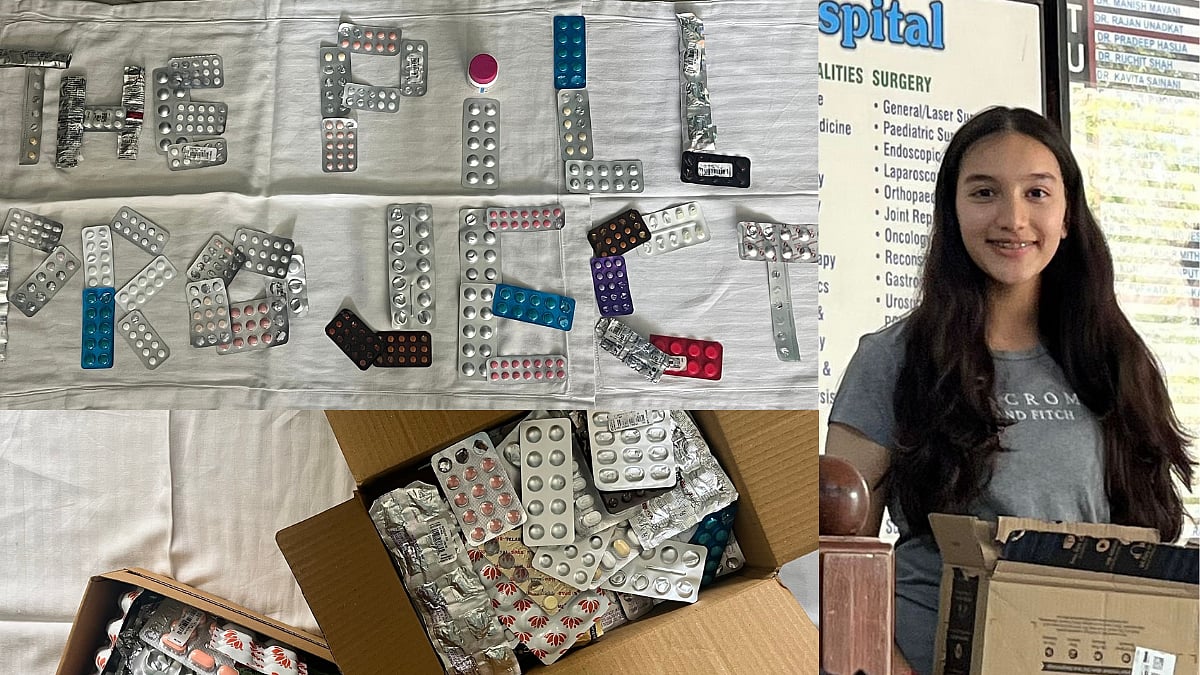
Mumbai: What began as a simple observation during a hospital internship has grown into a medicine donation initiative that has already collected and redistributed more than 9,600 unused pills worth around ₹1.1 lakh.
Seventeen-year-old Kaira Desai, a Grade 11 student at Dhirubhai Ambani International School, launched The Pill Project in April 2025 after noticing something that stayed with her. During breaks at a hospital where she was interning, she often saw long queues outside the charity cell.
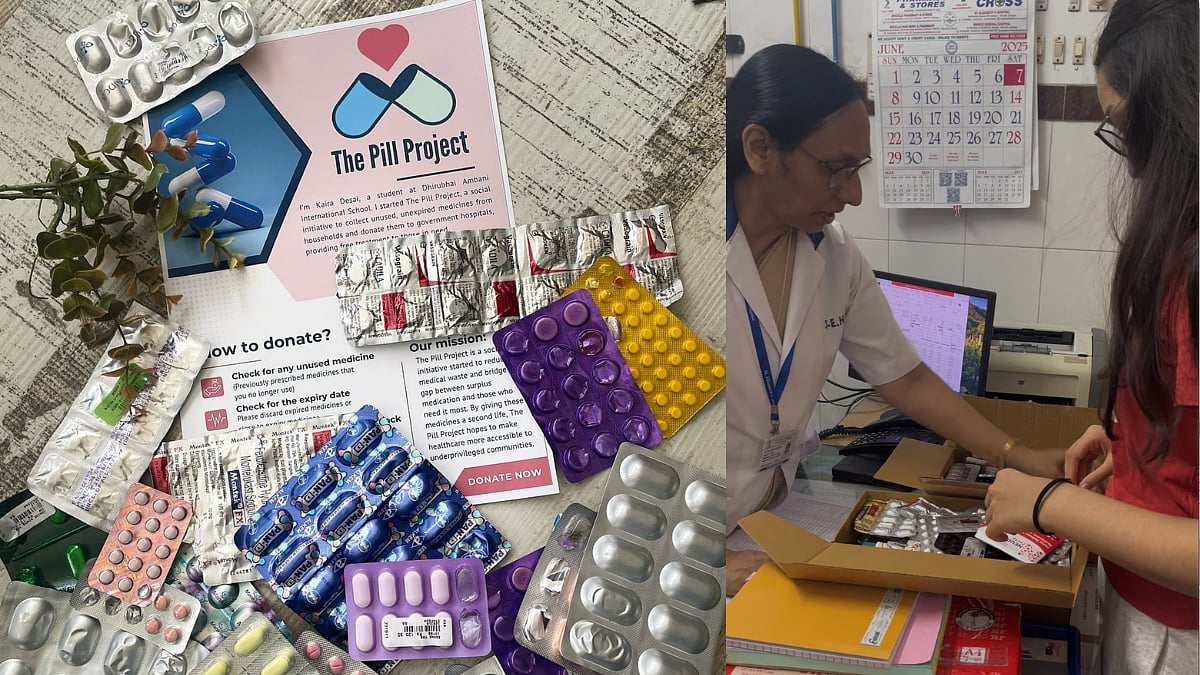
"I kept wondering why so many people were waiting there. Then I realised many of them couldn't afford even basic medicines," she recalled.
At the same time, she thought about the medicines lying unused in households after treatments end. "We often buy full strips or bottles, use only part of them and then forget about the rest until they expire. Meanwhile, there are people who genuinely need those medicines," she said.
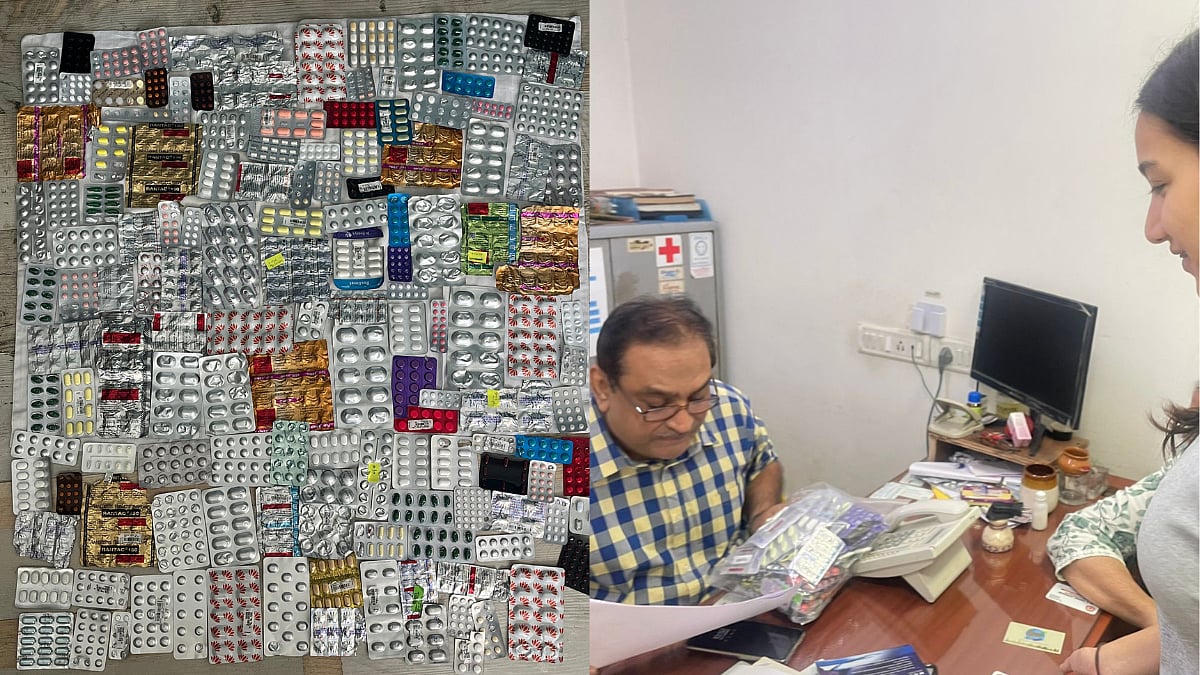
Turning unused medicines into a resource
In a bid to fulfil her biological interests and her need for community service, Desai resolved to close the gap. Using her The Pill Project, she gathers used medicines from individual homes and gives them to health facilities where they will be put to use.
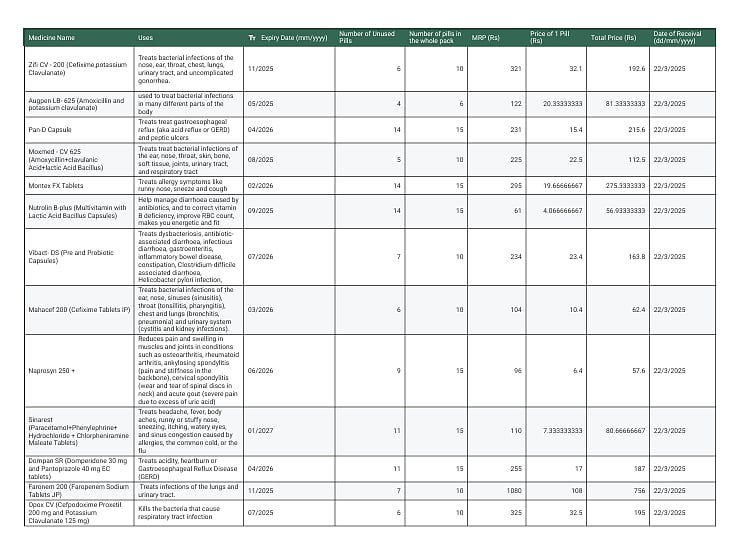
The project keeps records of all the medications donated, their names, uses, expiry dates, quantities, value on the market and the time when collected. The total number of pills collected so far stands at 9,609 with an estimated value of ₹1,10,000.
Some of the drugs collected include anti-infection agents, anti-inflammatory agents, antidiabetic, cardiac, anti-allergic and digestive, among others. Some donations have also included inhalers, injections and Ayurvedic products.
Building trust one donation at a time
Getting the project off the ground was not easy. Desai initially went door-to-door in her residential building, distributing pamphlets and explaining the concept to residents.
"Only one or two people donated medicines at first," she said. "That's when I realised awareness was the biggest challenge."
She later turned to social media, sharing information about the initiative and encouraging people to donate unused medicines. Her first collection drive yielded around 600 pills.
At the time, she considered it a major achievement. Since then, the project has expanded steadily through word-of-mouth recommendations, social media outreach and community participation.
Today, medicines are donated almost daily, with residents contacting her through details shared on pamphlets, social media pages and the project's website.
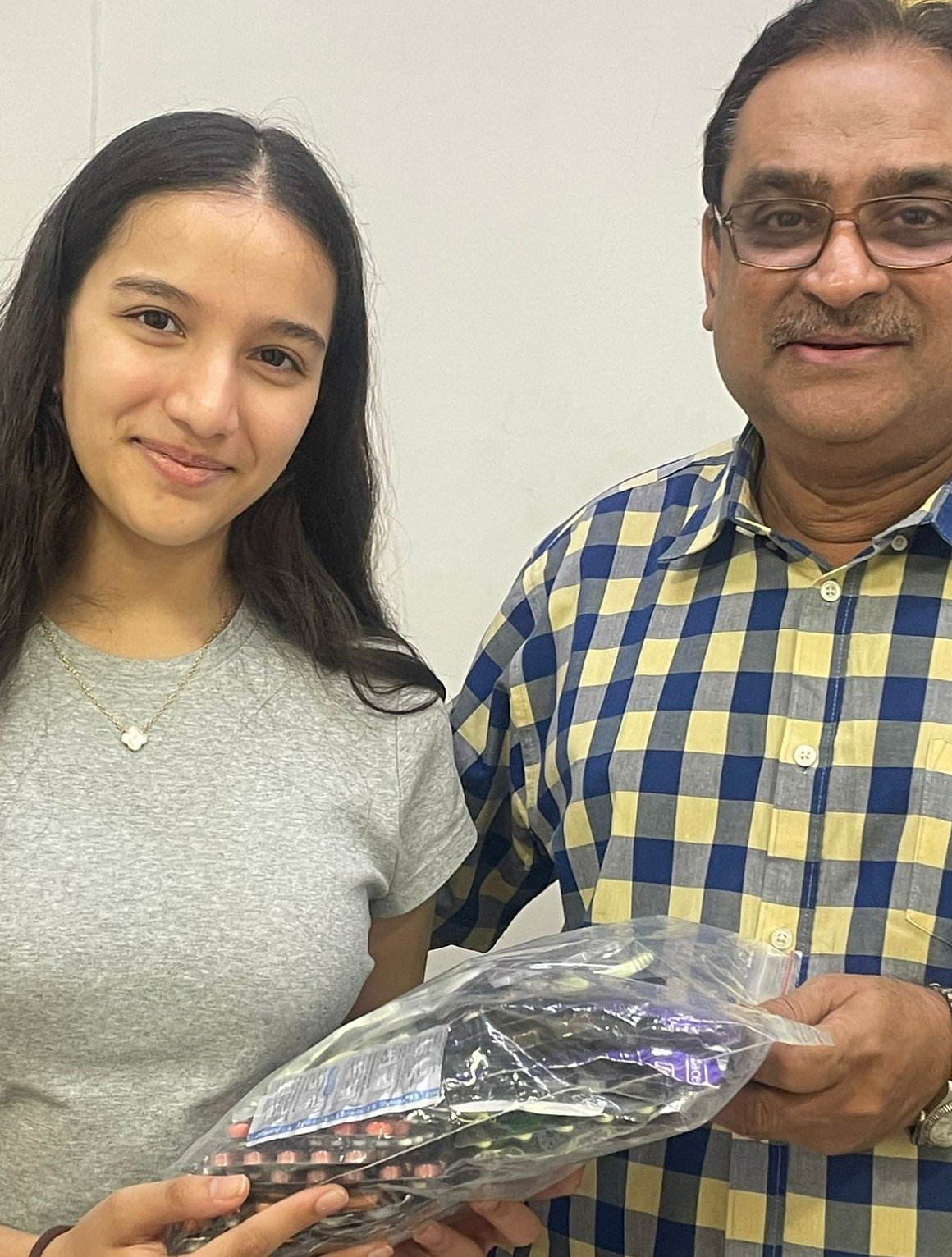
Kaira Desai |
Strict safety checks before donation
Because donated medicines are ultimately consumed by patients, Desai has put several safeguards in place.
She does not accept opened medicines, syrups, or products without original packaging or medicines nearing expiry. Every donation is checked carefully before being added to the inventory.
"I only accept medicines that are at least two months away from their expiry date," she explained.
When medicines are handed over to hospitals, those with earlier expiry dates are placed on top so they can be used first. Detailed documentation is also provided to health-care centres as proof.
The stress placed on safety has earned the project trust from both donors and hospitals.
Hospitals have welcomed the idea
Desai has been involved with a clinic and a hospital that both happily received the medicines.
A particular incident left an impression on her. A family that had lost a relative to cancer donated unused chemotherapy medicines through the project. Coincidentally, the hospital receiving the donation had patients who needed those exact medicines.
"It was incredible to hear that the medicines could be used immediately by patients who needed them," she said. "Knowing that someone received treatment because of a donation is a very rewarding feeling."
Looking beyond Mumbai
While the initiative currently operates primarily within her locality on Nepeanse Road and nearby areas, Desai has larger ambitions.
She hopes to expand the project beyond Mumbai and eventually create a digital platform that connects hospitals directly with medicine donors. Such a system, she believes, would allow hospitals to request medicines they urgently require while helping avoid excess stock that could go unused.
"The problem isn't limited to one city or even one country," she said. "There are many places where people struggle to access medicines. There's a lot of scope to expand."
A Lesson in Gratitude
For Desai, the project has reinforced an important lesson: things that may seem insignificant to one person can be life-changing for another.
"People think about donating clothes, toys or books, but very few think about medicines," she said. "Even a single medicine can make a huge difference in someone's life."
Asked what success means to her, the aspiring biochemistry student says it is not measured by numbers alone.
"Every time a hospital tells me the medicines were used by patients, that feels like success. It reminds me that something sitting unused in a cupboard can end up helping someone when they need it the most."
As The Pill Project continues to grow, Desai hopes more people will look at their medicine cabinets differently, not as storage spaces for leftovers, but as a potential source of help for someone else.

