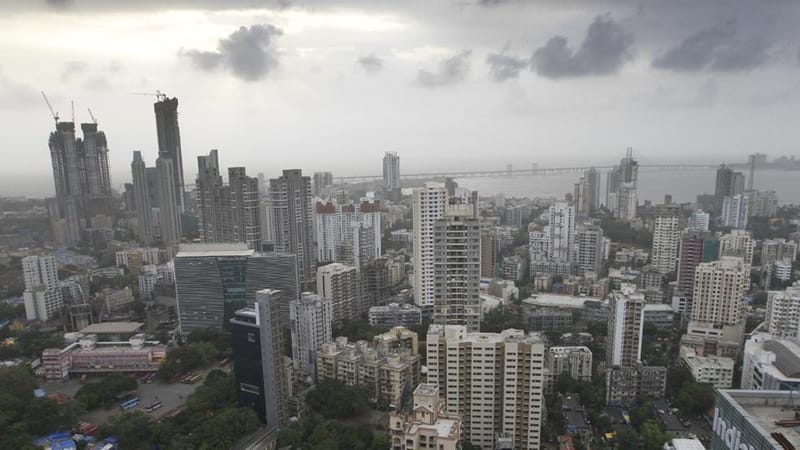
Mumbai: Resident associations have raised objections to a section of the new Development Plan (DP)-2034 for Mumbai, which they claim will transform the residential areas in the city into commercial and business zones.
The DP is expected to get final nod from chief minister Devendra Fadnavis in a couple of days. An NGO — the Citizen Civic Solutions Foundation — has pointed out in its letter to the CM that the aforesaid section of the new DP lays down how much additional FSI can be provided to big projects in a Central Business District. The primary objection is to Rule number 5 of the section which deals with provision of additional FSI for residential areas. The rule states that if the municipal commissioner deems it necessary, any plot, irrespective of its private or residential status, can be provided additional FSI on the basis of the CBD on that plot.
The controversial section, if implemented, will transform the residential areas into commercial and business zones and also lead to lesser revenue for the government, the NGO said. “Thus, it clearly appears the government can allot or deny allotment of additional FSI on whichever projects it wants. This will pave the way for greater corruption, leading to lesser revenues for the government,” the letter adds.
Mitesh Prajapati, spokesperson of the NGO said that currently the FSI is limited for residential areas, commercial plots and private plots. “FSI is limited in South Mumbai and other areas of the city. But according to the new DP, if there is a plot larger than 3,000 square meters above a small road, then it can get 5 FSI,” he said.
He added there are several civic issues like small roads and the complex sewage system and if commercial buildings are permitted in residential zones, it will lead to more problems in the city – there could be a spurt in in crimes and accidents; there could be water scarcity and the public transport will feel strained. “If the new DP is implemented, it will not be surprising to find high-rise buildings suddenly coming up in the already congested and infrastructure-challenged corners of the city,” the spokesperson said.
Dr Ranjit Patil, minister of State for Urban Development, said a “constitutional process” was followed during the making of the DP and the Brihanmumbai Municipal Corporation had invited suggestions and objections before finalising its draft. “However, we are still willing to patiently hear them out. They can come and meet me and I will convey their suggestions/objections to the scrutinising committee and the provisions of the DP can be given a re-look,” Patil said.
Currently, the city’s 1.24 crore residential population occupies barely 24.88 per cent of Mumbai’s total geographical area (473.28 sq. km). In other words, there are over 1.2 lakh people per square kilometre of developed residential space. One of the goals of the draft DP 2034 is to reassert Mumbai’s primacy as the country’s commercial capital. The town planners have proposed increased construction rights for commercial users in the new blueprint to improve this statistic.
