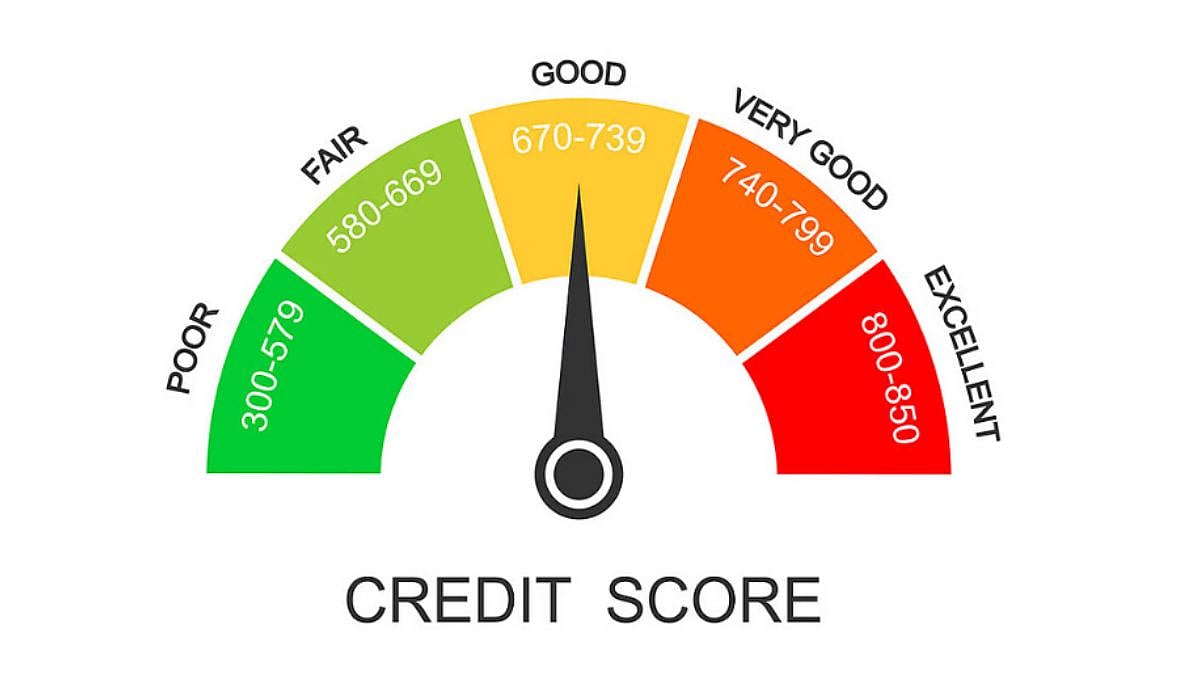
In today’s business environment, financial transparency is essential for building trust with lenders, investors, and partners. A Company Credit Report (CCR) provides a detailed overview of an organisation’s creditworthiness, offering valuable insights into its financial health and obligations. Reports such as the company CIBIL report are crucial tools for informed decision-making in credit approvals, partnerships, and investments.
What Is a Company Credit Report
A Company Credit Report (CCR) is a document issued by credit bureaus, including the company CIBIL report, which provides an analysis of a company’s financial history and credit performance. It evaluates a company’s ability to manage loans, repay debts, and fulfil financial obligations.
Lenders, financial institutions, and business partners rely on CCRs to assess a company’s financial stability before extending credit or entering partnerships. These reports include key details such as CIBIL scores, outstanding loans, payment histories, credit utilisation, and records of defaults or legal disputes.
What Does a Company Credit Report Include
A CCR provides a comprehensive view of a company’s financial standing through several key components:
Credit Score
The CIBIL score is a numerical measure of the company’s creditworthiness. It is calculated using factors such as payment history, outstanding debts, and credit utilisation. A high CIBIL score gives lenders confidence in the company’s financial reliability.
Credit History
This section tracks the company’s borrowing patterns, including loans taken, repayment schedules, and defaults. A consistent credit history demonstrates financial discipline.
CIBIL Rank
For companies with credit exposure of up to ₹50 Crores, the CIBIL Rank assigns a score between 1 and 10. A rank closer to 1 indicates lower credit risk, boosting lender confidence.
Outstanding Debt
This section details all current loans and credit facilities, including due amounts, repayment schedules, and any liabilities.
Payment History
The payment history reveals how consistently the company meets its financial obligations. Timely payments enhance the company’s credit profile, while defaults negatively affect the report.
Public Records
Negative entries, such as lawsuits, tax liens, or bankruptcy filings, are included here. These factors can significantly impact a company’s CIBIL score and overall creditworthiness.
Some CCRs compare the company’s financial performance with industry standards, helping stakeholders understand how it fares against competitors.
Importance of a Company Credit Report
A Company Credit Report is essential for many financial and business decisions. Here are some reasons why a CCR is crucial:
Facilitating Loan Approvals
A strong CCR or company CIBIL report increases the likelihood of loan approval.
Building Credibility
A good CCR, supported by a high CIBIL Rank, enhances a company’s reputation among partners and investors.
Identifying Financial Risks
A CCR highlights areas like high credit utilisation or inconsistent payment patterns, enabling proactive financial management.
Negotiating Better Terms
Companies with strong CCRs are often able to negotiate lower interest rates or more favourable repayment tenures.
Attracting Investors
Investors view a solid CCR as a sign of financial stability, making the company a more appealing investment opportunity.
Factors Influencing a Company Credit Report
Several key factors shape a company’s credit report and influence its overall credit profile. Understanding these elements is vital for maintaining a positive CCR:
Payment History
A company’s payment history plays a crucial role in determining its creditworthiness. Timely repayment of loans and financial obligations strengthens the report. However, late payments or defaults can severely damage the credit profile.
Credit Utilisation
The credit utilisation ratio reflects the percentage of available credit currently in use. A low utilisation rate, ideally below 30%, signals responsible credit management. High utilisation may indicate financial strain and impact the report negatively.
Length of Credit History
A longer credit history offers better insights into a company’s financial habits. Companies with a consistent credit record over time are often perceived as more stable and reliable.
Public Records
Negative entries like lawsuits, tax liens, or bankruptcy filings can significantly lower the credit score. These records reflect financial instability and may deter lenders or partners.
Diversity of Credit
Having a diverse mix of credit, such as loans, lines of credit, and credit cards, can improve the CCR. It shows the company’s ability to manage various types of financial obligations effectively.
By focusing on these factors, businesses can build and maintain a robust credit report, ensuring better access to financial opportunities.
Steps to Access a Company Credit Report
Obtaining a CCR is a straightforward process, typically handled through credit bureaus like TransUnion CIBIL. Here’s how a company can access its credit report:
1. Visit the credit bureau’s official website
2. Submit the company’s registration number, PAN, and other identification details
3. Complete any additional steps to verify the company’s identity
4. Pay the nominal fee for accessing the report online
5. Download and review the CCR once the process is complete
Tips to Maintain a Strong Company Credit Report
A strong Company Credit Report (CCR) is vital for accessing better financial opportunities and fostering trust with lenders. Follow these best practices to maintain a positive credit profile:
Pay on Time
Always ensure timely repayment of loans and other financial obligations to demonstrate financial reliability.
Monitor Regularly
Periodically review your CCR to detect and resolve any inaccuracies or discrepancies promptly.
Avoid Overleveraging
Borrow only within your repayment capacity to prevent financial stress and maintain a healthy credit profile.
Maintain Low Credit Utilisation
Keep your credit utilisation ratio under 30% to showcase responsible credit management.
Resolve Legal Issues Promptly
Address disputes, tax liens, or liabilities quickly to avoid negative impacts on your credit report.
Conclusion
A Company Credit Report, including the company CIBIL report, is a critical tool for assessing financial health and creditworthiness. By maintaining a strong CCR and adhering to best practices, businesses can secure loans, foster credibility, and build lasting partnerships. Understanding its components and influencing factors ensures that companies remain financially reliable and well-positioned for long-term success.
