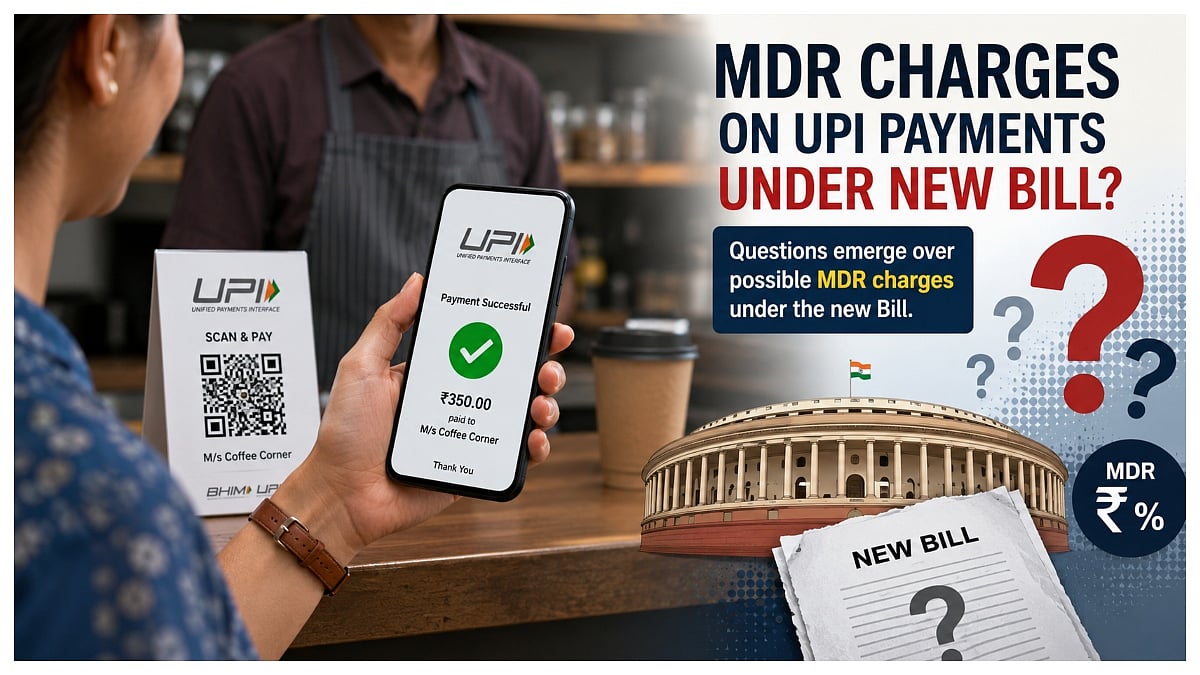
Mumbai: The passage of the Taxation and Other Laws Amendment Bill, 2026, in the Lok Sabha has created confusion about UPI charges. However, the Bill does not impose an immediate fee on every UPI payment.
It only gives the government legal power to decide which digital payments may attract a Merchant Discount Rate, or MDR, and which will remain free. The final rate and starting date have not been announced.
Who Pays MDR?
Finance Minister Nirmala Sitharaman has said that any MDR would be charged to merchants, such as shops and businesses, and not directly to customers.
MDR is a fee paid by a merchant for processing a digital transaction. Banks and payment companies use such income to run payment systems, improve security and provide customer support.
Everyday Payments
UPI transfers between friends, family members and other individuals are not expected to attract the proposed MDR. Regular payments from bank accounts also remain free for now.

Discussions have reportedly focused on larger merchant payments, including transactions above Rs 2,000. Small shops may receive relief, but no final government notification has confirmed the exact exemptions.
Why Charges Are Discussed?
Running UPI requires servers, payment processing systems, fraud controls, cyber security and customer support. RBI Governor Sanjay Malhotra has said that these costs must ultimately be met by someone.
His remarks did not mean that customers would immediately be charged. The government must decide whether the costs will be carried by itself, banks, payment companies or large merchants through MDR.

Possible Customer Impact
Although customers may not pay MDR directly, some businesses could raise prices if their costs increase. This is only a possible business response and not a confirmed government rule.
What Investors Should Watch?
For investors, MDR could create a new source of income for banks and payment companies. Its impact will depend on the rate, covered transactions, revenue-sharing rules and whether UPI use falls after charges begin.
Users should continue using UPI normally and avoid fake messages asking them to pay a 'UPI fee'. Investors should study the final official notification carefully before making any investment decision.

