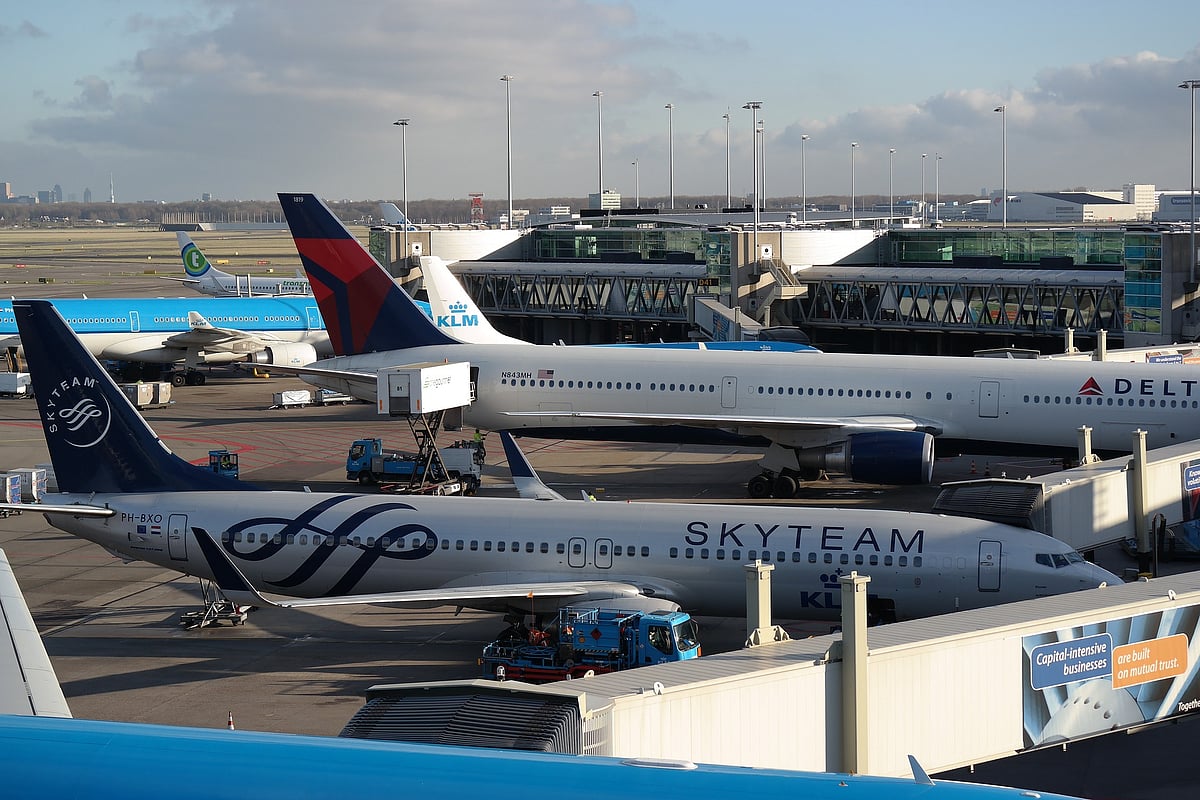
The continuing conflict in West Asia has severely affected the global aviation industry, according to new data released by the International Air Transport Association.
The industry body said global air passenger demand declined 3.4 percent in April due to tensions and military activity in the Gulf region.
Passenger demand is measured in revenue passenger kilometers, or RPK, which tracks the number of paying passengers and the distance travelled.
However, if the Middle East region is excluded, global air travel demand actually grew 1.9 percent during the month.
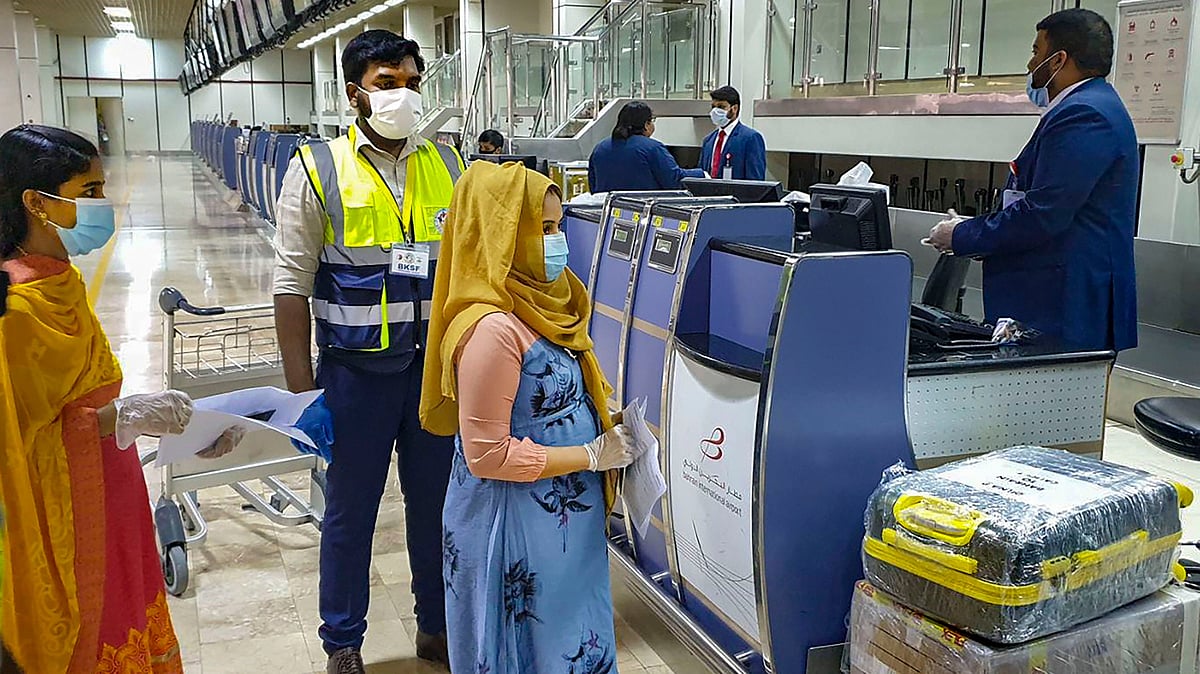
Middle East Airlines Face Sharp Decline
The Middle East aviation sector recorded the biggest impact from the conflict.
Air passenger demand in the region fell 46.6 percent year-on-year in April.
At the same time, airline capacity in the region declined more than 38 percent compared to the same period last year.
IATA Director General Willie Walsh said the fall in Middle East traffic was so severe that it pulled down overall global demand figures.
He also warned that the aviation sector remains highly volatile because of rising fuel costs and uncertainty in the region.
Jet Fuel Prices Add Pressure
According to Walsh, jet fuel prices more than doubled during April as tensions in West Asia increased.
Higher fuel costs forced airlines to raise ticket prices, which affected travel demand in several markets.
Airlines have also started reducing flight schedules for the coming months in order to manage weaker passenger demand and rising operating costs.
The report showed that total airline capacity, measured in available seat kilometers (ASK), declined 2.9 percent year-on-year globally.
Meanwhile, the load factor, which measures seat occupancy, stood at 83.1 percent, slightly lower than last year.
Asia-Pacific Region Shows Growth
Despite global pressure, airlines in the Asia-Pacific region continued to report growth.
Passenger demand in the region rose 3 percent year-on-year in April, while airline capacity increased 0.7 percent.
The load factor in Asia-Pacific reached 87.5 percent, marking a record high for the month of April.
The region remained the largest contributor to global air passenger demand with a 34.4 percent share, followed by Europe at 26.7 percent.
Ceasefire Slows Decline Slightly
IATA said the fall in Middle East traffic slowed slightly compared to March after a ceasefire came into effect between the warring sides.
However, the industry remains cautious because peace talks are still uncertain and geopolitical tensions continue.
Walsh, who is expected to take over as CEO of IndiGo in August, said airlines are balancing rising costs with weaker travel demand as the conflict continues.

