The United States has temporarily lifted major sanctions on Iran, allowing the country to produce, transport and sell crude oil, petroleum and petrochemical products for the next 60 days.
The special waiver issued by the US Treasury Department will remain active until August 21. This move is linked to an interim agreement between Washington and Tehran, as both countries continue talks to reach a long-term peace deal.
The temporary relief is seen as one of the biggest policy shifts in recent months, especially for global energy markets.
Trade Opens
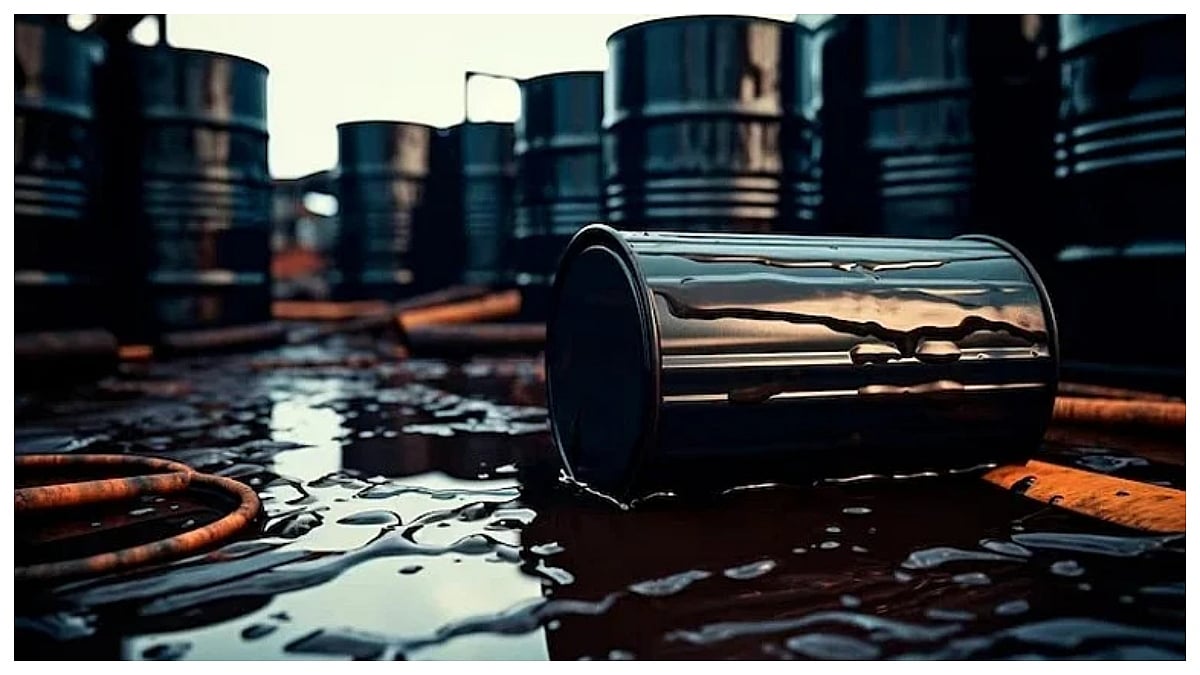
The sanctions relief also covers services needed for oil trade. These include banking transactions, shipping, insurance and maritime logistics.
This means buyers can legally purchase and move Iranian oil during the waiver period. The US has also allowed limited imports of Iranian oil into America when required to complete sales or deliveries.
However, the Treasury Department made it clear that transactions involving North Korea and Cuba remain strictly prohibited.
Peace Talks
US Treasury Secretary Scott Bessent said the waiver follows commitments made by Iran during diplomatic talks.
According to the US, Iran has agreed to ensure smooth movement of ships through the strategically important Strait of Hormuz.
Iran has also reportedly agreed to allow inspectors from the International Atomic Energy Agency to enter the country.
The talks in Switzerland were led by US Vice President JD Vance, who said negotiations have created a strong base for a permanent settlement.
Still, Iranian officials have denied fully agreeing to nuclear inspection demands during the first round of talks.
Oil Falls
Global oil markets reacted quickly to the announcement.
Crude prices dropped more than 3 percent as traders expected additional Iranian supply to enter global markets. More supply usually reduces price pressure.
Despite the relief, many buyers remain cautious. Markets fear that if talks fail, US sanctions could return quickly, creating fresh uncertainty in the oil trade.

