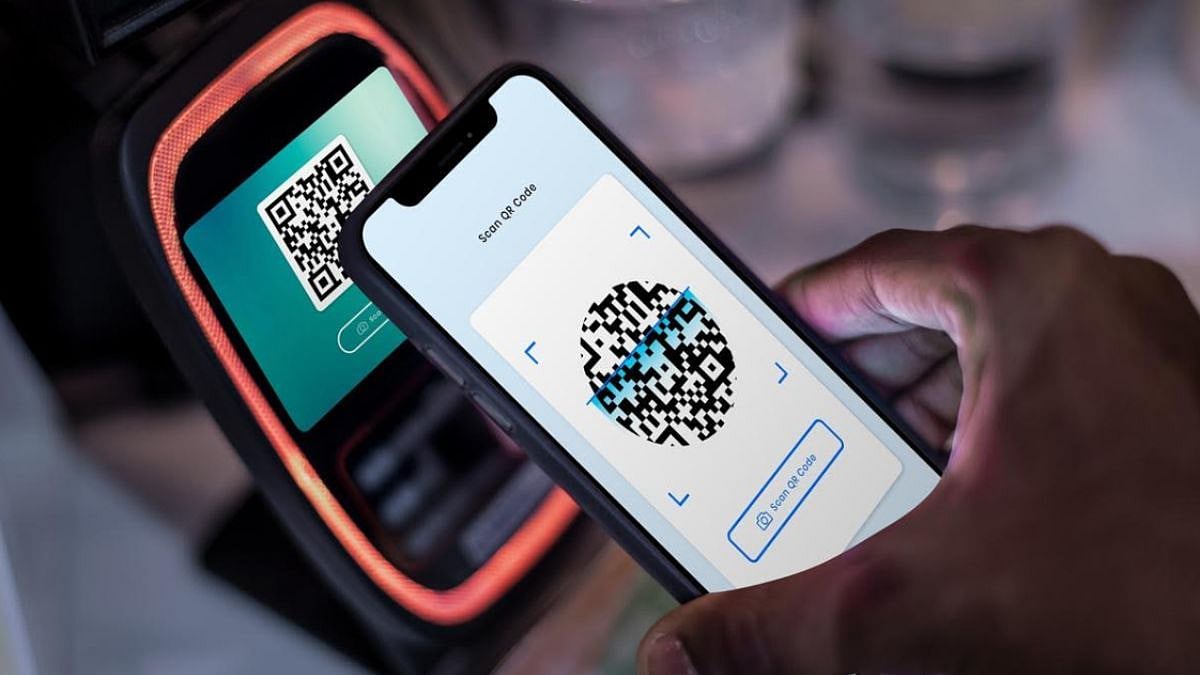
Digital payments in India have evolved beyond only instant transfers. More and more regular financial transactions are getting automated. With UPI AutoPay, recurring payment mandates for utility bills, insurance premiums, subscriptions, and loan repayments are changing the way families manage their monthly fixed expenses.
On the one hand, the change offers more comfort and trust, on the other, less visibility and control over cash flow. As the number of background payments increases, it is as crucial to comprehend their money impact as it is to arrange them.
How Recurring UPI Payments Work in Practice
An UPI app allows customers to pre-authorise regular debits from their bank account with only a single mandate. Once the payment is authorised it automatically debited from the customer's account as per the set frequency and amount. In other words, regular financial commitments do not have to be manually approved each time.
This has made it easier for many families to manage their day-to-day payments like insurance premiums, utility bills, EMIs, and digital subscriptions. Instead of remembering multiple due dates, they have turned these bills into regular, automated payments and can plan their finances accordingly. This is basically turning various irregular tasks into a consistent system.
The Impact on Monthly Cash Flow
One of the clearest financial advantages of UPI AutoPay is better payment discipline. Automated debits simply do away with the possibility of forgetting to pay, incurring late fees, or getting the service disconnected. This is especially the case for financial commitments that, if not honored, may have adverse credit or financial consequences, e.g. loan installments or insurance premiums.
Besides that, automation makes cash flow on a monthly basis more predictable. If recurring expenses are taken care of automatically, households can consider them as fixed commitments and therefore plan all other spending around them. Such a practice can lead to a more structured monthly budget and less short-term financial anxiety.
Nevertheless, such predictability also means that money is being taken out of the account monthly without a conscious decision. After a while, this can quietly change the way people perceive and handle their spending.
Budgeting in an Automated Environment
As more bills are paid through AutoPay, it is only natural that the structure of household budgets adjusts. A bigger fraction of spending gets converted into fixed and automated, thus your budget will have less flexibility to unexpected expenses.
This also increases the importance of cash flow management. Getting and holding a buffer balance is one of the ways to handle timing mismatches, e.g. when several regular debits fall around the same date. The lack of sufficient planning can even make regular payments cause short-term cash shortages.
A simple monthly schedule of all regular payments can help to clear things up. It allows households to realize how much of their earnings are already earmarked for fixed payments before they start thinking about their discretionary spending.
Control, Oversight, and Financial Responsibility
Even if UPI AutoPay makes execution very easy, the user who initiates the payments continues to have the ultimate responsibility for control. Users should not be deceived into thinking that mandates will be their forever companion just because they are easy.
Active mandates should be checked thoroughly at regular intervals to ensure that each and every debit that recurs still corresponds to a real financial requirement. Furthermore, it also becomes very easy to figure out which services are no longer being consumed and which expenditures can be cut back. Many times, the monthly cash flow can be significantly increased by just cancelling or re-adjusting a few small recurring payments.
It is also very important to keep monitoring your account statements. Mistakes or revelation of fraud, may happen even in automated systems. Diligent checking helps to prevent the accumulation of unnoticeable financial leakages.
Security and Risk Considerations
Recurring payment features are fundamentally consent-based, but they should be used with caution and care. It is possible to end up with a situation where you have unknowingly approved a mandate which, by its amount, frequency, or duration, has created a long-term financial commitment that, as time passes, you will find it hard to remember the details but easy to feel the impact.
It is good financial practice to be aware of the mandate limits, to check transaction notifications, and to be aware of the expiry or renewal of the mandates. Relying on automation should not lead to less attention being paid to the account activity. On the contrary, it should be accompanied by regular auditing so that you are always in control of your finances.
UPI AutoPay in the Broader Digital Finance Ecosystem
Recurring payments are just a small part of a big change in personal finance automation. Through digital tools, people can easily start new financial relationships so that they quickly set up several commitments that will be continuously running. The availability of a UPI app and an easy UPI app download have given the pace of this change a significant boost.
On one hand, this has led to broader financial inclusion and provided more convenience, but on the other hand, it has brought the role of active financial management to the forefront. Automation increases the efficiency of financial systems but at the same time, it calls for a greater level of personal control to ensure that one does not unintentionally get over-committed.
Using AutoPay as a Financial Tool, Not a Financial Trap
UPI AutoPay should ideally be considered as a part of a well thought out financial system. Automation can be a great tool for better money management but it shouldn’t be seen as a way to disengage from personal finances. The truth is if recurring payments happen only to real needs and are reviewed regularly, they can turn into the great monthly structures, reliability, and discipline.
AutoPay’s biggest benefit is actually the fact that it brings together convenience and visibility. It is a good practice to have regular checks to make sure that every automated debit still has a clear financial goal. This keeps minor, regular expenses from silently piling up and, at the same time, allows the family to use extra cash for savings, debt repayment, or longer-term financial goals.
Nowadays people tend to rely on automation so much that it is almost the default setting and in such a case, financial control does not necessarily mean the ability to remember all the due dates. Instead, it is about the conscious decision on each month’s money flow. If wisely done, UPI AutoPay usage can lead to better, not worse, financial health.

