In an era where the global population is aging and chronic diseases are on the rise, the healthcare and pharmaceutical sectors face unprecedented challenges. These industries are at a critical juncture, with increasing demand for personalized medicine, faster drug development, and more efficient patient care systems. The stakes couldn't be higher: a need for scalable solutions that can navigate the complex landscape of modern healthcare, delivering innovations that not only save lives but also ensure quality and accessibility for all.
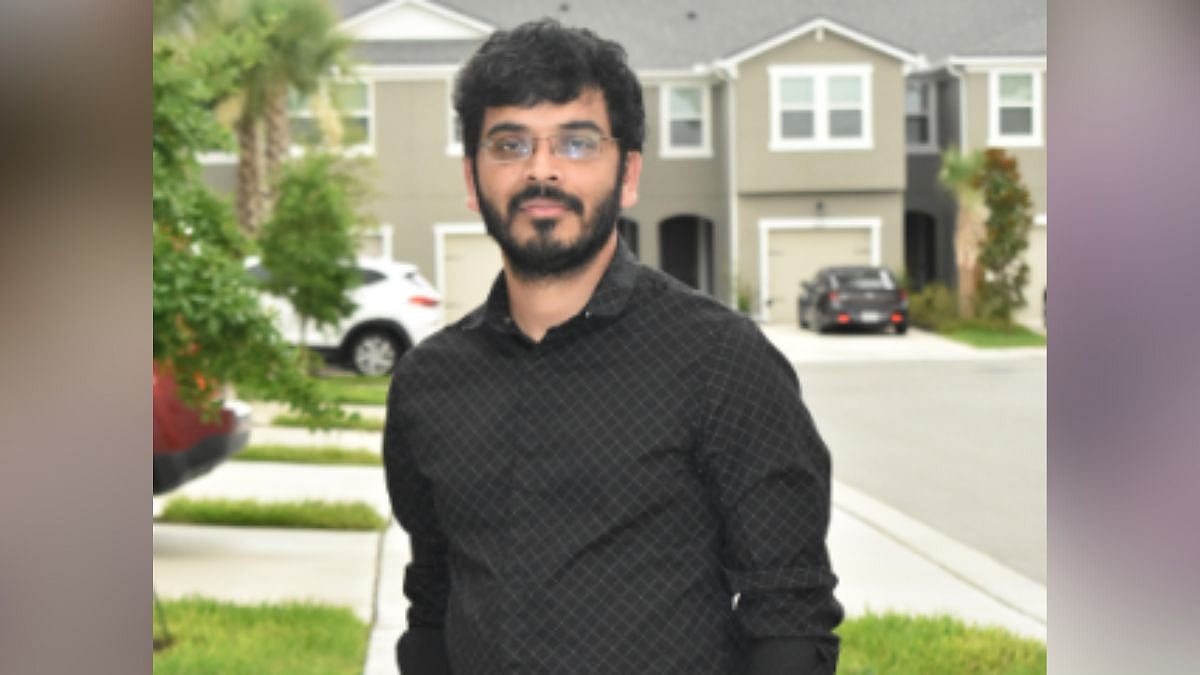
Amidst this backdrop of urgent need and complex challenges stands Naresh Vurukonda, a figure emblematic of the transformative potential of Artificial Intelligence (AI) in healthcare. As a Principal Architect at one of the world's leading biotechnology firms, Naresh's work lies at the cutting edge of AI-driven solutions. Through his pioneering efforts in developing the Representative Artificial Intelligence (RepAI) and working on Omnichannel products, he is not just navigating the challenges faced by the healthcare and pharmaceutical sectors but actively reshaping them. His initiatives have proven instrumental in leveraging AI to redefine patient care, streamline pharmaceutical processes, and herald a new era of efficiency and personalization in medicine.
Naresh's journey and contributions underscore a pivotal moment in the evolution of healthcare and pharmaceuticals. Through his vision and innovative applications of AI, he stands at the forefront of a revolution that promises to transform these sectors, making them more responsive to the needs of the present and adaptable to the uncertainties of the future. With a solid foundation in AI's potential to transform industries, Naresh's transition to the healthcare sector was a deliberate step towards making a tangible difference in people's lives.
At his organization, Naresh initiated the Representative Artificial Intelligence (RepAI) and Omnichannel projects, ventures that epitomize the innovative spirit of applying AI in healthcare. The inception of these projects was not without its challenges; the healthcare industry's complexity and the critical nature of pharmaceuticals demanded a careful, nuanced approach. The initial hurdles included integrating vast amounts of data, ensuring the AI's predictive models were both accurate and ethically responsible, and overcoming resistance within the industry towards new, disruptive technologies.
The objectives of the RepAI projects were ambitious yet clear: to harness AI in ways that could significantly enhance patient care and pharmaceutical efficiency. RepAI was designed to equip medical representatives with dynamic, AI-driven target lists, making their outreach to healthcare providers (HCPs) more effective and informed. The Omnichannel product, on the other hand, aimed to create personalized recommendations for HCPs, utilizing deep learning to analyze diverse data points for better patient engagement and care outcomes. Together, these projects sought to redefine the interface between pharmaceuticals and healthcare providers, making it smarter, more responsive, and ultimately more beneficial to patients.
Inside the RepAI Project
The Representative Artificial Intelligence (RepAI) project emerged as a groundbreaking initiative within his organization, aiming to redefine how medical representatives engage with healthcare providers (HCPs). At its core, RepAI leverages sophisticated AI algorithms to generate dynamic lists of HCPs, prioritizing those most likely to benefit from detailed information about specific treatments. This novel approach, a departure from traditional, static targeting methods, allows representatives to focus their efforts more effectively, ensuring that the right information reaches the right HCPs at the right time.
The implementation of RepAI represents a significant leap forward in personalized patient care. By ensuring that medical representatives are armed with up-to-date, AI-driven insights, they can facilitate informed discussions with HCPs, leading to better-informed prescription decisions. This, in turn, directly impacts patient care, offering tailored treatment options with potentially higher efficacy. The ripple effect of this improved interaction between representatives and HCPs is profound, with the potential to touch the lives of patients nationwide.
One of the most notable success stories of the RepAI project is its substantial role in supporting approximately 1 million patients. Through its intelligent targeting and efficiency improvements, RepAI has enhanced drug accessibility, bridging gaps between groundbreaking treatments and the patients who stand to benefit from them. This achievement not only underscores the project's impact on patient care but also highlights its contribution to his organization's mission of serving patients by transforming the business of healthcare.
Another key milestone for the RepAI project has been its positive influence on drug accessibility. By optimizing the engagement process between medical representatives and healthcare providers, RepAI has played a pivotal role in improving the visibility and understanding of his organization's products. This improved accessibility is a testament to the project's success in enhancing the pharmaceutical landscape, making advanced treatments more attainable for patients in need.
Through its innovative use of AI, the RepAI project has set a new standard in the pharmaceutical industry, demonstrating the immense potential of technology to improve patient care and accessibility. Its success stories and key milestones not only reflect the project's impact but also illuminate the path forward for similar initiatives in the healthcare sector.
Impact and Innovations
The Representative Artificial Intelligence (RepAI) and Omnichannel projects spearheaded by Naresh Vurukonda have ushered in significant benefits for his organization, marking a new era in healthcare delivery and pharmaceutical efficiency. One of the most compelling outcomes has been the uplift in product revenue, a direct reflection of the improved engagement strategies enabled by these AI-driven tools. By optimizing how healthcare providers are approached and informed about treatments, these projects have not only enhanced patient care but also contributed to a measurable increase in the adoption and prescription of his organization's products.
Beyond financial metrics, the efficiency in healthcare delivery has seen remarkable improvements. The tailored information and personalized recommendations generated through these projects ensure that treatments are better matched to patient needs, streamlining the path from discovery to delivery. This not only maximizes the impact of his organization's offerings but also represents a significant step forward in making healthcare more responsive and patient-centric.
Recognition of Naresh's contributions within his organization highlights the value and transformative potential of his work. His achievements have not gone unnoticed, earning him multiple awards and accolades. This acknowledgment serves as a testament to the pivotal role his projects have played in advancing the company's mission and setting new benchmarks in the industry.
Challenges and Overcoming Them
Implementing AI in healthcare is fraught with challenges, ranging from technical hurdles to regulatory compliance and the adoption of new technologies by stakeholders accustomed to traditional methods. Naresh and his team faced these obstacles head-on, adopting a methodical approach to navigate the complex landscape. Technical challenges, including the integration of vast datasets and ensuring the accuracy of AI predictions, were met with innovative solutions and constant iteration. Regulatory barriers called for a thorough understanding of healthcare laws and regulations, ensuring that AI applications were not only effective but also compliant.
Perhaps the most significant challenge was fostering adoption among healthcare professionals and within the broader organizational culture. Change management strategies, education, and demonstrating clear value were essential in overcoming skepticism and integrating AI tools into everyday practice. Naresh's leadership in these areas was instrumental, guiding his team through the intricacies of implementation and ensuring that the projects not only succeeded technically but were also embraced by their intended users.
Looking Ahead: The Future of AI in Healthcare with Naresh Vurukonda
Looking forward, the potential for AI in healthcare is boundless. Naresh's work with RepAI and Omnichannel projects provides a glimpse into the future, where AI could revolutionize patient care, from diagnosis to treatment and beyond. His insights suggest an evolving role for AI, one that could lead to even more personalized healthcare, predictive analytics for patient health, and efficiencies in drug development and distribution.
The broader implications for the industry are profound, with opportunities for innovation at every turn. However, these advancements will not be without their challenges, including ensuring data privacy, navigating the ever-evolving regulatory landscape, and keeping the human element central in a technology-driven field. The journey ahead is as promising as it is complex.
Conclusion
Naresh Vurukonda's impact on transforming healthcare stands a great example of innovation amidst challenges. His work has not only demonstrated the immense potential of AI in enhancing patient care and pharmaceutical operations but has also laid the groundwork for future advancements in the field. As healthcare continues to evolve, Naresh's contributions will undoubtedly remain a pivotal part of this transformation, inspiring continued innovation and improvement across the industry.
In reflecting on his journey and looking towards the future, Naresh envisions a healthcare ecosystem where technology and human expertise converge to create unparalleled outcomes for patients worldwide. "The future of healthcare technology lies in our ability to harness AI not as a replacement for human touch but as a tool that amplifies our capacity to care," says Naresh, encapsulating his vision for a future where AI and human ingenuity together forge new frontiers in healthcare.
