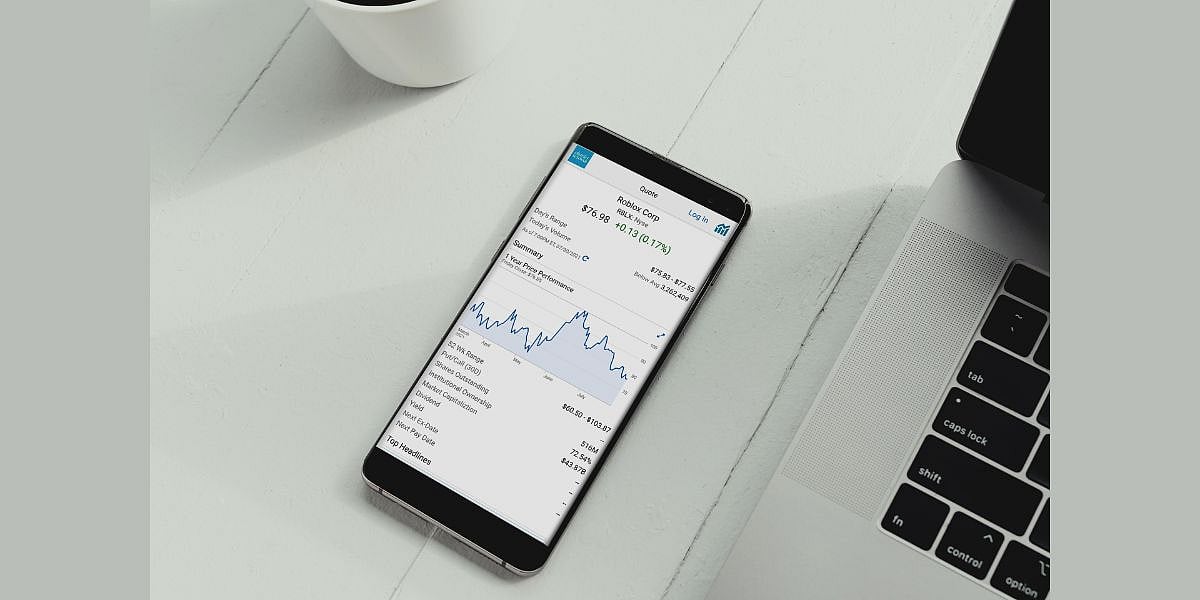
Forex trading is an intriguing and highly dynamic market, characterised by the high-velocity exchange of global currencies. As globalisation continues to bridge economies, Forex is becoming an increasingly relevant topic for investors, traders, and anyone curious about the global financial scene.
Understanding the Mechanics of Forex Trading
At its heart, forex trading, which stands for foreign exchange trading, is about the simultaneous buying of one currency while selling another. This process occurs in currency pairs, such as USD/EUR or JPY/GBP, for instance. The price fluctuations within these pairs form the bedrock for investment opportunities. By predicting these movements correctly, traders can potentially make substantial profits, although it's worth remembering that this also comes with substantial risk.
The Allure of Forex Trading



Forex trading, beyond its obvious financial appeal, also offers several intriguing features that draw participants worldwide. The Forex market operates 24 hours a day, five days a week, spanning major financial centres across the globe. This virtually non-stop operation offers a wide window for trading opportunities. Additionally, the global nature of the Forex market provides a diverse set of economic data and indicators, enabling informed decision-making and a variety of strategies.
Risk Management in Forex Trading
Any financial market inherently carries risk, and Forex trading is no exception. Effective risk management, therefore, becomes crucial for success in this realm. This might involve setting stop-loss orders to limit potential losses, leveraging only what one can afford to lose, and constantly keeping updated with global economic news.
Technology's Impact on Forex Trading
As the world continues to evolve technologically, so too does the landscape of Forex trading. Online platforms have made this market more accessible to everyday investors. Algorithmic trading, where trades are made by computer programs following pre-set instructions based on timing, price, or quantity, has revolutionised the speed and efficiency of Forex trading.
The Role of Forex in Global Economy
Forex trading isn't simply a speculative endeavour; it plays a pivotal role in the global economy. Central banks, for example, use the forex market to implement monetary policies or to stabilise their domestic currency. Companies engaging in international trade rely on forex markets to mitigate the risks associated with fluctuations in currency exchange rates.
Conclusion: The Future of Forex Trading
The future of Forex trading looks promising. As the world becomes more interconnected, the importance of understanding global economies and how they interrelate grows. However, it's essential to approach Forex trading with a strong understanding of the market's complexities and risks. It's not a get-rich-quick scheme but a fascinating world of finance, global economics, and strategic thinking.
This exciting field continues to evolve, and for those willing to invest their time and energy to understand its intricacies, Forex trading offers an intriguing blend of challenge and opportunity.
In the final analysis, Forex trading represents not just the exchange of currencies, but the convergence of economies, technology, and human ingenuity in an ever-globalising world.
