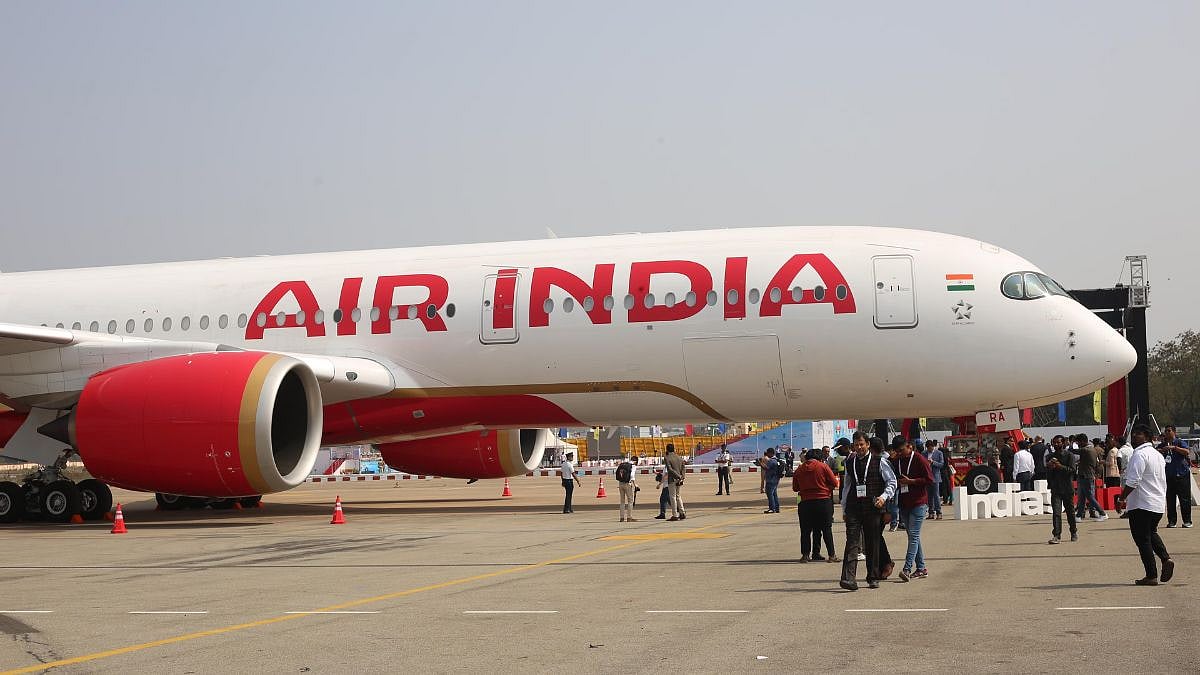
The government has expressed serious concern over an Air India pilot who reportedly tested positive for marijuana after operating the August 4 Phuket-Delhi flight.
It has asked the airline to strengthen operational oversight and ensure accountability for safety-related lapses, according to a report by The Times of India.
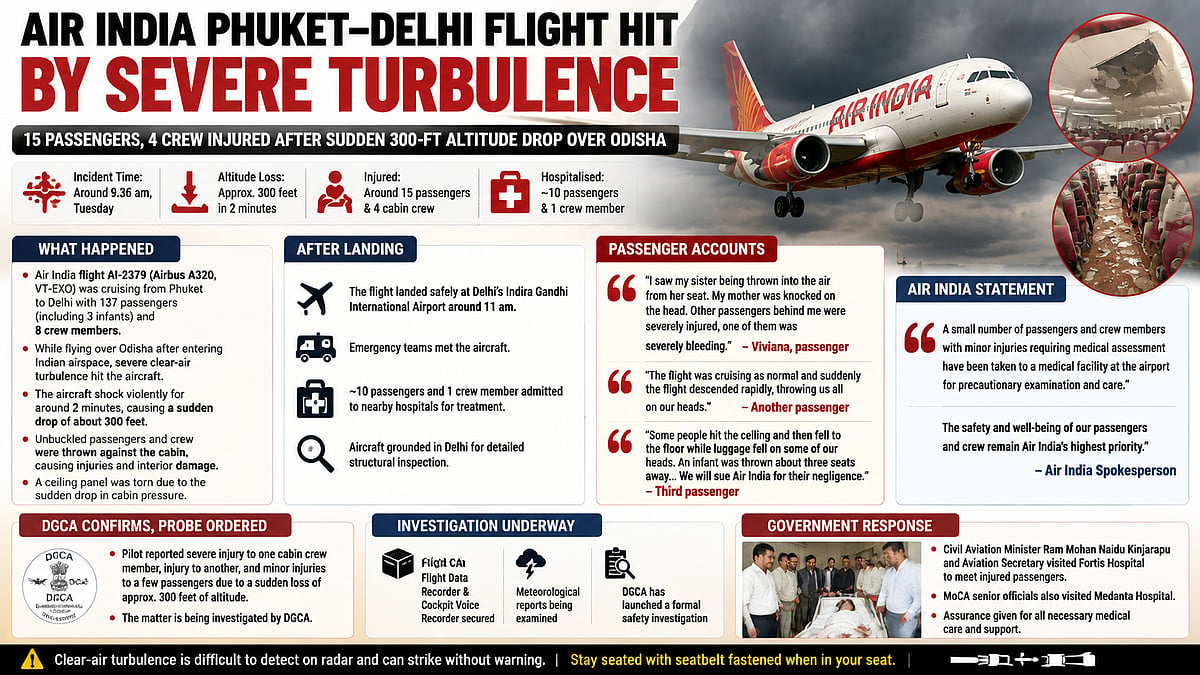
Flight AI 2379, carrying 145 passengers, encountered several technical alerts while flying over Odisha. The warnings reportedly involved all three hydraulic systems, doors and the elevator, while the autopilot also disengaged. The aircraft subsequently descended by around 300 feet, with 20 passengers and four cabin crew members reported injured.
The incident has drawn additional scrutiny as the final report into Air India’s Ahmedabad crash in June, which claimed 260 lives, is still awaited.
According to the report, authorities had taken a serious view of the latest incident and that individuals found responsible after the investigation would face action.
Pilot's conduct and drug-testing rules under review
Sources said the pilot-in-command subsequently tested positive for marijuana during a confirmatory drug test. The pilot reportedly told investigators that he had been prescribed sleeping medication due to personal difficulties and claimed the medicine may have contributed to the positive result.
Investigators are also examining complaints from cabin crew members regarding the pilot’s behaviour during the flight.
According to TOI, a person familiar with the matter alleged that the pilot appeared to be under the influence of psychoactive substances and was repeatedly sitting on the cockpit floor and attempting to smoke before crew members intervened.
Meanwhile, the government has directed the Directorate General of Civil Aviation (DGCA) to review its drug-testing framework. Officials want a larger proportion of aviation personnel to undergo mandatory testing and stronger enforcement against prohibited drug use.
The proposed framework may also distinguish between positive results caused by prescribed medication and those linked to recreational drug consumption, with potentially different penalties for the two categories.

