
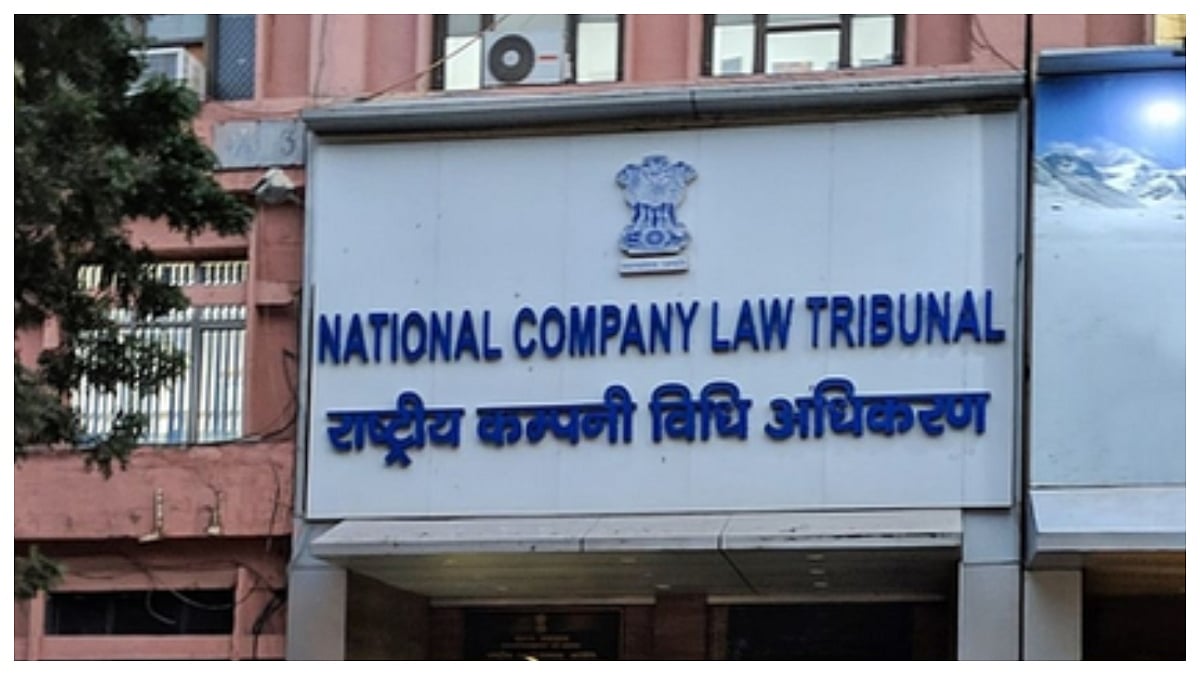
The National Company Law Appellate Tribunal (NCLAT) is set to hear on September 1 a challenge by creditors against the National Company Law Tribunal’s (NCLT) approval of Subhash Chandra’s personal insolvency repayment plan.
Several lenders, including LIC Housing Finance and banks, approached the appellate tribunal seeking an urgent hearing.
Solicitor General Tushar Mehta, representing the creditors, requested that the matter be taken up immediately, following which NCLAT scheduled the hearing for 10 am on Tuesday.

Creditors Challenge ₹6.25-Crore Repayment Plan
The NCLT approved Chandra’s resolution plan on August 25. Under the proposal, creditors would receive ₹6.25 crore, while another ₹25 lakh would be allocated towards insolvency resolution costs. This compares with admitted creditor claims of approximately ₹22,006.57 crore.
The insolvency proceedings relate to personal guarantees provided by Chandra for borrowings raised by companies associated with the Essel Group.
Several lenders opposed the proposal, arguing that the approval was influenced by votes from five entities allegedly linked to Chandra and his family.
Lenders Question Voting Rights
The five entities—Veena Investments, Direct Media Distribution Ventures, World Crest Advisors, Lemonade Capital Advisors and Corpcall Capital Advisors—were alleged by dissenting creditors to qualify as associates or related parties under the Insolvency and Bankruptcy Code.
According to the NCLT order, their votes contributed to the repayment plan receiving 80.814% approval from the committee of creditors.
HDFC Bank and IDBI Trusteeship Services, representing funds linked to Edelweiss and Franklin Templeton, had questioned the inclusion of these votes. HDFC Bank, which represented 3.2% of the total claims, had indicated that it was considering an appeal.
Canara Bank, Union Bank of India (UK) and LIC Housing Finance have also moved against the NCLT decision. Canara Bank, which held a 1.60% voting share, said it had opposed the plan and sought a forensic audit, but its minority position prevented the request from being approved.
The NCLAT’s hearing could now determine whether the NCLT’s approval and the underlying voting process withstand the creditors’ legal challenge.

