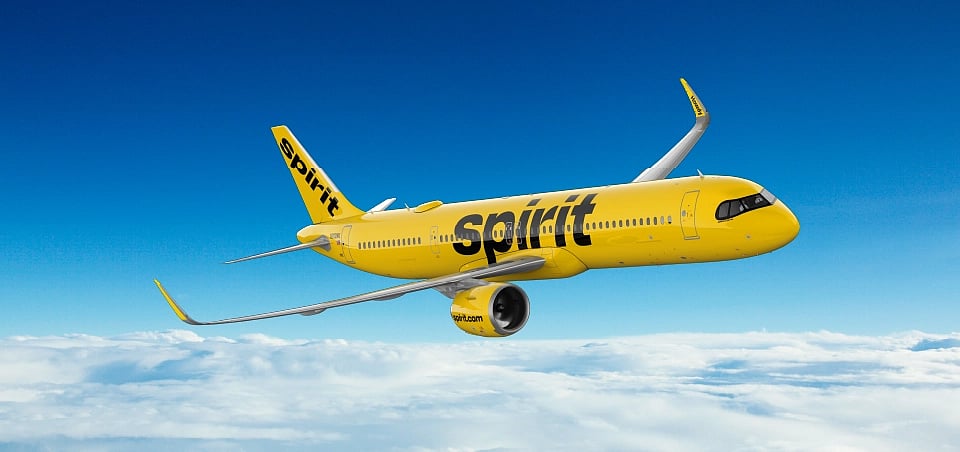
The United States’ Spirit Airlines has begun winding down its operations and cancelled all flights after efforts to secure a financial lifeline failed, marking a collapse of the ultra-low-cost carrier.
The airline’s shutdown comes after bailout discussions with the US government and key bondholders broke down, leaving the company without the funding required to continue operations.
Spirit said it has started an orderly wind-down process with immediate effect, asking passengers not to head to airports as all services stand cancelled.

The carrier, which had been grappling with mounting losses and liquidity pressures, was relying on a proposed $500 million rescue package to stay afloat. However, the plan failed to gain sufficient support from stakeholders, pushing the airline towards closure.
The development follows a prolonged period of financial distress, with Spirit having filed for bankruptcy twice in recent years amid rising fuel costs, intense competition, and post-pandemic operational challenges.
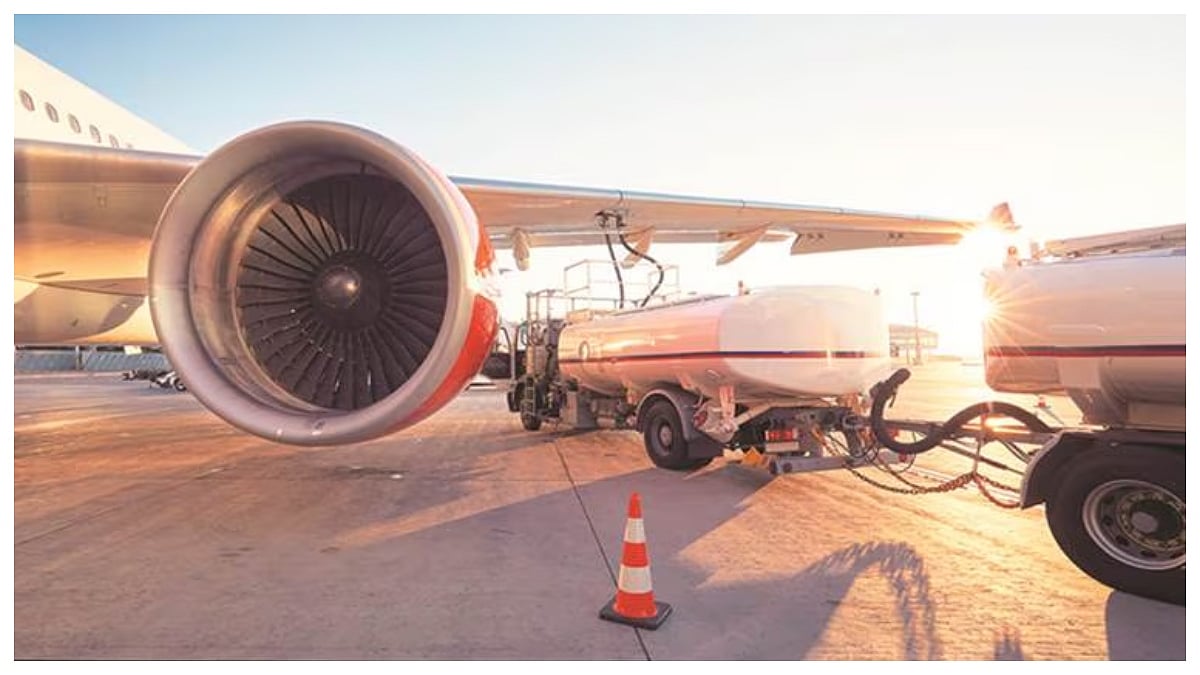
Industry pressures, particularly a sharp surge in jet fuel prices linked to geopolitical tensions, further strained the airline’s recovery efforts and weakened its ability to sustain operations.
With operations halted, the airline is expected to initiate refunds for affected passengers, though timelines may vary depending on booking channels.
Spirit’s collapse is likely to have wider implications for the aviation sector, particularly in the budget travel segment, where its absence could reduce competition and lead to higher fares on key routes.
The shutdown also puts thousands of jobs at risk, underscoring the severity of the crisis facing the airline and the broader impact of rising costs and funding constraints on the industry.
