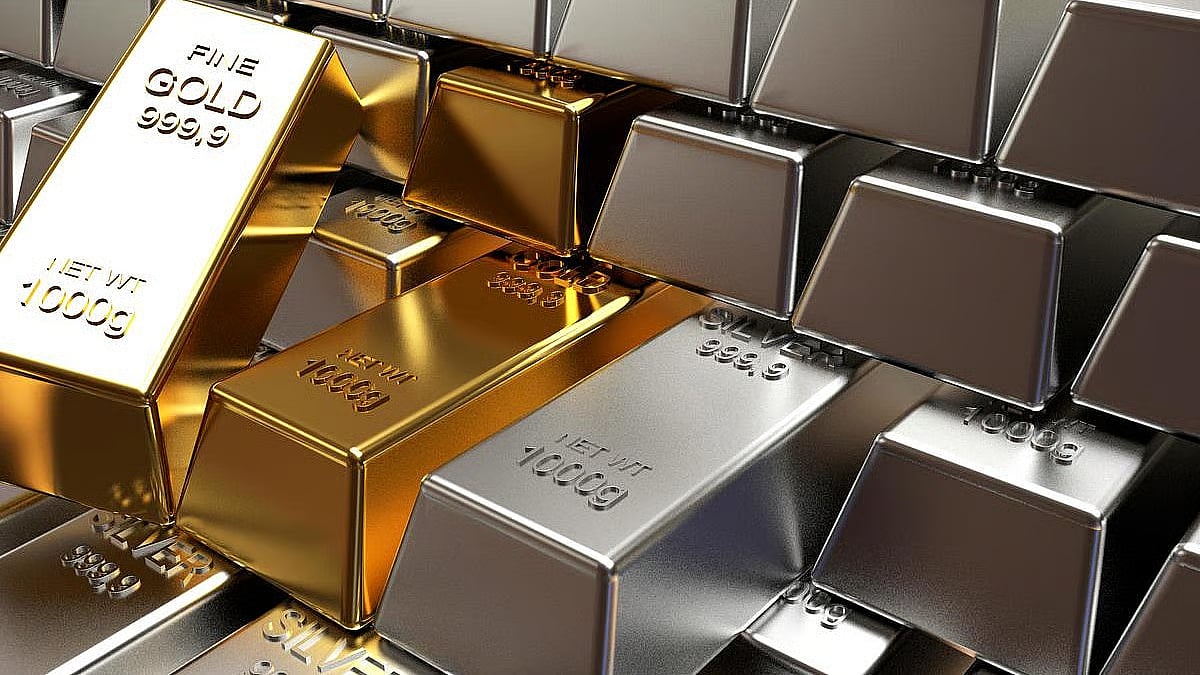
New Delhi, Mar 19: Silver prices tanked Rs 17,800 to Rs 2.38 lakh per kilogram in the national capital on Thursday, while gold dropped Rs 7,000 to Rs 1.53 lakh per 10 grams following a sharp selloff in global commodity markets.
Sharp fall in domestic bullion prices
According to the All India Sarafa Association, the white metal slumped by Rs 17,800, or nearly 7 per cent, to Rs 2,38,700 per kg (inclusive of all taxes) from Wednesday's closing level of Rs 2,56,500 per kg.
Silver has now declined sharply by Rs 1,65,800 per kilogram, or 41 per cent, from its lifetime high of Rs 4,04,500 per kg recorded on January 29.
Gold of 99.9 per cent purity also plunged by Rs 7,000, or 4.37 per cent, to Rs 1,53,300 per 10 grams (inclusive of all taxes) from the previous close of Rs 1,60,300 per 10 grams.
The yellow metal had fallen by Rs 29,700, or 16.23 per cent, from its all-time high of Rs 1,83,000 per 10 grams recorded on January 29.
Global factors behind the selloff
Analysts attributed the steep fall in bullion prices to a combination of factors, including rising inflation concerns, hawkish central bank stances, particularly from the US Federal Reserve and the Bank of Japan, amid surging global crude prices.
Gold and silver prices resumed their downward trajectory on Thursday amid rising global inflation concerns, Gaurav Garg, Research Analyst at Lemonn Markets Desk, said.
He added that geopolitical tensions stemming from the ongoing conflict between the US and Iran are leading to fears of oil supply disruptions that could further fuel inflation.
Dilip Parmar, Senior Research Analyst, HDFC Securities, said a hawkish stance by the US Federal Reserve and a five-day exodus from gold exchange-traded funds have sent gold prices to their weakest levels since early February.
"As energy-driven inflation looms, inflation remains a primary concern for central bankers, keeping the pressure firmly on gold as bond yields climb," he noted.
Weak global cues weigh on prices
Precious metal prices also traded lower in overseas trade. Spot silver tumbled by USD 4.88, or 6.48 per cent, to USD 70.49 per ounce, and gold declined USD 140.19, or nearly 3 per cent, to USD 4,678.69 per ounce.
Gold prices slipped below USD 4,700 per ounce, witnessing a sharp correction of USD 100 in a single session and nearly USD 300 in the last two days, as strong macro headwinds continue to weigh on prices, Jateen Trivedi, VP Research Analyst - Commodity and Currency, LKP Securities, said.
On Wednesday, Federal Reserve Chair Jerome Powell acknowledged that rising crude oil prices will contribute to inflationary pressures while emphasising that the economic implications of the conflict remain uncertain.
Powell reiterated that inflation is still somewhat elevated, near-term expectations have risen due to energy prices, and the central bank will adopt a wait-and-watch approach as the situation evolves.
Also Watch:
Outlook remains weak amid policy focus
Manav Modi, Analyst - Commodities, Motilal Oswal Financial Services Ltd, said investors will now shift their focus to policy decisions from the Bank of England and the European Central Bank.
On the outlook, Jateen Trivedi said the overall short-term trend remains weak to volatile, and price action will continue to react sharply to developments in interest rate expectations and geopolitical cues.
(Disclaimer: Except for the headline, this article has not been edited by FPJ's editorial team and is auto-generated from an agency feed.)

