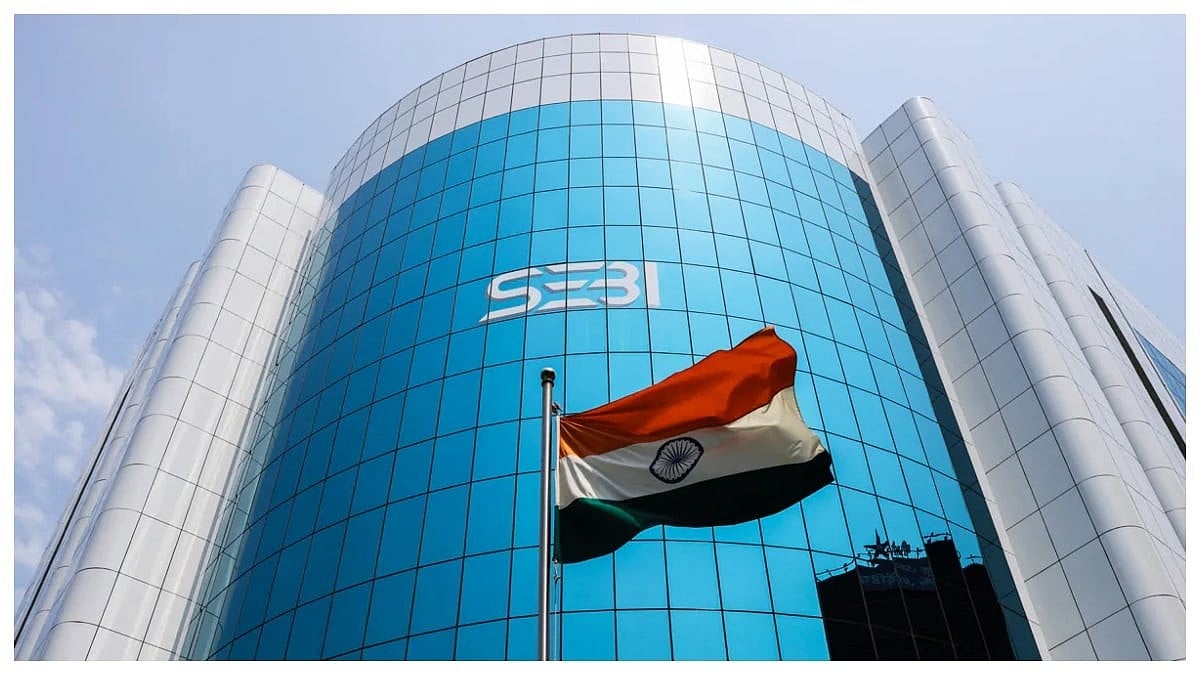
The Securities and Exchange Board of India (SEBI) has recommended removing long-term capital gains (LTCG) tax on foreign equity investors and providing tax relief to domestic mutual fund investors ahead of the Union Budget in February 2027.
As per a Reuters report, two sources said the proposals seek to improve India's attractiveness to investors amid weak stock market performance and sustained foreign capital outflows.
The recommendations are not binding, and the government will take the final decision.
.jpg)
Foreign investors have reportedly withdrawn a record $31 billion from Indian equities this year, while domestic markets have underperformed emerging market peers.
Over the past two years, the Nifty 50 has declined 4.8%, compared with a 40% rise in the MSCI Emerging Markets Index.
Following consultations with overseas investors, SEBI has suggested reducing their tax burden.
Currently, applicable long-term equity gains attract 12.5% tax, while short-term gains are taxed at 20%. Investors also face securities transaction tax and dividend withholding tax.
Brokerage Jefferies believes lower capital gains taxes could improve India's investment appeal and encourage foreign portfolio inflows.
SEBI has also proposed exempting domestic investors from LTCG tax when they switch between mutual fund schemes after holding their existing units for more than a year.
The proposal aims to encourage continued investment in domestic funds without triggering immediate tax liabilities.
Indian mutual funds currently manage approximately Rs82.6 lakh crore in assets, with monthly investment schemes attracting average inflows of Rs3,000 crore.
SEBI's proposals follow discussions with investors over India's relatively high equity investment costs.
Any changes to capital gains taxation would require government approval and could be considered during the forthcoming budget exercise.

