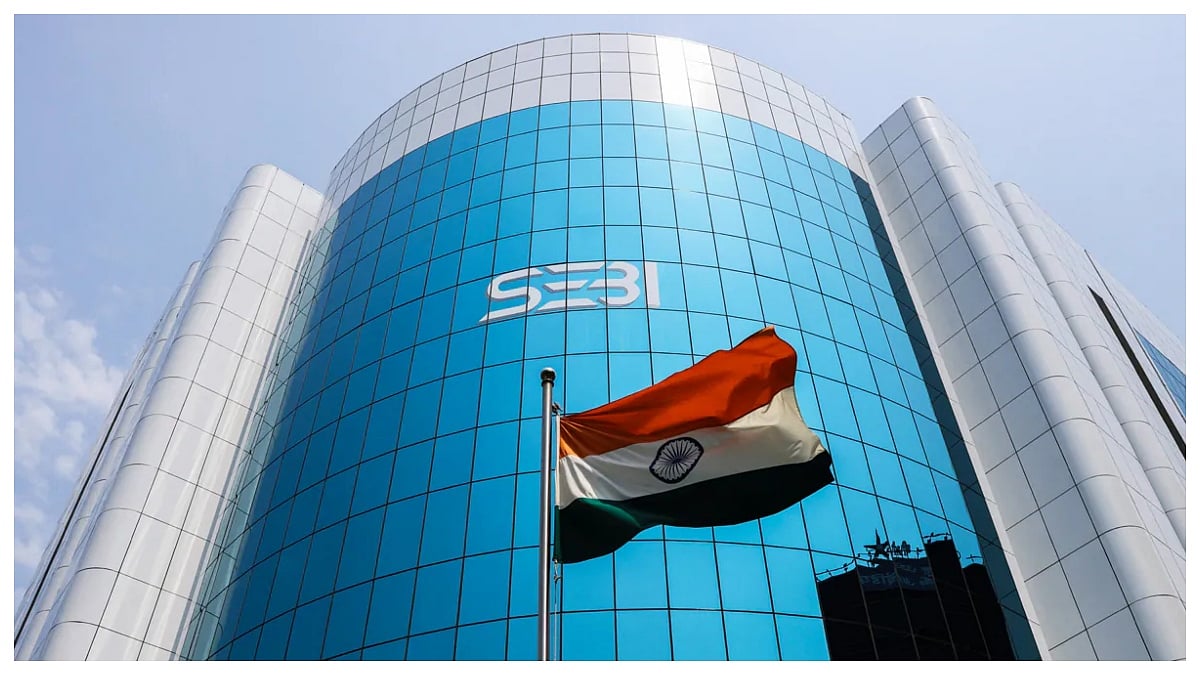
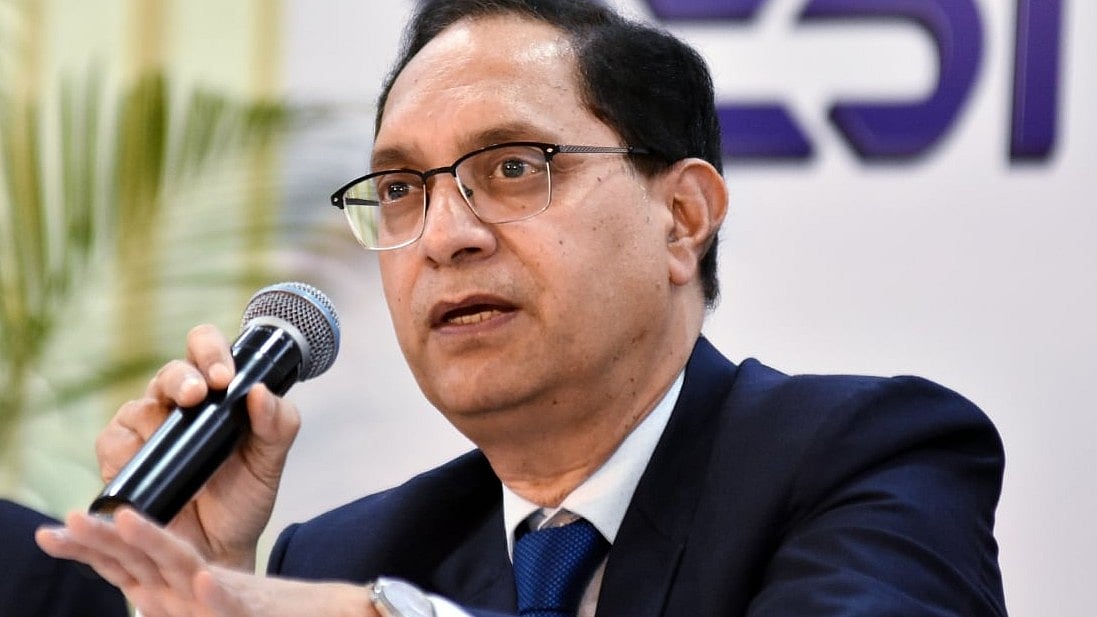
Securities and Exchange Board of India (SEBI) Chairman Tuhin Kanta Pandey on Wednesday warned that certain listed companies with little or no economic activity resemble shell companies and pose risks to investors.
He said the regulator was developing stronger oversight mechanisms to ensure companies use funds raised through initial public offerings (IPOs) for their stated purposes.
Pandey stressed that companies accessing public markets must remain accountable for investors' money. He was speaking at a media event.
SEBI's consultation paper, issued on Oct 13, proposes mandatory third-party monitoring agencies for all fresh issuances, irrespective of size.
The proposals, based on recommendations from a working group headed by former SEBI executive director VS Sundaresan, exclude offer-for-sale proceeds.
Currently, monitoring by a SEBI-registered credit rating agency is compulsory when fresh issue proceeds exceed Rs100 crore.
Under the proposed framework, stock exchanges could impose a Rs50,000 penalty for each reported instance of non-cooperation with monitoring agencies.
Continued non-compliance could result in depositories freezing promoters' demat accounts following exchange directions.
Companies facing such action would also be barred from replacing or terminating their monitoring agencies until the default is resolved.
These measures remain proposals and have not become binding regulations.
Pandey said SEBI was examining the regulatory framework for main-board IPOs, follow-on public offers and listing disclosure requirements.
The regulator is separately reviewing rules governing small and medium enterprise (SME) IPOs and the Innovators Growth Platform to improve fundraising opportunities for emerging businesses.
SEBI is also reassessing the debenture trustee framework to strengthen supervision and accountability.
Additionally, the regulator is piloting an artificial intelligence (AI) tool to analyse disclosures submitted by debenture trustees, stock exchanges, depositories and credit rating agencies.
The system is designed to identify early warning signs of potential corporate debt defaults.
Pandey emphasised that access to public capital carries corresponding responsibilities, including transparent disclosure and proper utilisation of funds raised from investors.

