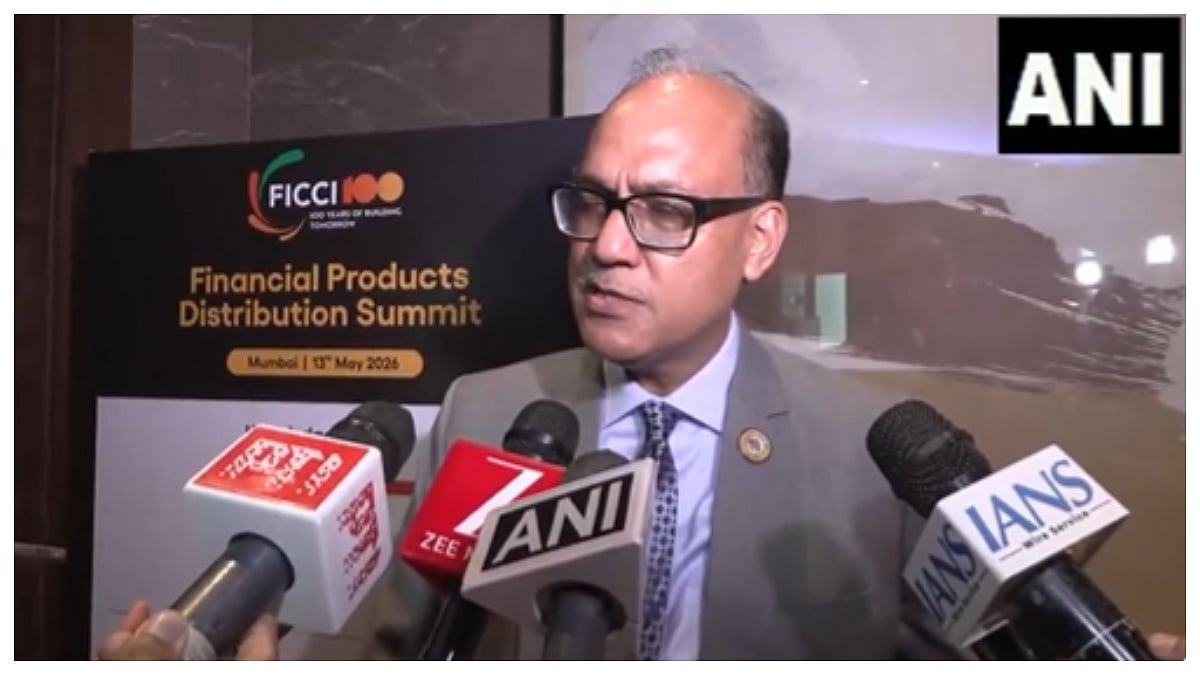
Mumbai: State Bank of India Managing Director Ashwini Kumar Tewari said banks in India operate under very strict money laundering and transaction monitoring rules, especially under the supervision of the Reserve Bank of India.
Speaking at a FICCI event, Tewari explained that banks are required to closely monitor customer activities and financial transactions to prevent illegal money movement and financial fraud.
KYC Process More Detailed In Banking
Tewari said the Know Your Customer (KYC) process in banks is much more detailed than in many other sectors. According to him, banks need deeper information from customers because they must understand how money moves in and out of accounts.
He said banks are expected to track customer fund movements carefully and ensure all transactions follow regulatory rules. Because of these responsibilities, banks must maintain stricter checks while opening new accounts.
RBI Rules Increase Compliance Burden
The SBI MD noted that compliance requirements under RBI guidelines are highly intensive for the banking industry. He added that transaction monitoring systems are important for identifying suspicious activities and maintaining transparency in the financial system.
According to Tewari, strict KYC and monitoring measures help banks reduce risks related to money laundering and financial crimes. He stressed that banks cannot take a relaxed approach while onboarding customers because regulations require strong verification and regular monitoring.
The comments come at a time when Indian banks are strengthening digital monitoring systems and compliance frameworks to meet tighter regulatory expectations.
