
New Delhi: India could withstand the loss of discounted Russian oil more comfortably than a prolonged surge in global crude prices to USD 100 a barrel, according to Anindya Banerjee, Head of Commodity and Currency Research at Kotak Securities.
The assessment comes amid growing pressure on countries importing Russian energy and speculation that India could be forced to reduce its purchases from Moscow.
Discount Shrinks
Russian crude emerged as an important source of cheaper oil for India following the outbreak of the Russia-Ukraine war, with discounts at one stage reaching USD 15-USD 20 per barrel.
However, that price advantage has narrowed considerably. Banerjee, as quoted by ANI, said discounts on Russian crude have fallen to around USD 2-USD 3 per barrel.
India spends nearly USD 150 billion annually on crude imports, while the benefit from discounted Russian supplies is estimated at just USD 2-USD 3 billion a year.
This means replacing Russian barrels with crude from other suppliers could increase costs, but the overall economic impact may remain manageable.
Wider Sources
India has also diversified its energy supplies, sourcing crude from more than 40 countries, including producers in the Middle East, Africa and the US.
This wider supplier base could help refiners respond to any disruption in Russian oil flows.
Strategic petroleum reserves and commercial inventories provide additional protection against short-term supply shocks.
Bigger Threat
A sustained rise in global oil prices, however, could have much larger consequences.
According to Banerjee, every USD 10 increase in the average price of India's crude import basket could add about USD 15 billion to the country's annual oil import bill.
Crude at USD 100 a barrel could therefore exert significantly greater pressure on India's economy than losing the existing Russian discount.
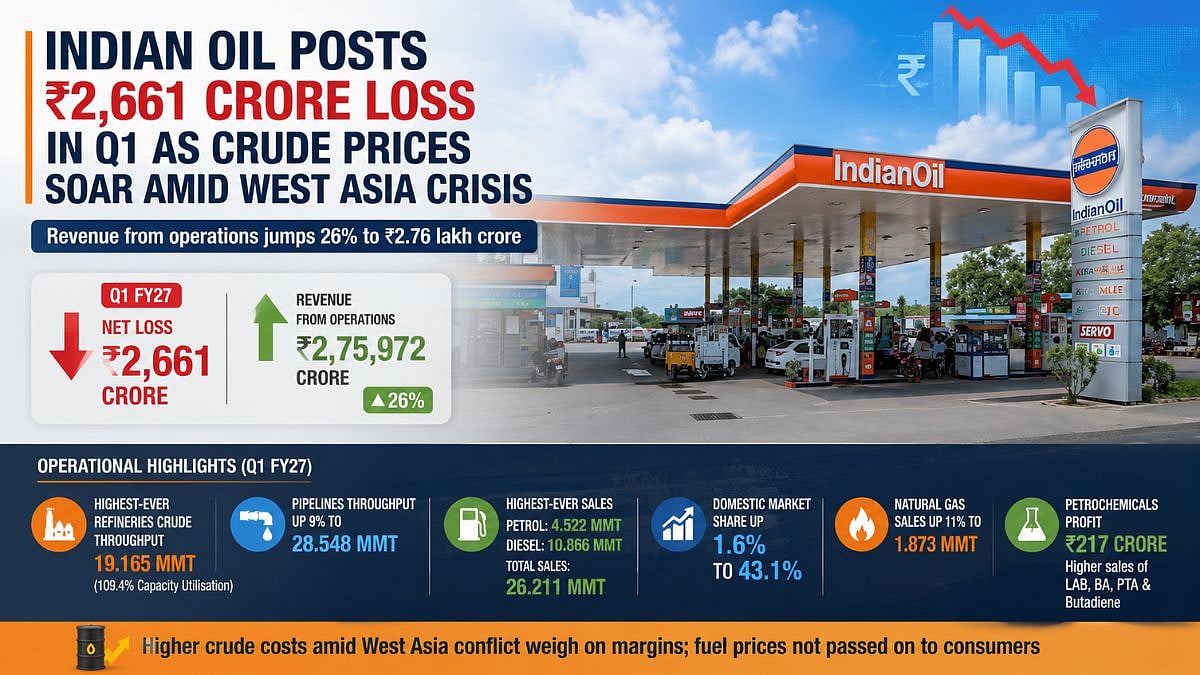
Higher oil prices could widen the trade deficit, weaken the rupee and increase inflationary pressures. Costlier fuel can also push up transportation and production expenses across industries.
Economic Buffer
India has also been developing alternative payment arrangements, including rupee-based trade and bilateral settlement mechanisms, to reduce risks arising from geopolitical disruptions.
The key risk, therefore, is not necessarily losing access to cheaper Russian barrels. A prolonged global crude price shock would have far wider consequences for India's import costs, inflation and external finances.

