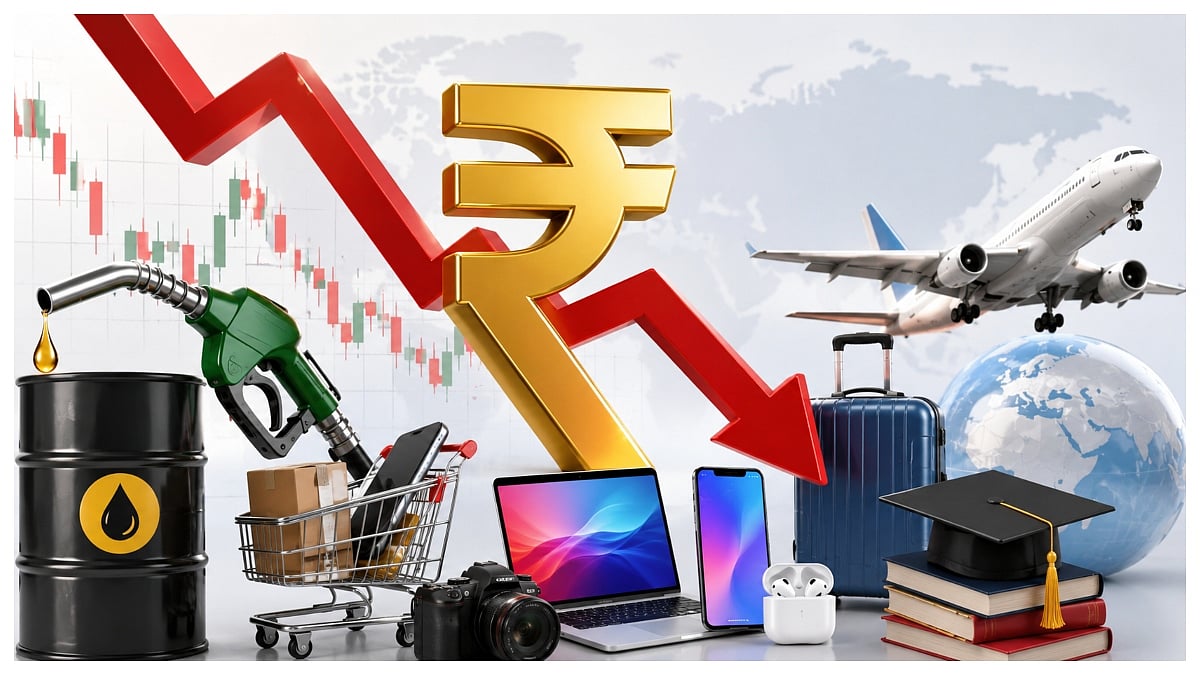
Mumbai: The Indian rupee has slipped to a record low of 96.47 against the US dollar, increasing concerns over rising costs for consumers and businesses. The fall in the rupee comes at a time when global crude oil prices have crossed USD 100 per barrel due to growing tensions in West Asia and strong demand for the US dollar globally.
While the impact may not be visible immediately, a prolonged weakness in the rupee could slowly make several daily and lifestyle expenses more costly for Indians.
Why Is The Rupee Falling?
India imports more than 85 percent of its crude oil needs from other countries. When crude oil prices rise, Indian companies need more dollars to buy oil from global markets. This increases demand for the US currency and puts pressure on the rupee.
Apart from expensive oil, a stronger dollar and rising US bond yields have also weakened many emerging market currencies, including the Indian rupee.
Global investors often move money towards safer US assets during uncertain times, which further increases dollar demand and weakens currencies like the rupee.

Imported Products Could Become Costlier
A weak rupee directly affects imported goods because companies need to spend more rupees to buy products priced in dollars.
Items such as smartphones, laptops, cameras, gaming consoles and other electronic gadgets may become more expensive if the rupee continues to weaken. Businesses importing machinery, chemicals or raw materials could also face higher costs.
Many companies may eventually pass on some of these increased costs to consumers through higher prices.
Foreign Travel And Education To Get Expensive
The falling rupee can also affect Indians travelling abroad. Since every dollar now costs more in rupee terms, hotel stays, shopping, food and transport overseas become more expensive.
Families sending children abroad for education may also face higher expenses. Tuition fees, rent and living costs in countries like the US, UK, Canada and Australia could increase significantly when converted into rupees.
Fuel Prices And Inflation Risks
Higher crude oil prices combined with a weaker rupee can increase India’s overall fuel import bill. If oil prices remain elevated, petrol and diesel prices may come under pressure.
Rising fuel costs usually increase transportation and logistics expenses. This can lead to higher prices for groceries, food delivery, consumer goods and several everyday items, adding to inflation pressures on household budgets.
Some Sectors May Benefit
Not every sector loses when the rupee weakens. Export-oriented industries such as information technology and pharmaceuticals can benefit because they earn revenue in dollars.
When converted into rupees, these dollar earnings become more valuable. Indians receiving money from relatives abroad may also gain, as remittances convert into more rupees during periods of currency weakness.
