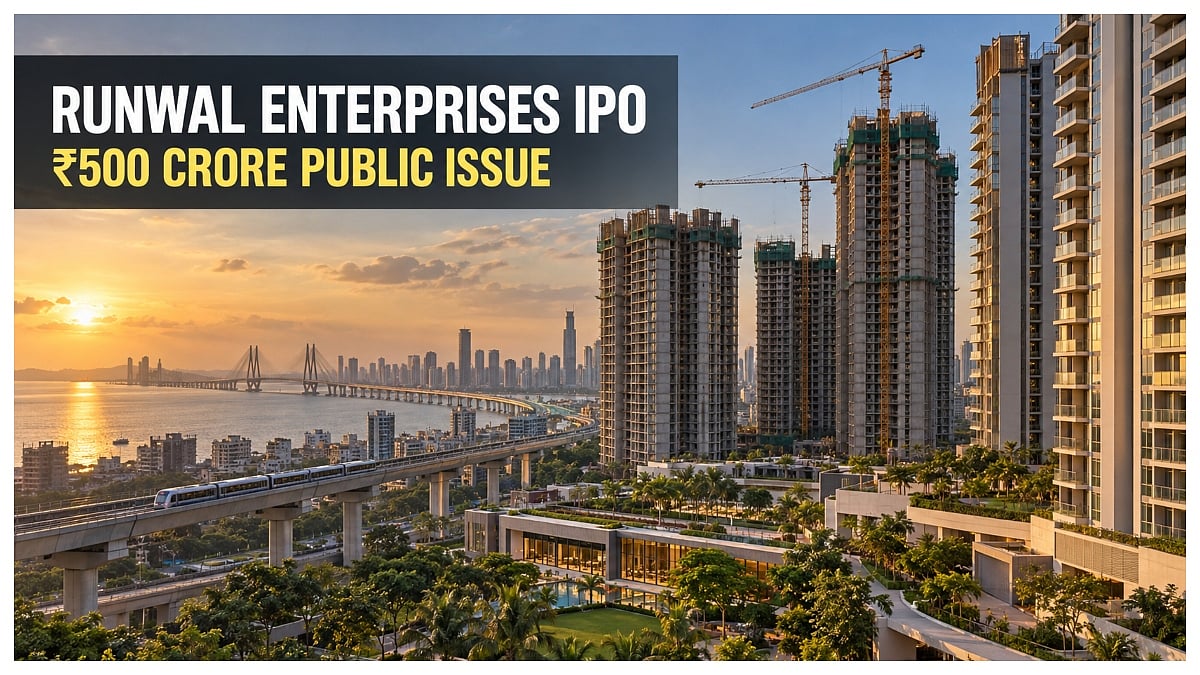
Ahead of Runwal Enterprises initial public offering, Shipra Rana, Business Correspondent - The Free Press Journal, speaks with the company’s management about its growth strategy, debt reduction and portfolio diversification. The conversation examines Mumbai’s housing demand, infrastructure-led opportunities, evolving buyer preferences and the outlook for India’s most valuable property market.
Why is Runwal Enterprises pursuing an IPO now?
Runwal Enterprises has operated for more than 50 years. We are developing nearly 88 million square feet. The IPO is intended to support future growth, strengthen the balance sheet and provide capital for future expansion plans.
Why was the proposed issue reduced from Rs 1,000 crore to Rs 500 crore?
The draft papers were filed around 18 months ago. Since then, we reassessed the company’s funding and cash-flow requirements. We concluded that a Rs 500-crore equity raise is sufficient, without altering our growth ambitions.
How will the proceeds improve the company’s finances?
Around Rs 350 crore will be used for debt repayment, while Rs 150 crore will support growth and expansion. HDFC’s compulsorily convertible debentures have converted into equity, leaving it with a stake below 5 percent.
Together, the IPO repayment and conversion will reduce debt by Rs 550 crore, bringing borrowings down to Rs 1,900 crore.
How will the development portfolio evolve?
Currently, around 90 percent of our portfolio is residential, with commercial and retail accounting for 10 percent. Over time, we expect the mix to move towards 80 percent residential and 20 percent commercial and retail.
Which housing segments offer the strongest opportunity?
We are gradually shifting from affordable housing towards mid-market and premium developments.

Demand exists across all three categories, but success depends on offering the right product at the right price. Premium housing provides stronger demand and margins.
What will drive Mumbai’s next property cycle?
Redevelopment will be a major driver. Unprecedented infrastructure investment—including new metro corridors and improved regional connectivity—will shorten travel times and re-rate several locations. We expect property prices to remain very firm and move higher.
Who is driving demand today?
End-users remain the demand drivers. Buyers assess location, amenities and developer reputation together. Lower interest rates would further support affordability and housing demand.
How would you describe Mumbai real estate’s future?
Very bright. Infrastructure improvements are transforming connectivity, expanding viable residential markets and supporting demand across segments. We believe well-connected locations will perform as Mumbai’s growth continues.

