The Reserve Bank of India (RBI) has stepped up measures to absorb excess cash from the banking system, using short-term foreign-exchange swaps as surplus liquidity reached a record level, Bloomberg reported.
The central bank conducted sell-buy dollar-rupee swaps, with some transactions due to mature in October.
Under these arrangements, the RBI sells US dollars to banks in exchange for rupees and agrees to repurchase the dollars at a later date. The mechanism temporarily removes rupee liquidity from the financial system.
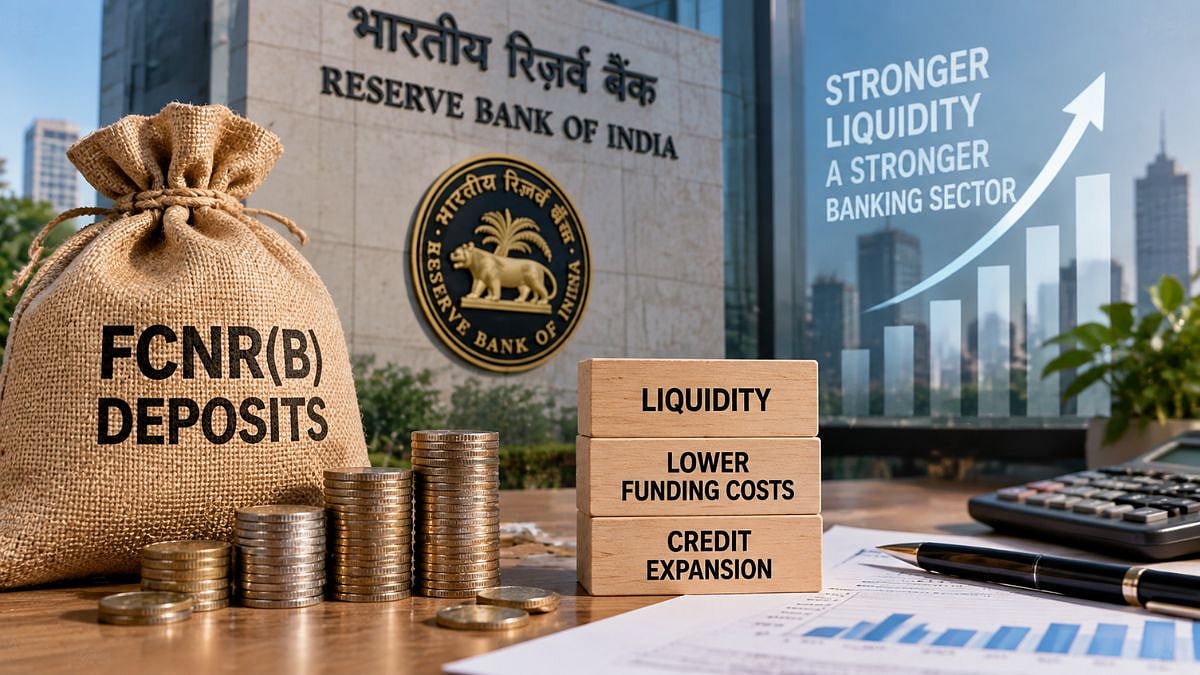
RBI Steps Up Liquidity Management
The move comes as surplus funds in the banking system surged to around ₹11 trillion ($115 billion), the highest level on record. The increase followed substantial inflows linked to the RBI’s recent capital-raising measures.
Market participants have been closely watching the central bank’s response to the liquidity glut. The large cash surplus has pushed banks’ funding costs lower, potentially encouraging cheaper borrowing and creating additional inflationary pressures.
Foreign-exchange market indicators also reflected the impact of the liquidity operations. Three-month dollar-rupee onshore forward yields increased by 17 basis points to 2.97%, while six-month yields rose by 11 basis points.
Excess Cash Poses Policy Challenge
The RBI’s temporary liquidity withdrawals are aimed at preventing the large surplus from creating excessive monetary accommodation. Bond and currency traders have been anticipating further central bank action as the liquidity buildup continues.
The use of currency swaps provides the central bank with another tool to manage short-term liquidity without relying solely on conventional operations.
With banking cash balances at unprecedented levels, the RBI is likely to remain focused on keeping financial conditions aligned with its broader inflation and monetary policy objectives.

