
India continues to take a cautious stance on cryptocurrencies while encouraging the development and use of technologies that underpin crypto assets, Reserve Bank of India Governor Sanjay Malhotra said on Saturday.
According to a report by PTI, the RBI Governor was speaking at the Kautilya Economic Conclave. Malhotra said that the country supports innovation involving distributed ledger technology and tokenisation.
Some of these technologies are already being explored by the central bank and through public-private partnership initiatives.
However, he said cryptocurrencies raise broader concerns related to monetary sovereignty, monetary policy and capital flows, particularly for emerging economies.
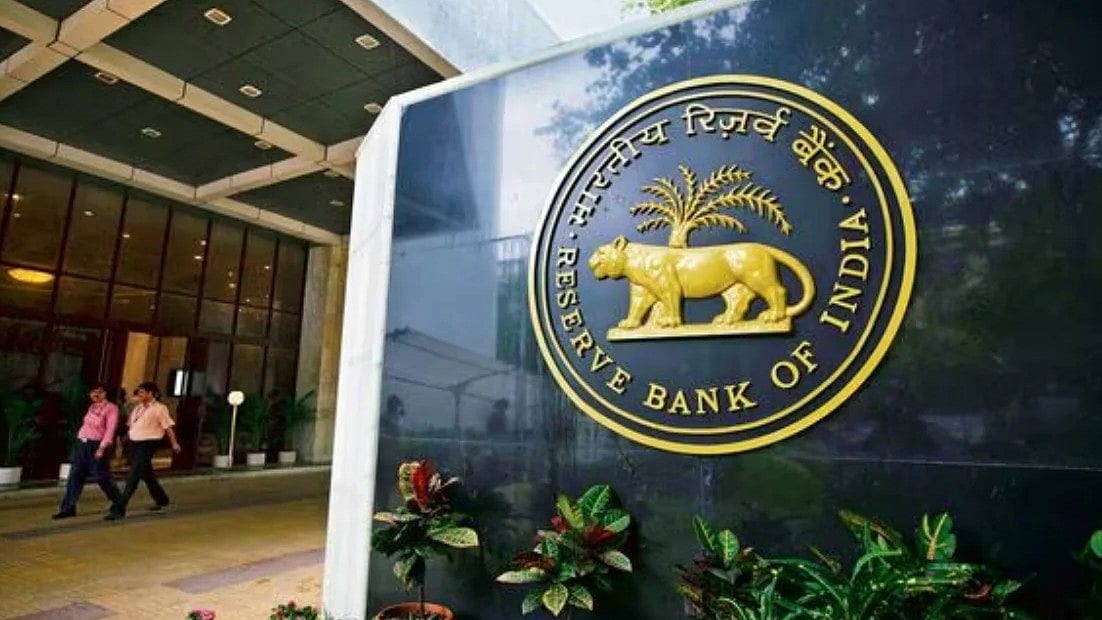
RBI Flags Monetary Policy and Capital Flow Concerns
Malhotra said the debate around crypto assets is linked to the concept of the "singleness of money" and the potential impact of alternative forms of money on monetary policy.
He said the primary problem cryptocurrencies are expected to address is not domestic payments. Payments within India and several other countries have become relatively fast, inexpensive and convenient.
The greater challenge, according to Malhotra, lies in cross-border payments. He said alternative solutions could be explored in this area, including central bank digital currencies (CBDCs).
India's cautious approach towards crypto assets therefore exists alongside efforts to develop technologies that could improve financial systems without creating similar monetary and financial risks.
Global Bond Yields Also a Concern
Malhotra also commented on the increase in global public debt and rising bond yields. He attributed the movement in yields largely to demand and supply conditions, noting that both government and private-sector spending have increased.
He said spending linked to artificial intelligence (AI) has also contributed to higher demand for funds.
"Money is scarce, spending has increased," Malhotra said, pointing to higher expenditure by governments and private companies as a factor behind rising bond yields and debt levels.
The RBI's monetary policy, he said, remains primarily focused on India's domestic growth and inflation conditions. However, developments in global interest rates also matter because they can affect real interest rates in India.
Malhotra said the RBI therefore needs to remain attentive to international interest-rate movements while framing monetary policy for domestic economic conditions.

