Mumbai: The Reserve Bank of India (RBI) has taken a cautious but balanced approach in its latest Monetary Policy Committee (MPC) meeting held on April 8, 2026, as it tries to support growth while keeping risks under control. The central bank has decided to keep the repo rate unchanged at 5.25 percent and continue with a neutral policy stance, signalling that it is watching both growth and inflation closely.
India’s economy showed strong performance in FY26, with real GDP growth estimated at 7.6 percent. This growth was mainly driven by strong consumer demand, higher investment, and steady expansion in the manufacturing sector. However, the RBI expects some moderation ahead and has projected GDP growth at 6.9 percent for FY27. The quarterly estimates show a gradual rise, with growth at 6.8 percent in the first quarter, 6.7 percent in the second, 7.0 percent in the third, and 7.2 percent in the fourth quarter.
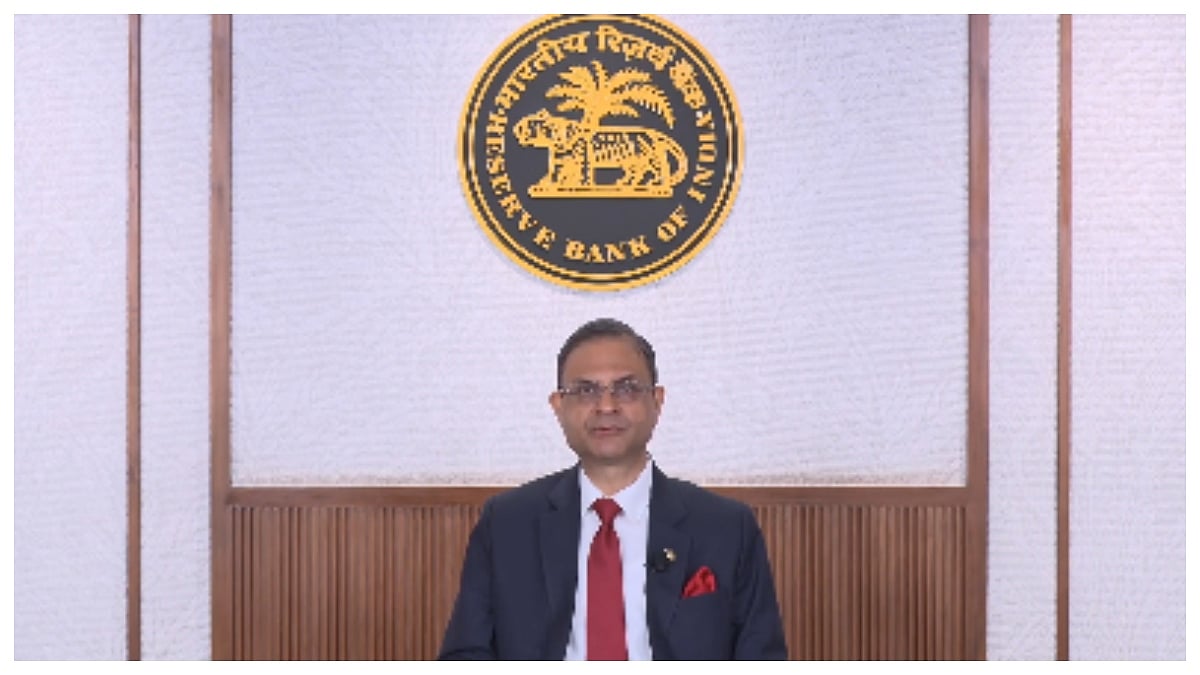
The central bank said that services, infrastructure spending, and improving private investment will continue to support growth. At the same time, it highlighted major risks coming from global developments. The ongoing tensions in West Asia, especially involving Iran and Israel, could disrupt supply chains and push up energy prices. RBI warned that such a situation could first create supply-side problems and later affect demand as well.
Commenting on the policy, P D Singh, CEO, India & South Asia, Standard Chartered Bank, said that despite a ceasefire, risks from the West Asia crisis and its impact on the global economy have led the RBI to keep rates unchanged. He noted the growth forecast cut to 6.9 percent with downside risks, but added that India’s strong structural reforms and business-friendly measures will help the economy navigate uncertainties.
On the liquidity front, the RBI has assured that it will provide enough funds in the banking system to support lending and keep markets stable. Despite some fluctuations due to foreign capital flows, the central bank has already taken strong steps by injecting around ₹2.9 lakh crore into the system through tools like Open Market Operations and foreign exchange swaps.
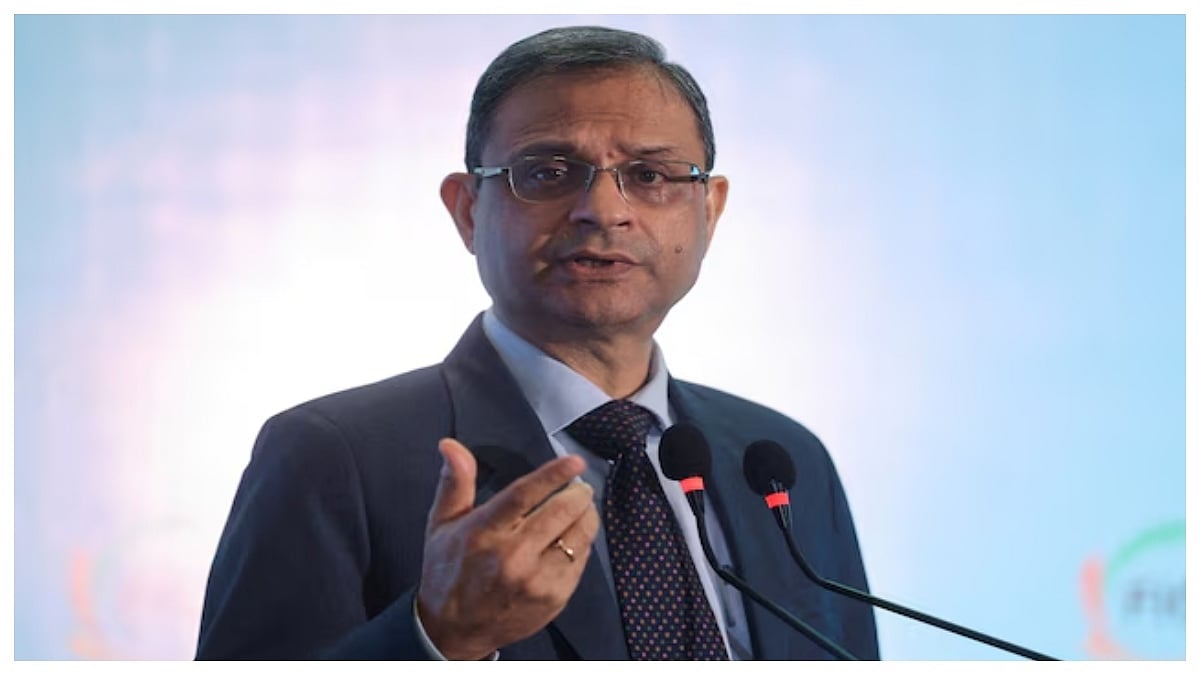
Even with temporary tightening, the overall liquidity situation remains comfortable, with an average daily surplus of about ₹2.3 trillion. The RBI plans to maintain this surplus so that banks can continue lending smoothly to businesses and consumers.
In addition, the central bank has taken steps to improve liquidity further by allowing non-bank players to participate in the term money market and increasing borrowing limits for primary dealers. These moves are expected to make the financial system more flexible and efficient.
Inflation is projected at 4.6 percent for FY27, but the RBI cautioned that risks remain on the upside due to global uncertainties. Overall, the policy reflects a careful balance between supporting growth and preparing for possible external shocks, ensuring that the economy remains stable in a challenging global environment.

