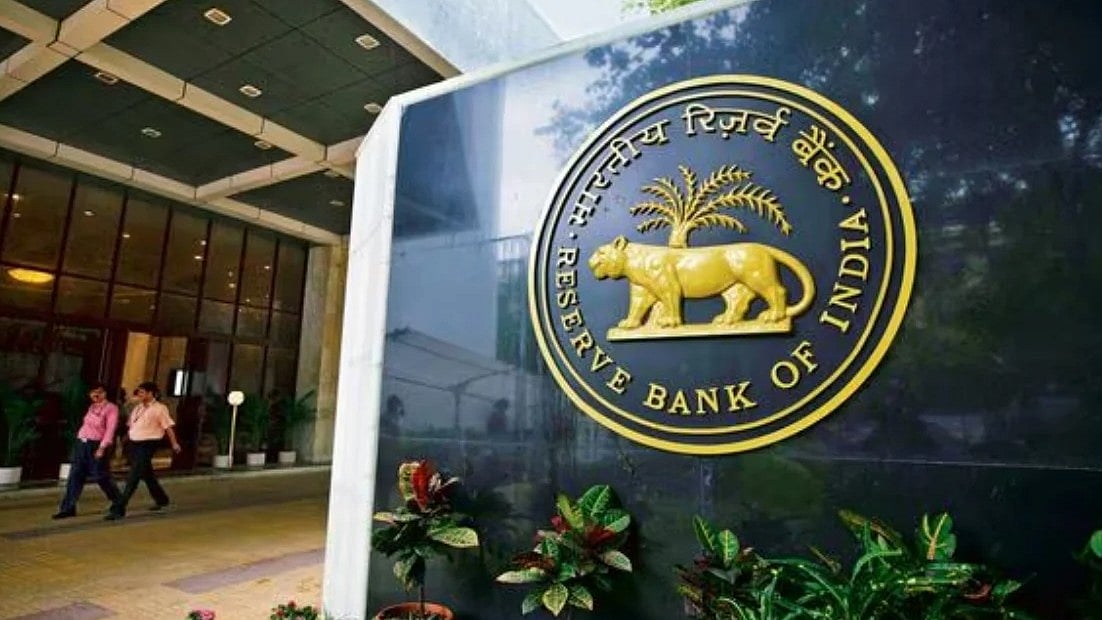
The Reserve Bank of India has transferred a record dividend of Rs 2.87 lakh crore to the government for FY26.
“The Central Board approved the transfer of surplus of Rs 2,86,588.46 crore to the Central Government for the accounting year 2025-26,” the RBI said in a statement.
The decision was taken in a meeting of the Central Board of Directors of the RBI today.
This is the highest dividend given by the central bank to the government in any year. It had paid a record dividend of Rs 2.69 lakh crore for FY25. This was about 27 percent higher than the previous year’s payout of Rs 2.11 lakh crore.
The gross income of the RBI increased by 26.42 percent over the previous year, while expenditure before risk provisions increased by 27.6 percent.
The Centre had expected Rs 3.16 lakh crore in dividends and surpluses from the Reserve Bank of India, nationalised banks, and financial institutions in 2026-27, the government had said in the Budget documents.
The RBI board meeting also reviewed the global and domestic economic scenario, including risks to the outlook.
While the government is facing an unprecedented fiscal crisis due to the ongoing conflict in West Asia, the RBI’s record dividend may bring some relief.
A higher dividend is expected to help the government deal with the fiscal crisis caused by the ongoing conflict in the Gulf region.
The government has already announced various measures to limit imports amid rising costs of crude oil, fertilisers, and several other commodities.
Most recently, the Centre raised import duties on gold, silver, and other precious metals. The total import tax on gold has been increased to 15 percent from 6 percent earlier.
According to some reports, the government is also looking to ease the Foreign Exchange Management Act to attract foreign investment into the country amid record foreign portfolio investor (FPI) selling.
All these efforts are a result of the continuing conflict in the Gulf region, which has increased inflationary pressure on the economy.

